
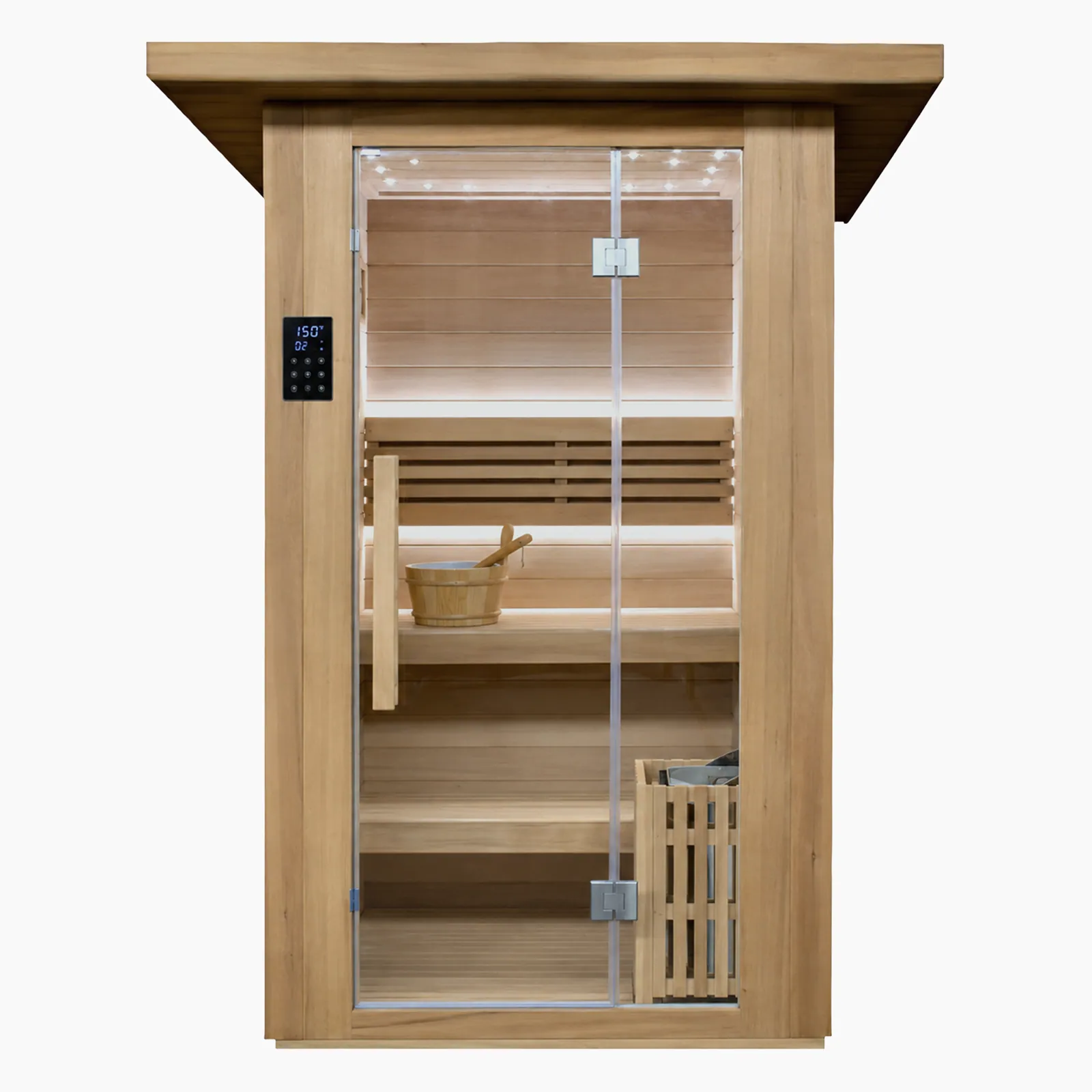
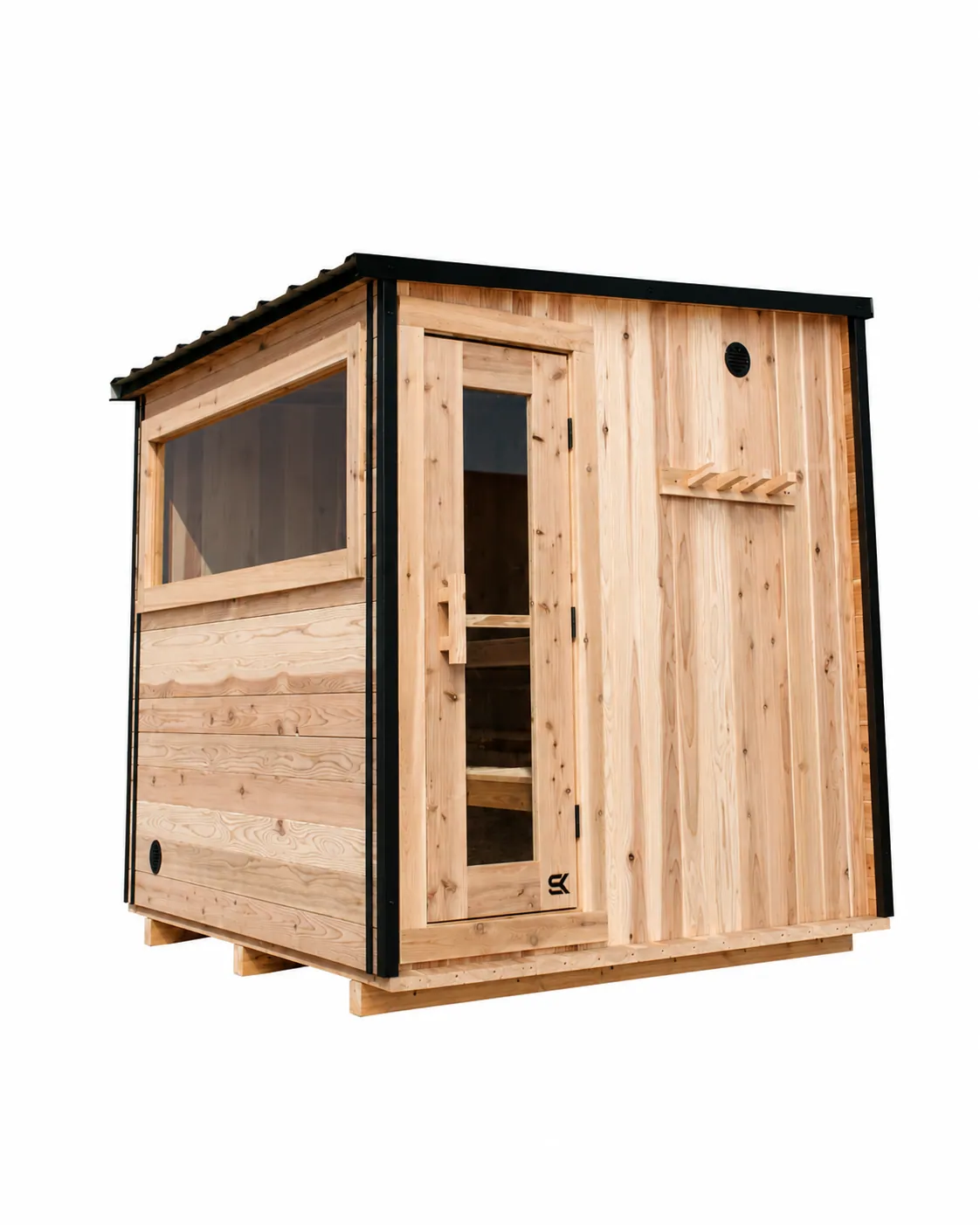
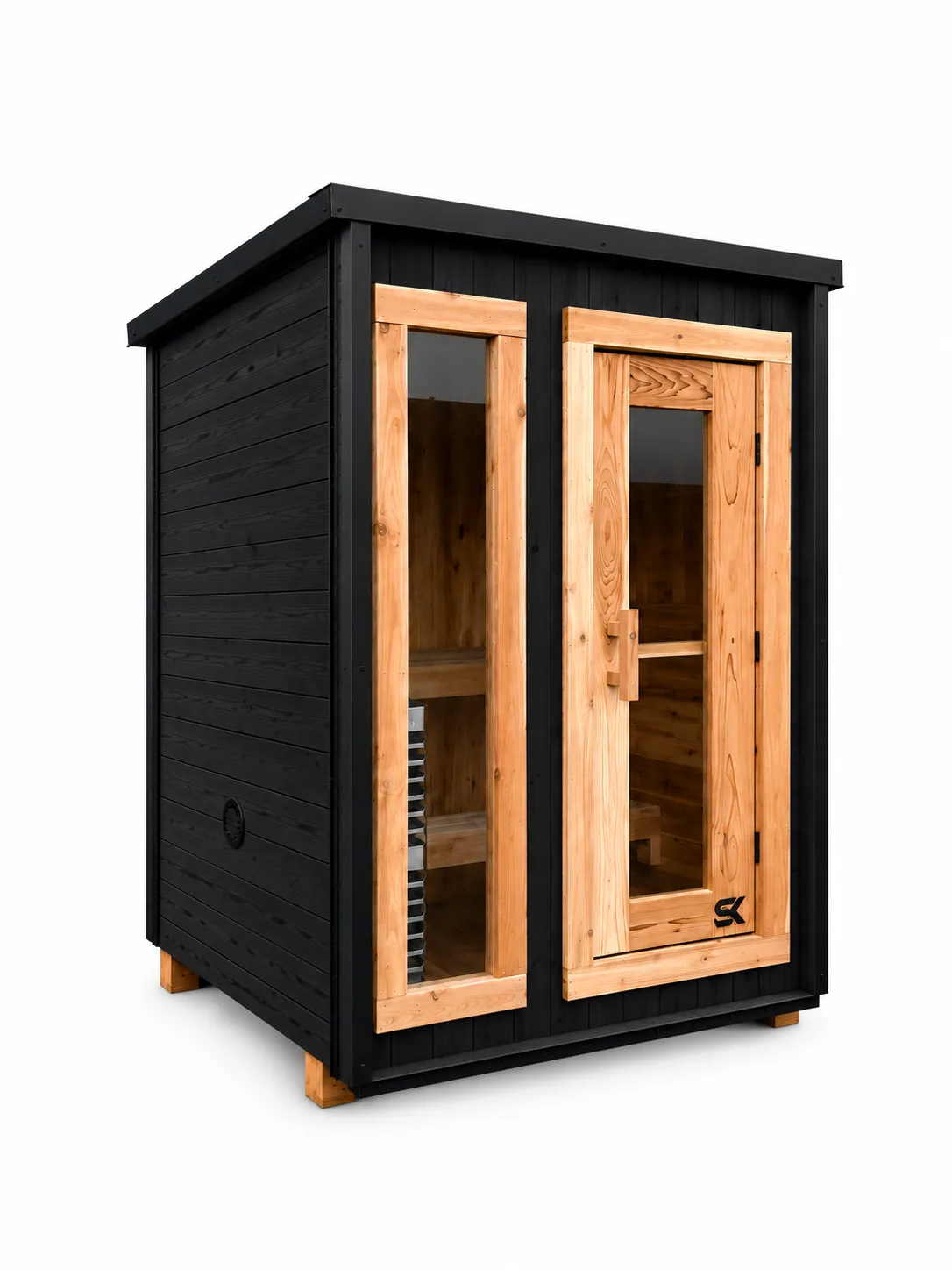
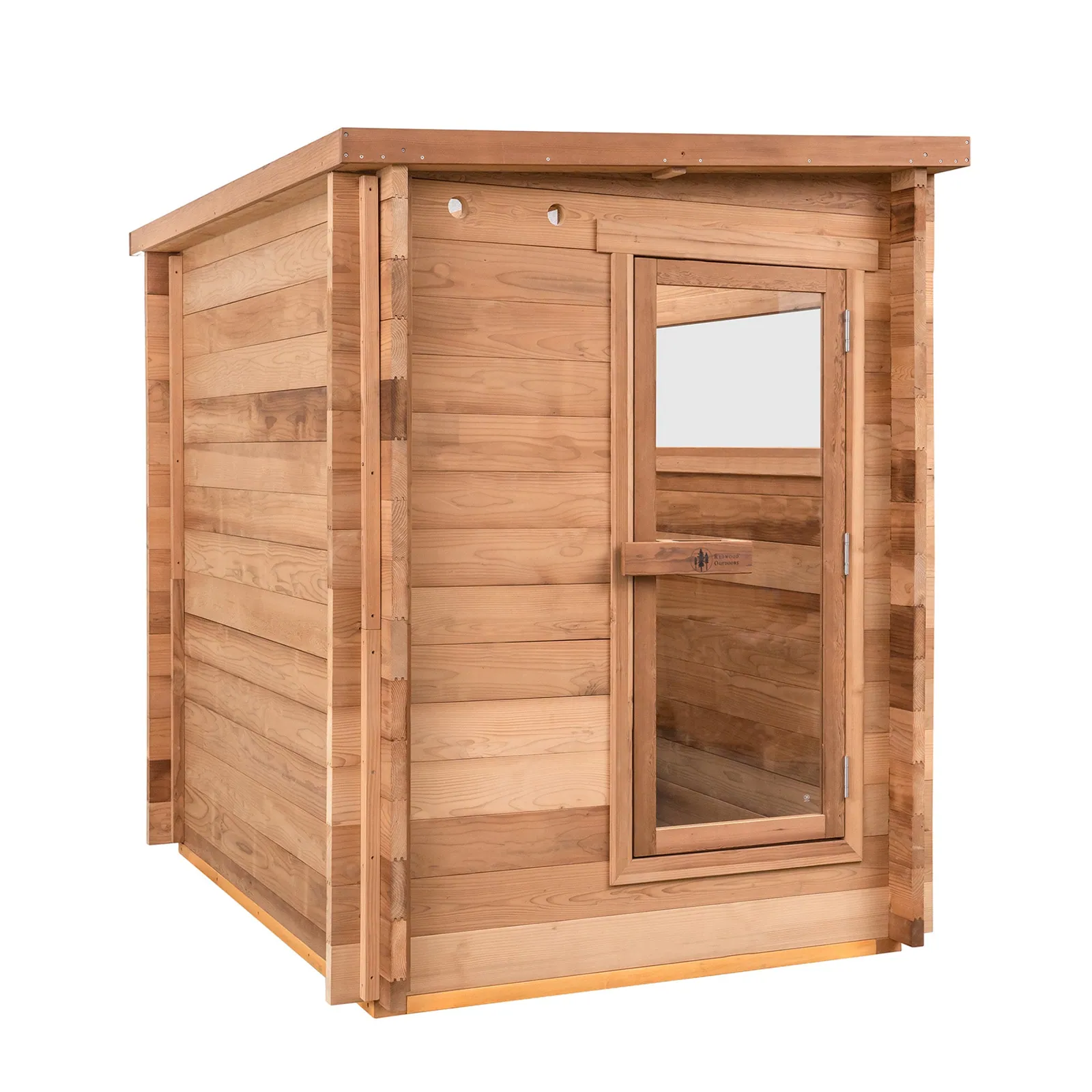
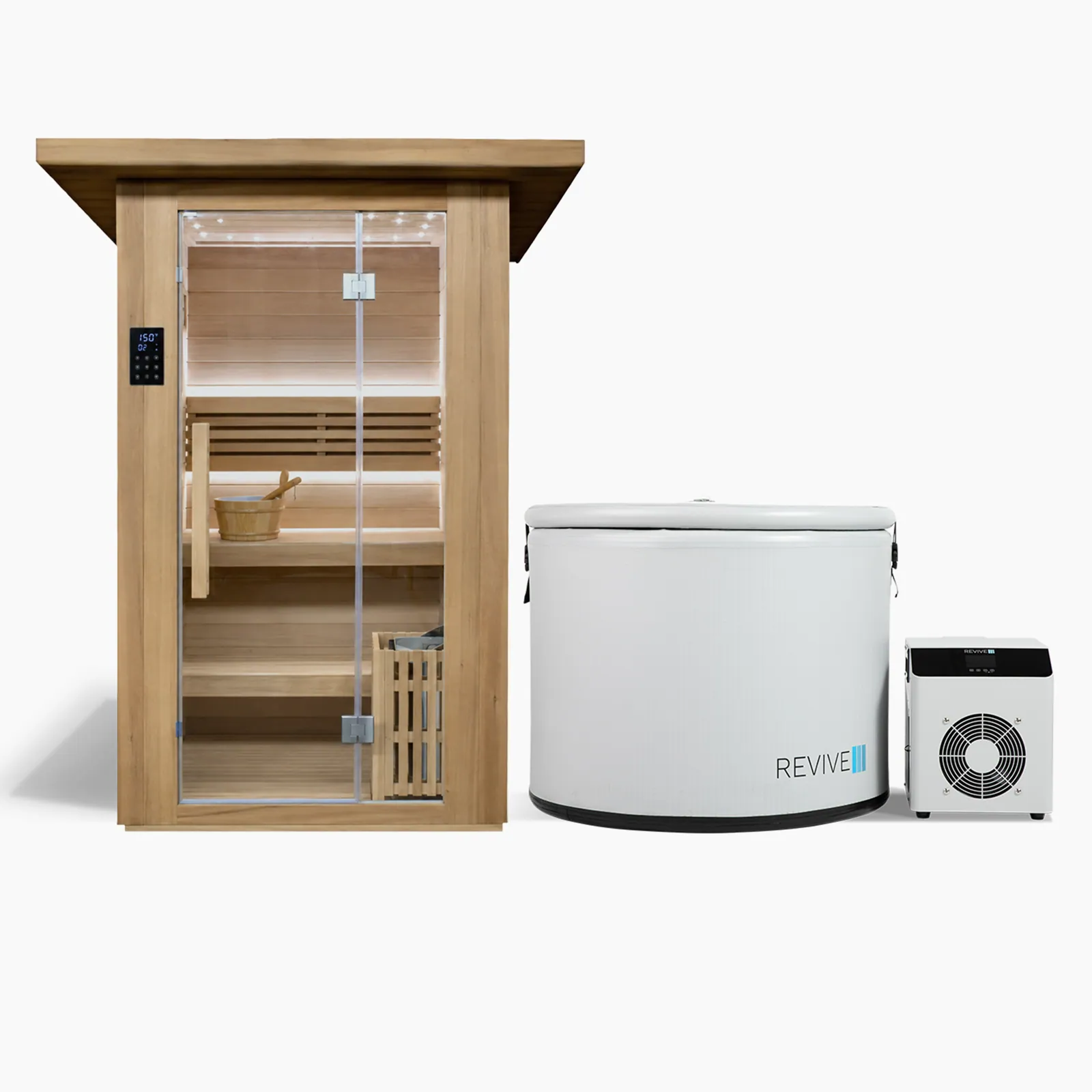
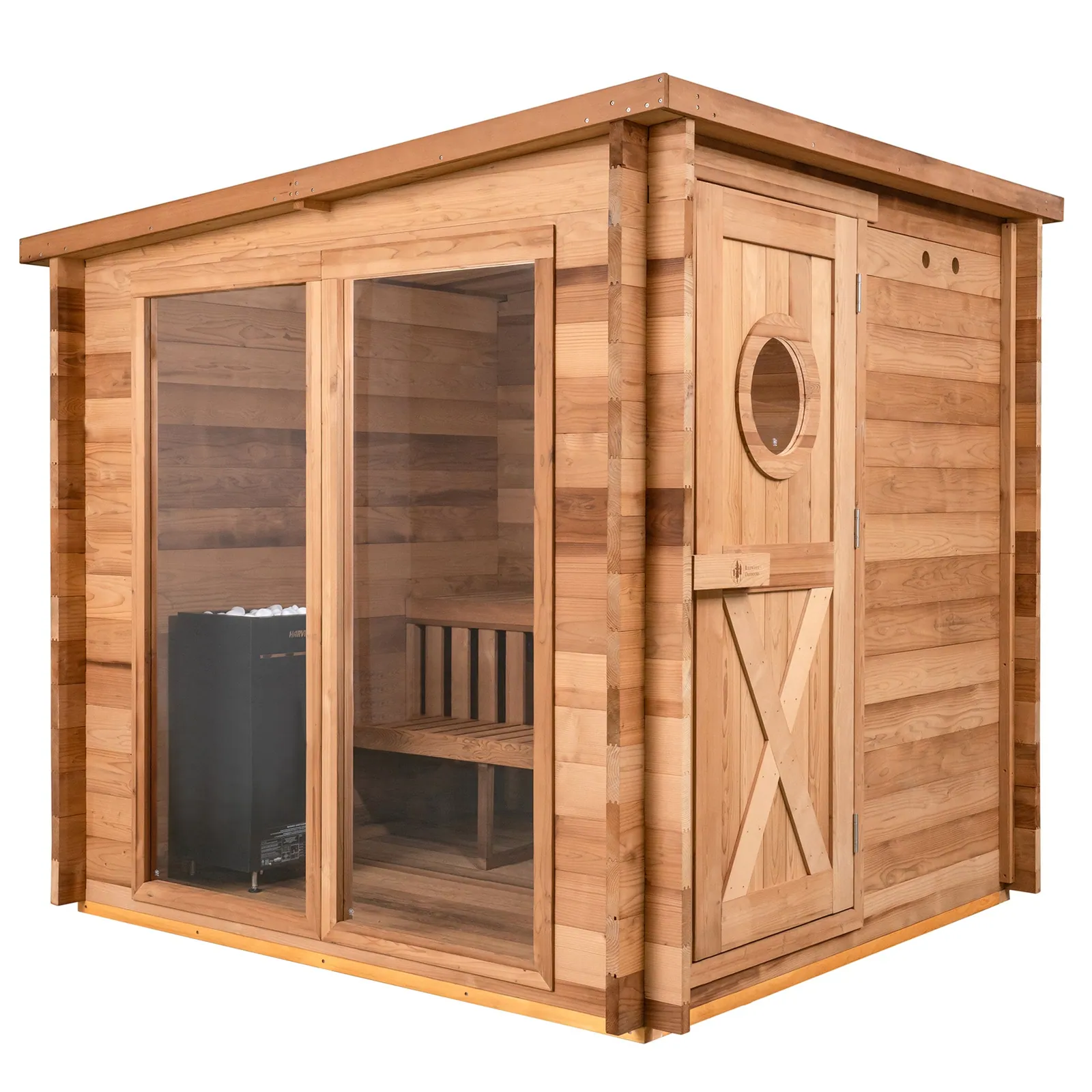
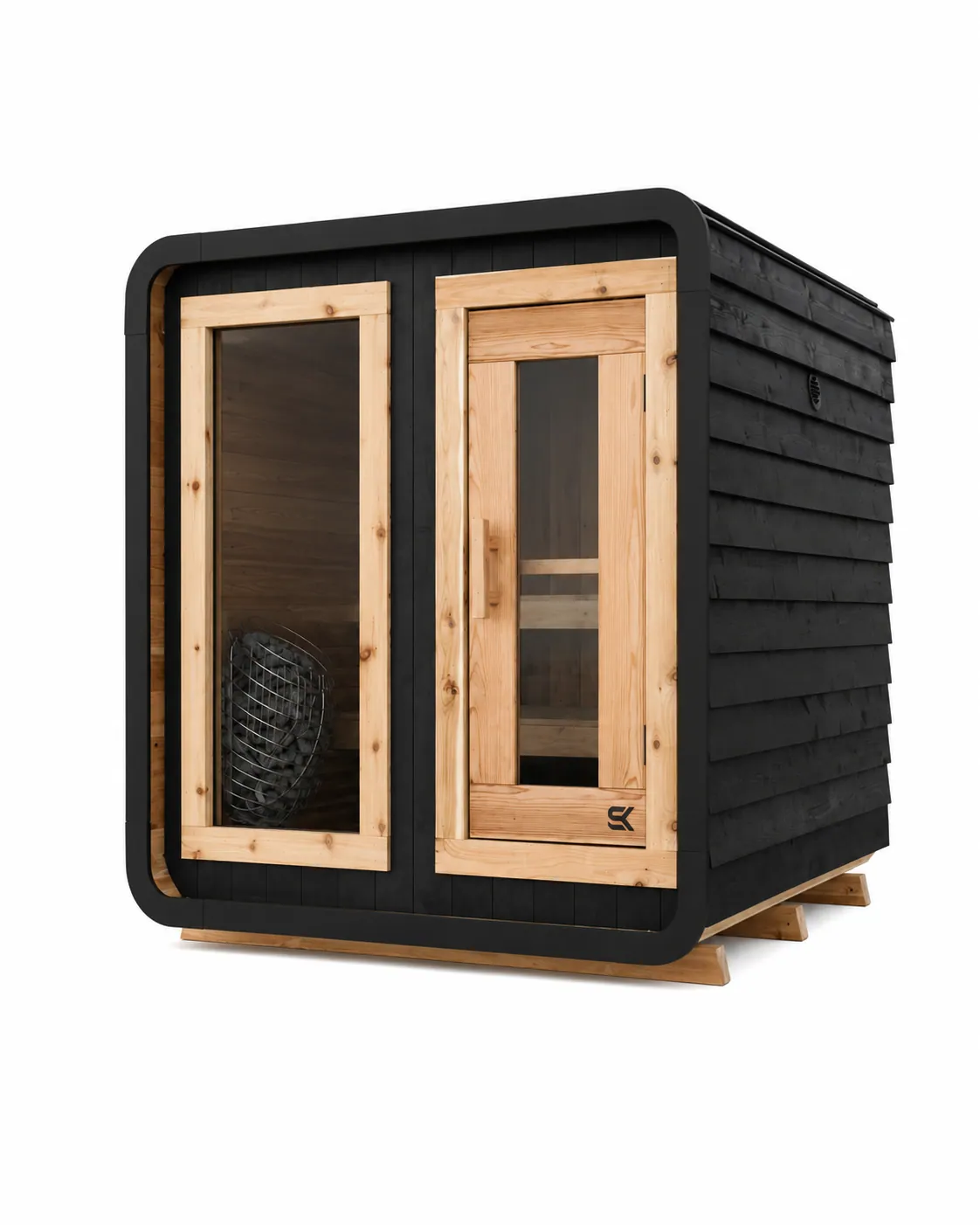
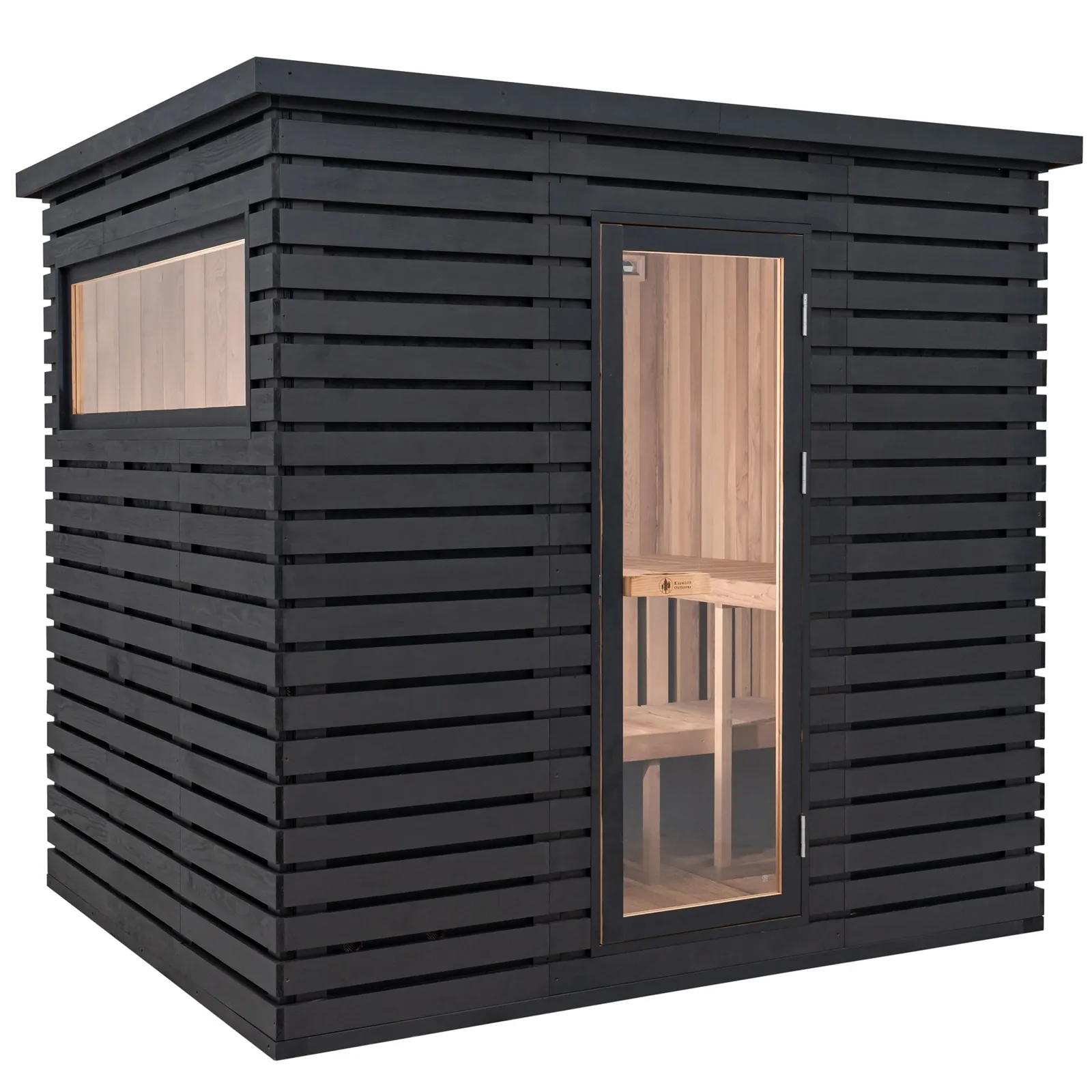
Saunas at a glance
Live from our catalog of 162 models from 23 makers. Prices are each maker's starting price for the base option, as last checked on the maker's site.
| Type | Models | Lowest | Median | Highest |
|---|---|---|---|---|
| Infrared sauna | 14 | $1,495 | $6,000 | $8,999 |
| Indoor sauna | 27 | $3,795 | $6,099 | $16,341 |
| Outdoor cube sauna | 17 | $3,950 | $10,500 | $26,950 |
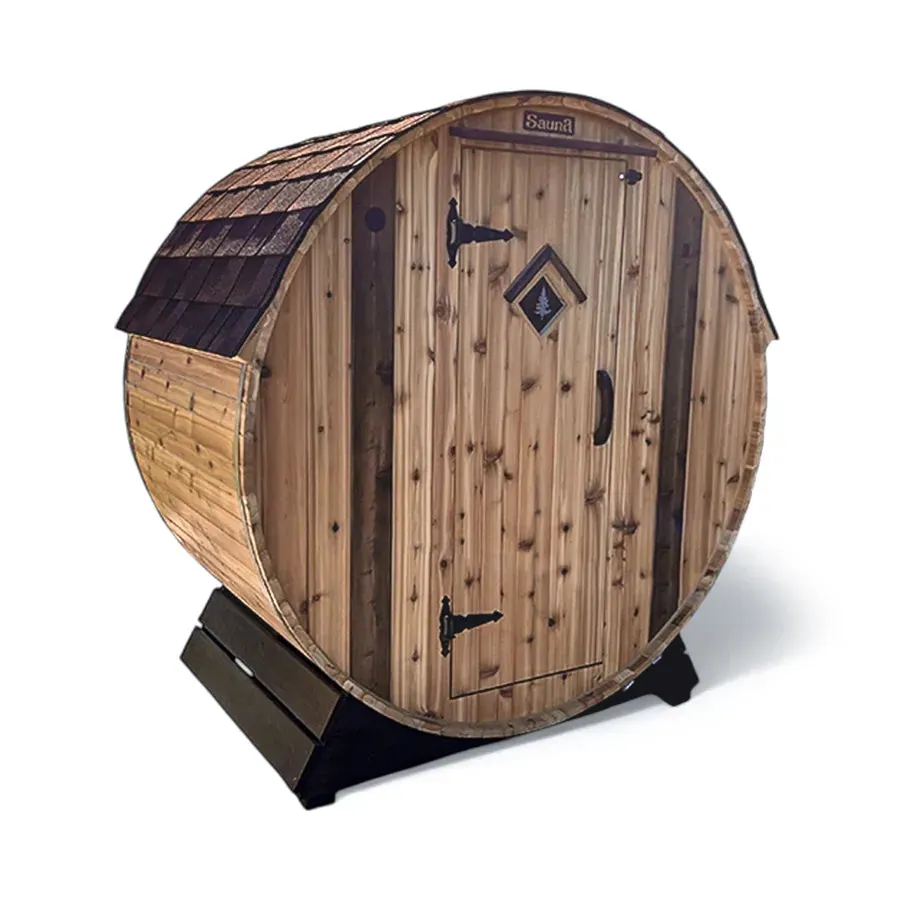
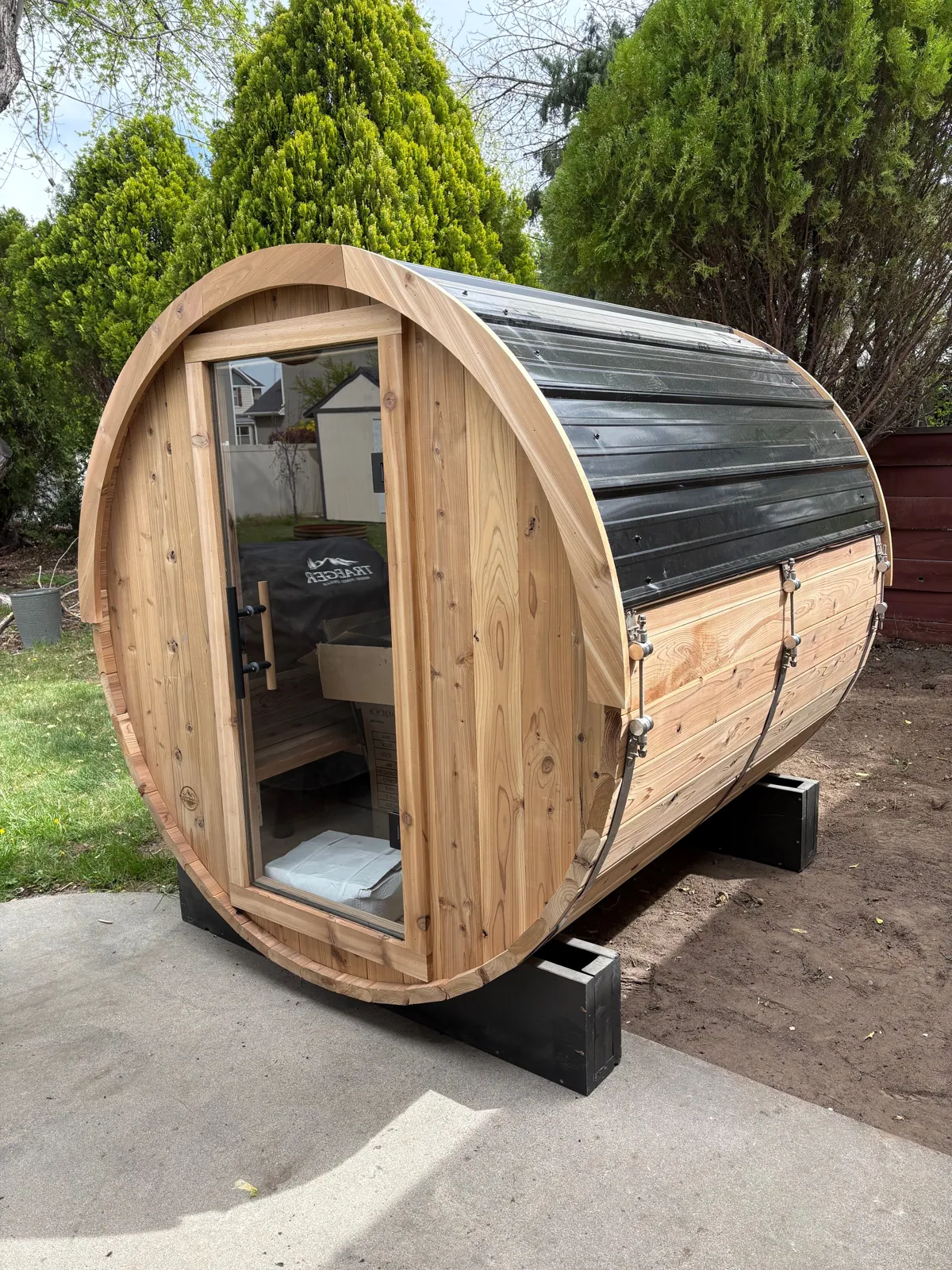
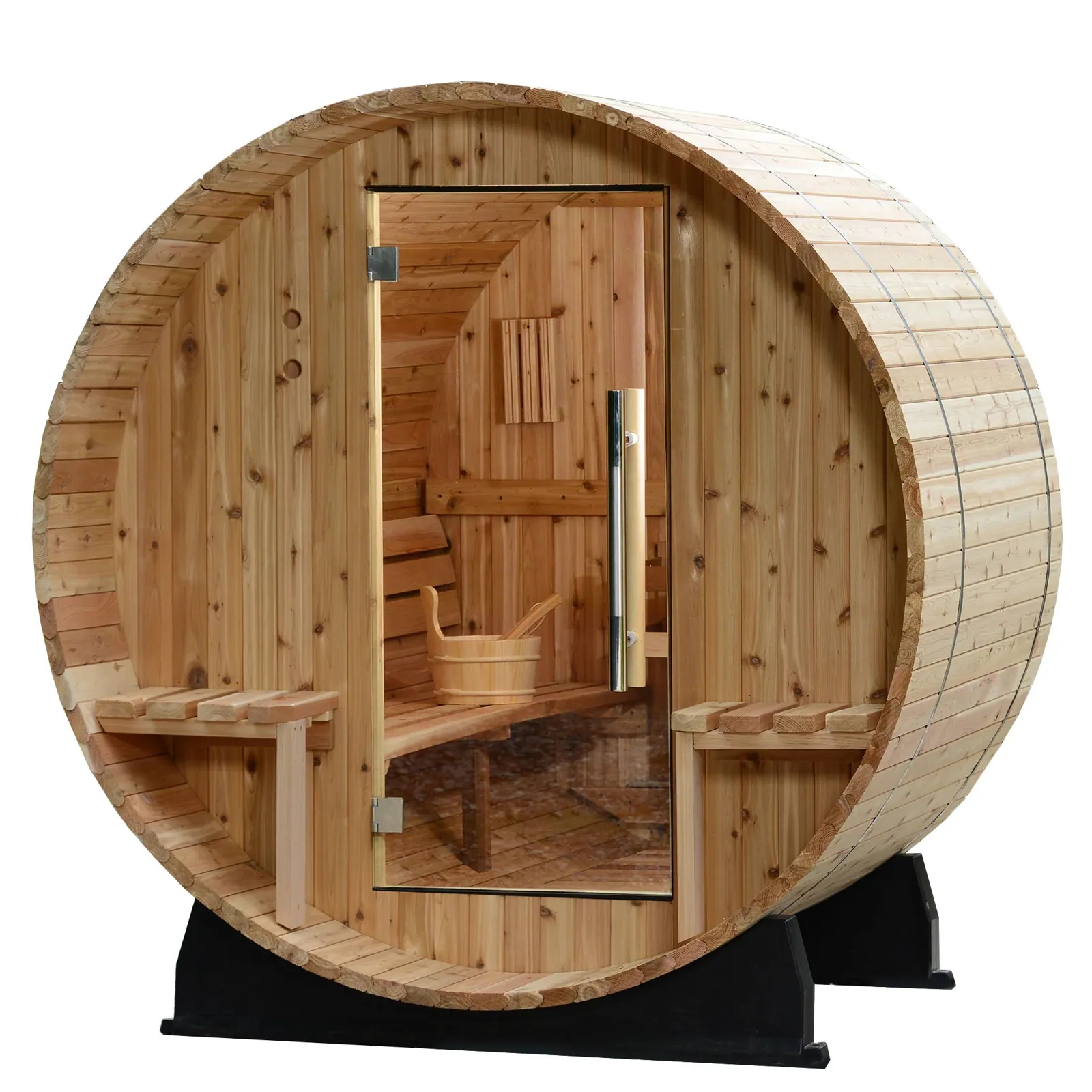
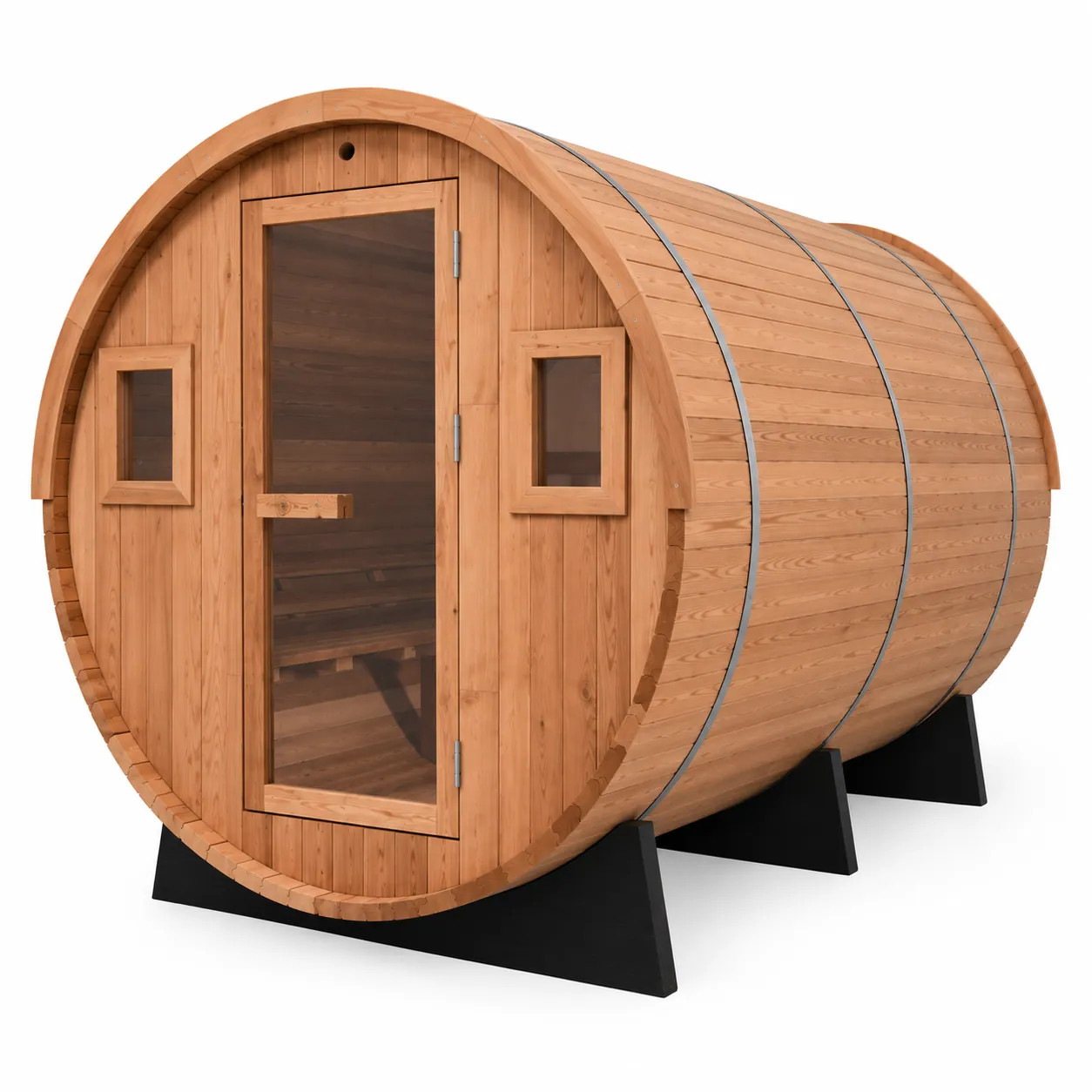
| Outdoor barrel sauna | 59 | $4,450 | $8,548 | $18,900 |
| Outdoor cabin sauna | 45 | $5,545 | $13,995 | $54,999 |
Makers in this category
| Maker | Based in | Models | From | Products with maker-stated Made in USA |
|---|---|---|---|---|
| Almost Heaven | Renick, West Virginia | 47 | $4,172 | 0 |
| Redwood Outdoors | Kent, Washington | 14 | $4,299 | 0 |
| Renu Therapy | Southern California | 11 | $5,739 | 4 |
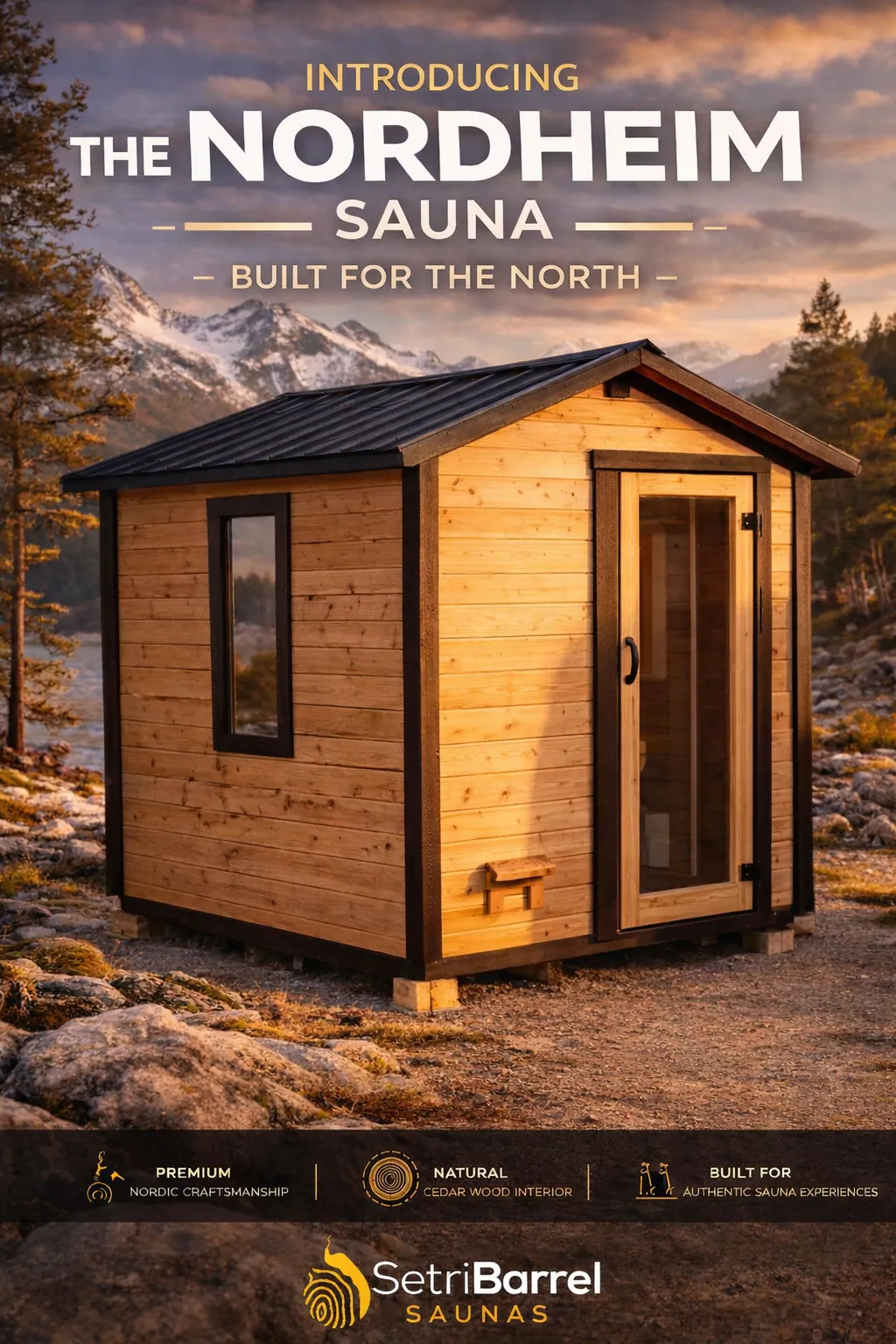
| Setri Barrel Saunas | Grand Rapids, Minnesota | 10 | $6,500 | 0 |
| Blazin Saunas | Idaho Falls, Idaho | 9 | $3,795 | 0 |
| Sweat Kingdom | Idaho Falls, Idaho | 9 | $5,145 | 0 |
| Revive Plunge | United States | 7 | $6,499 | 0 |
| Ember Saunas | Bend, Oregon | 6 | $7,150 | 0 |
| Superior Saunas | Ashland, Wisconsin | 6 | $9,600 | 0 |
| SaunaSpace | Columbia, Missouri | 4 | $1,495 | 0 |
| Viking Sauna Co | Boise, Idaho | 4 | $3,950 | 0 |
| Icebound Essentials | Austin, Texas | 4 | $5,490 | 0 |
| Woodland Sauna | Kidron, Ohio | 4 | $5,490 | 0 |
| Plunge | United States | 4 | $7,690 | 0 |
| Dominion Wellness | Malcolm, Nebraska | 4 | $11,995 | 0 |
| Ridgeline Sauna | Granby, Colorado | 4 | $40,700 | 0 |
| TheraSauna | Iowa | 3 | $3,832 | 0 |
| Ice Barrel | Colorado | 3 | $5,999 | 0 |
| Vim | United States | 3 | $26,950 | 0 |
| Satori Cedar Spas | St. Louis, Missouri | 2 | $9,500 | 0 |
| NW Immersion | Vancouver, Washington | 2 | $34,990 | 0 |
| Sun Home Saunas | San Diego, California | 1 | $11,999 | 0 |
| SISU Sauna Co. | Ohio | 1 | $13,995 | 0 |
Barrel, cube, cabin, indoor or infrared: how the shapes differ
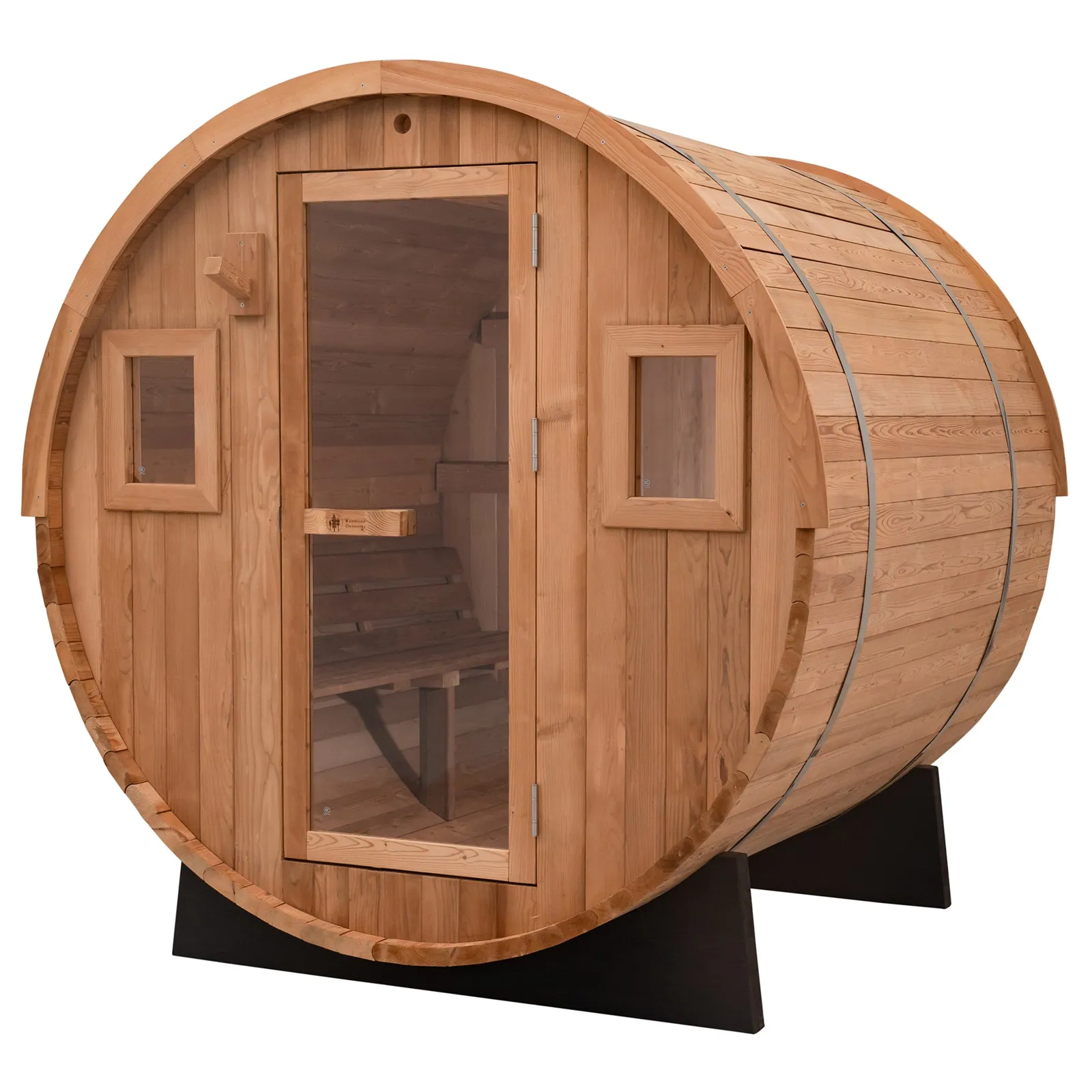
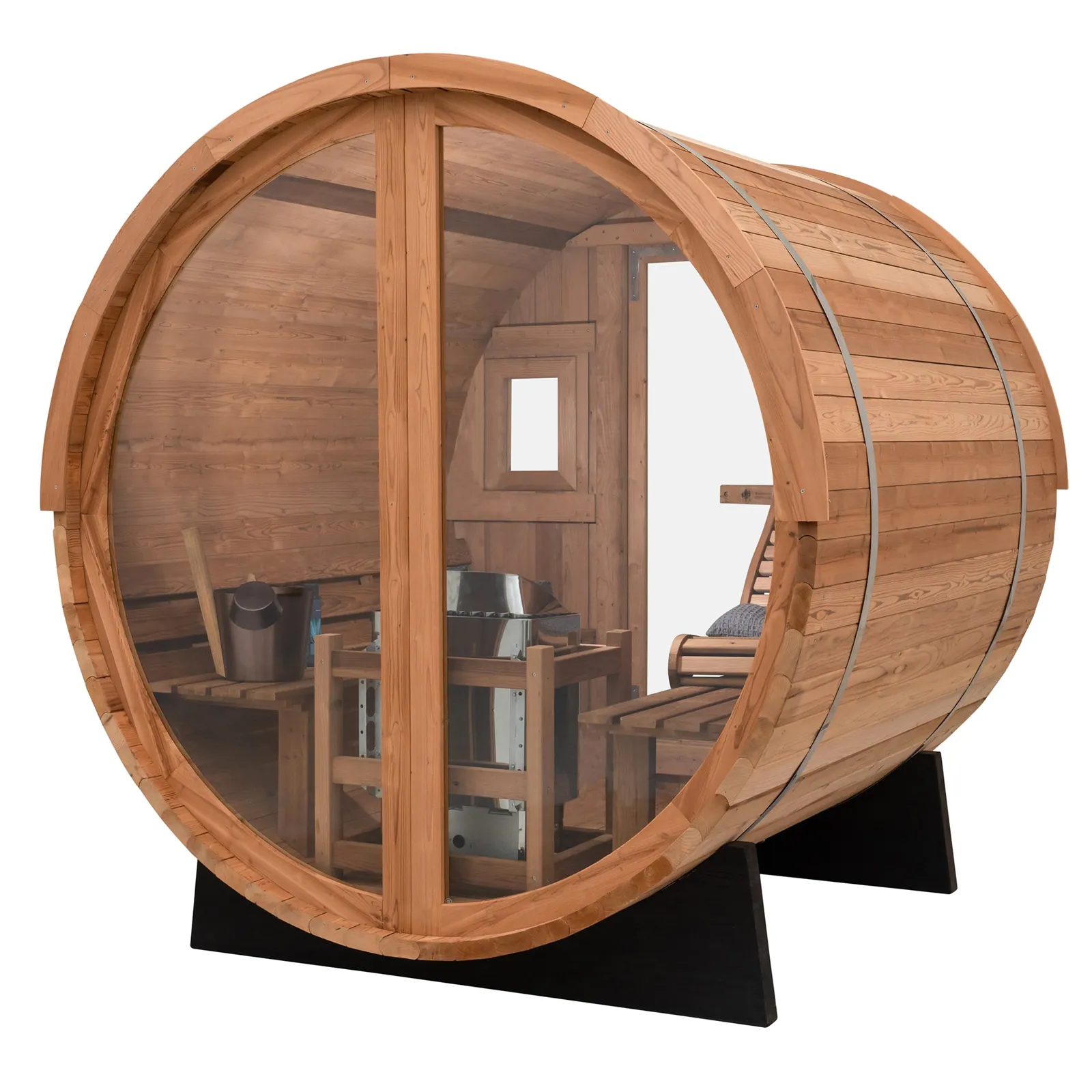
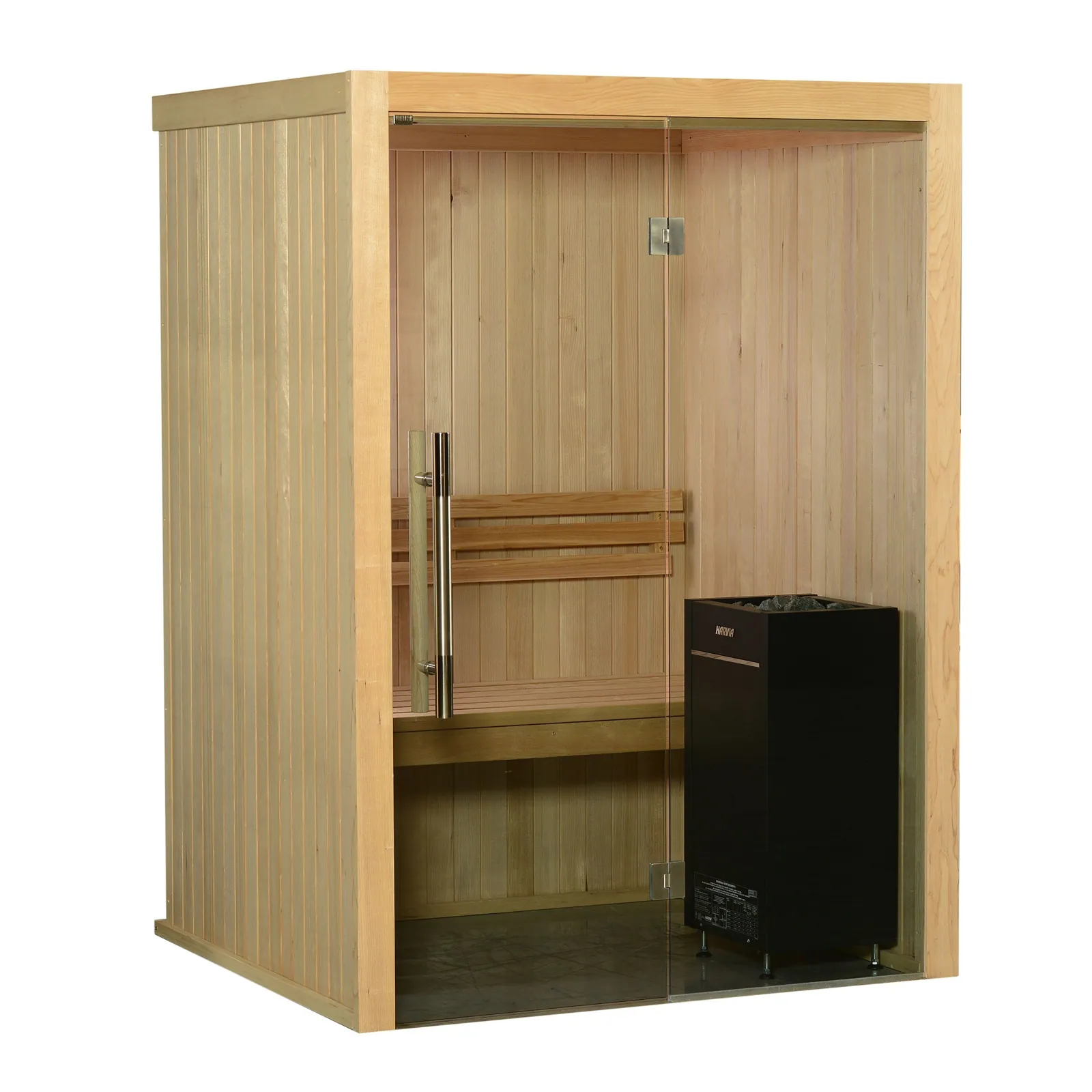
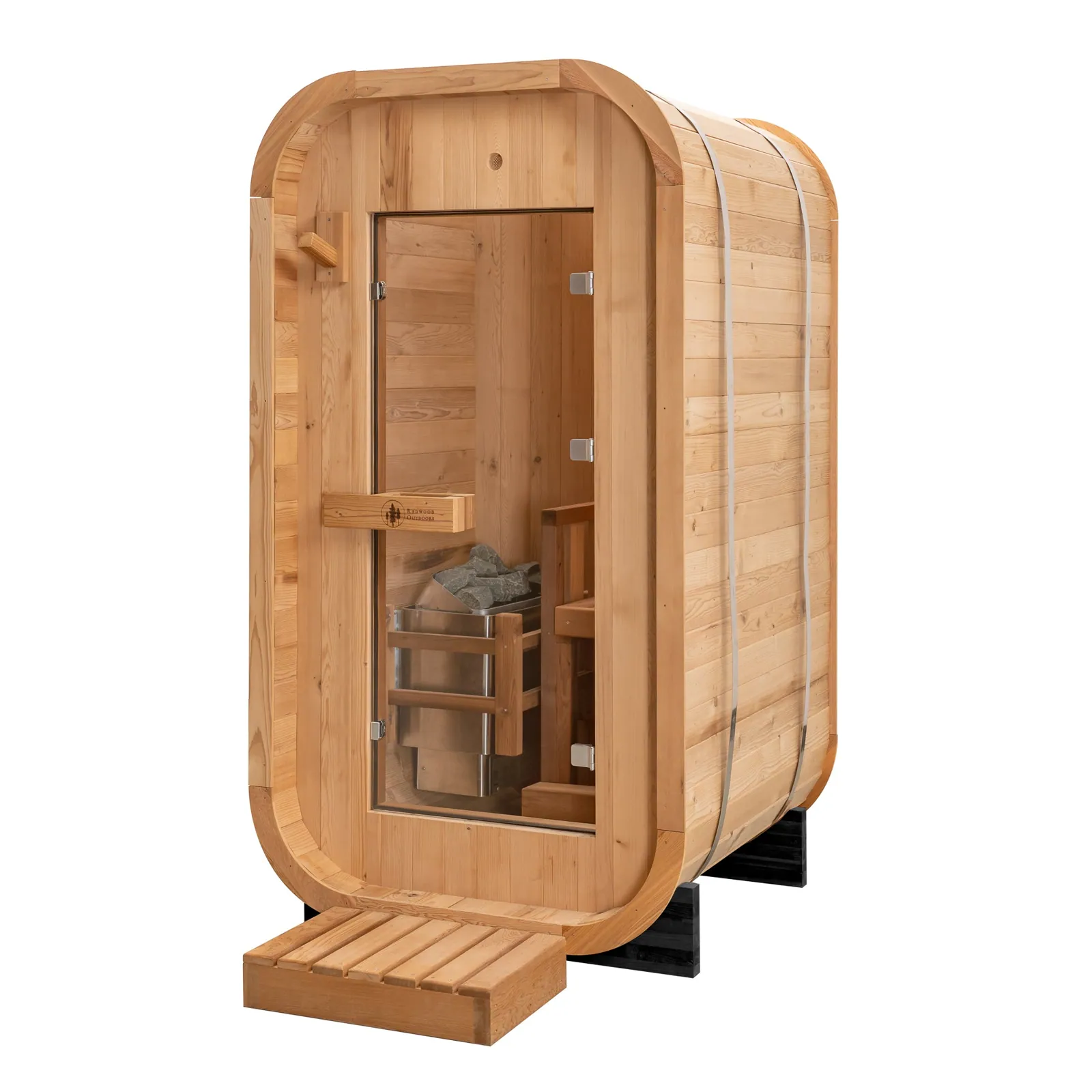
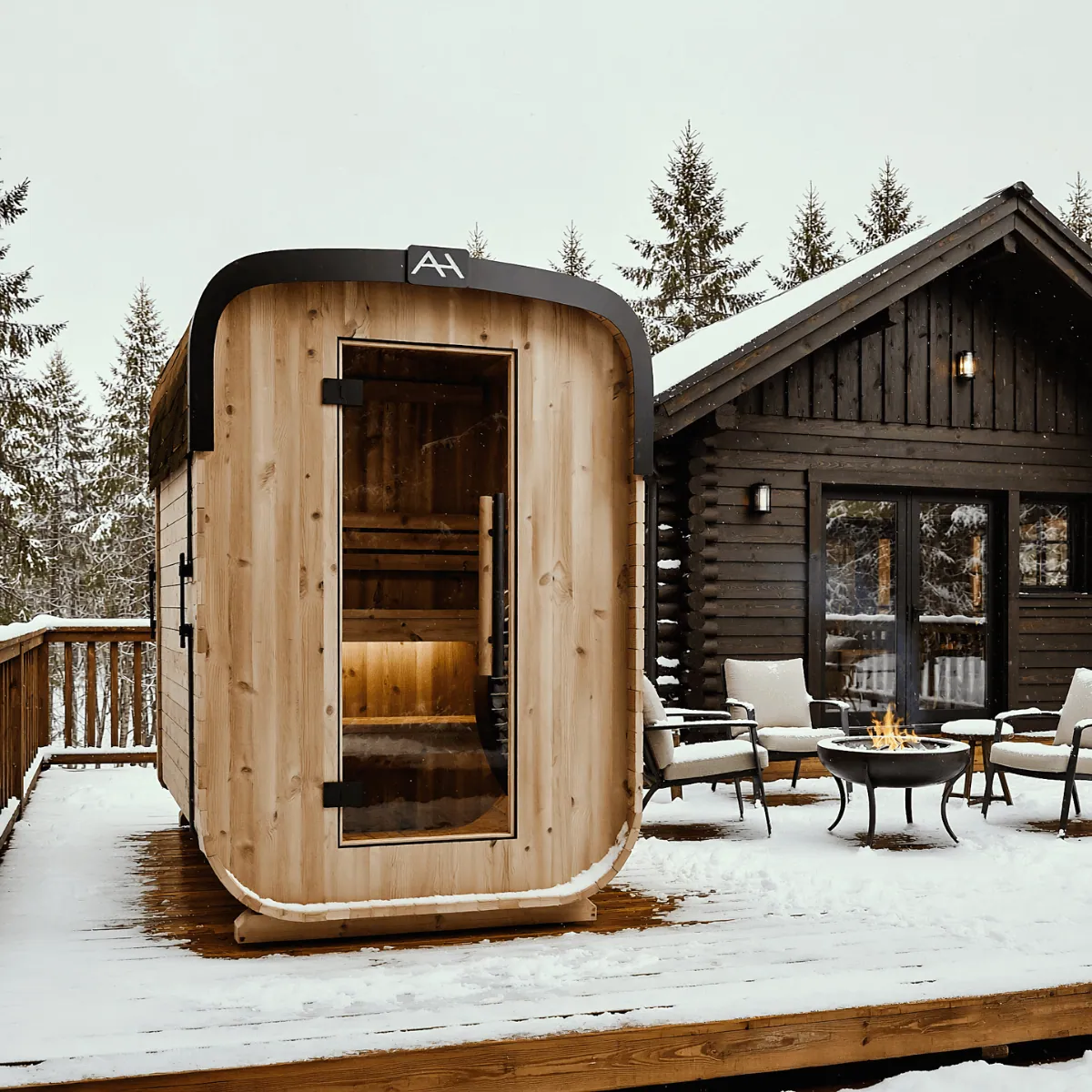
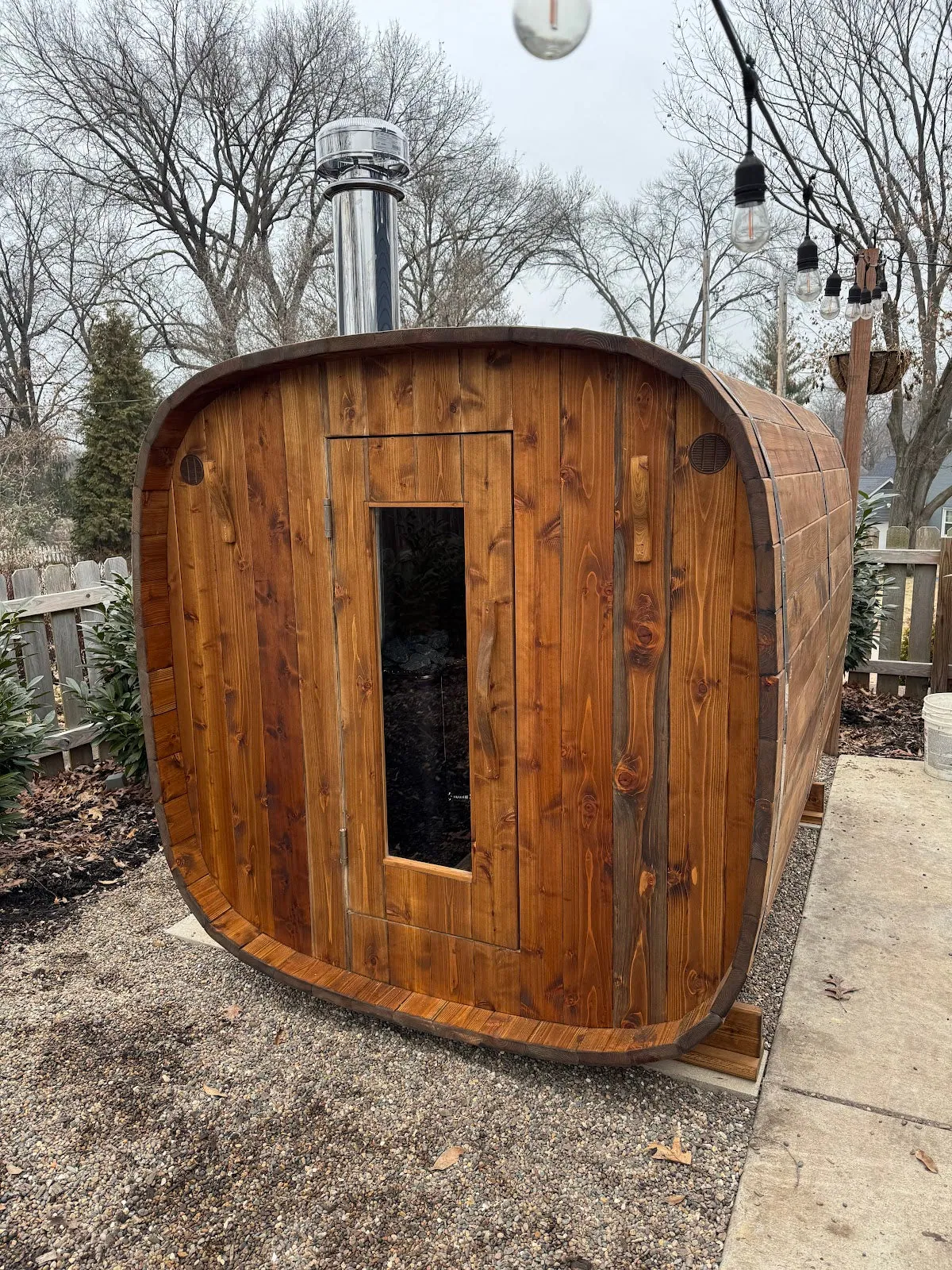
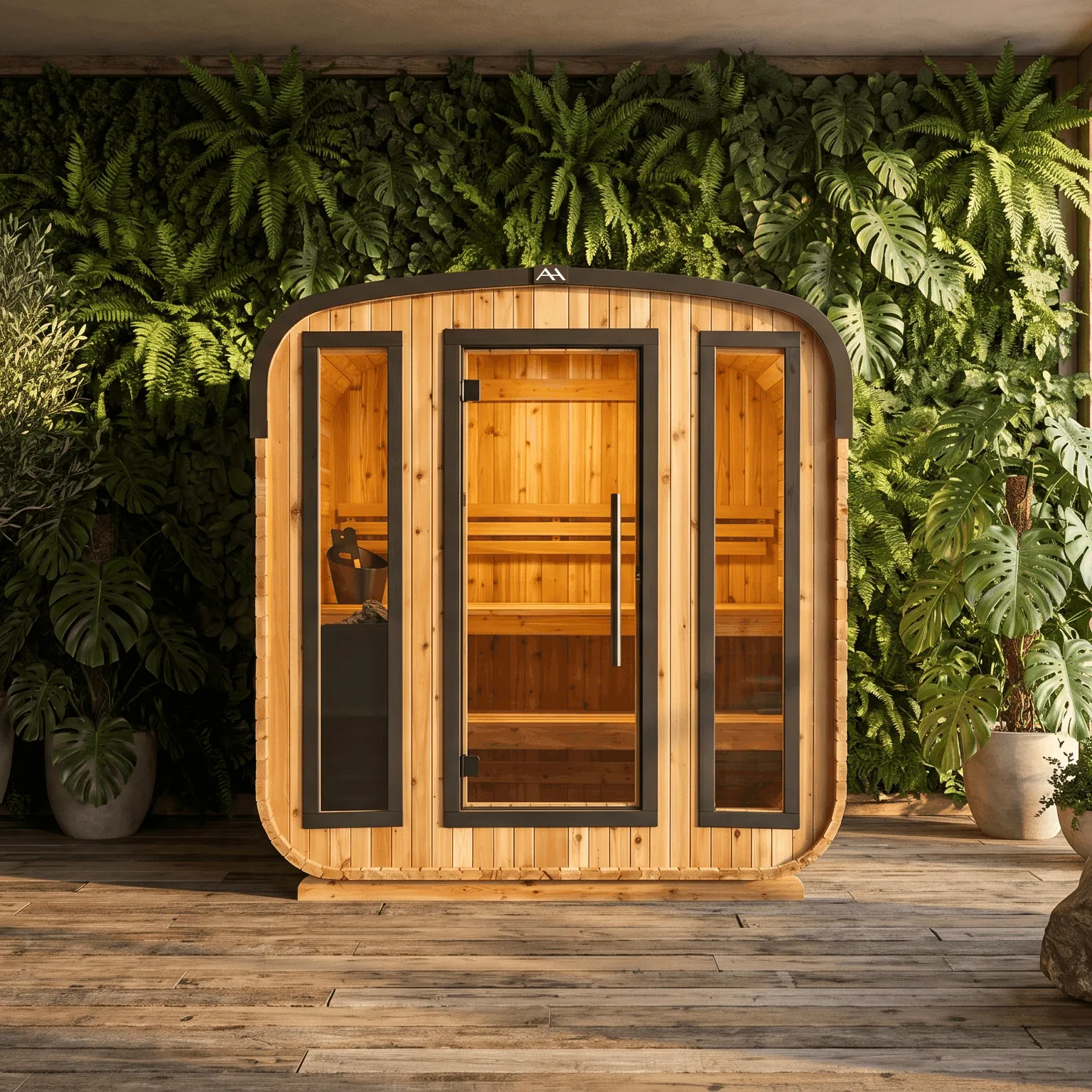
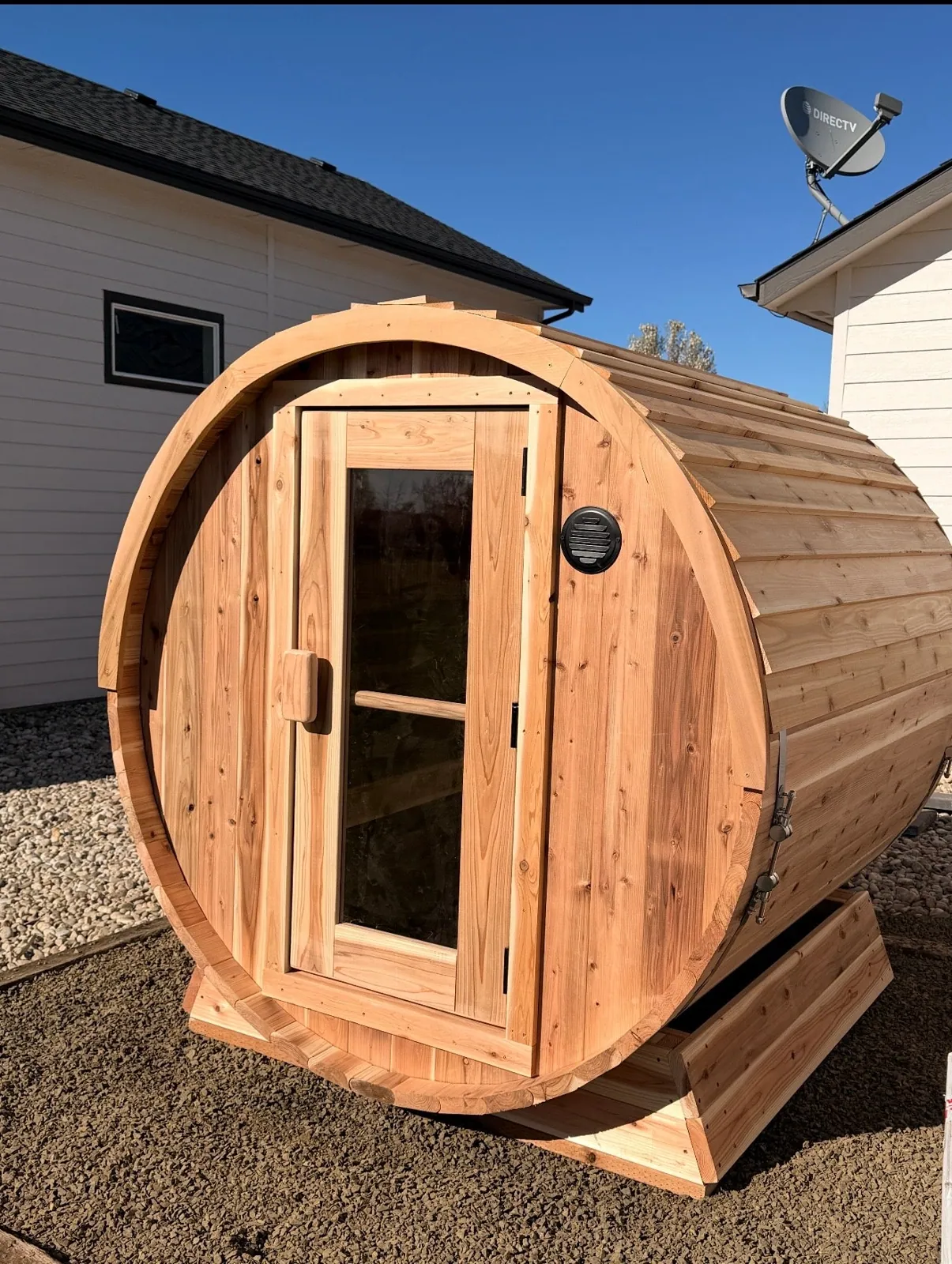
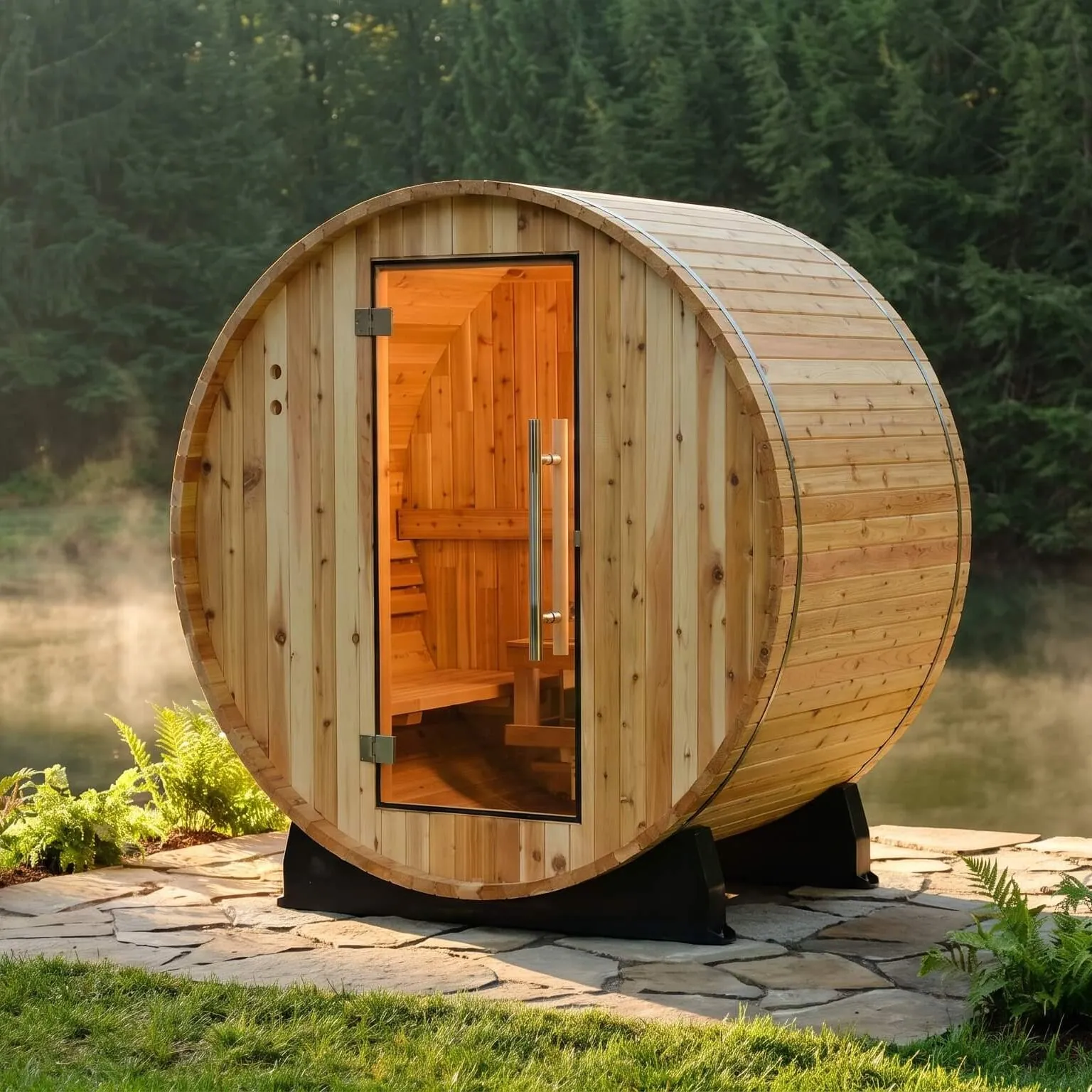
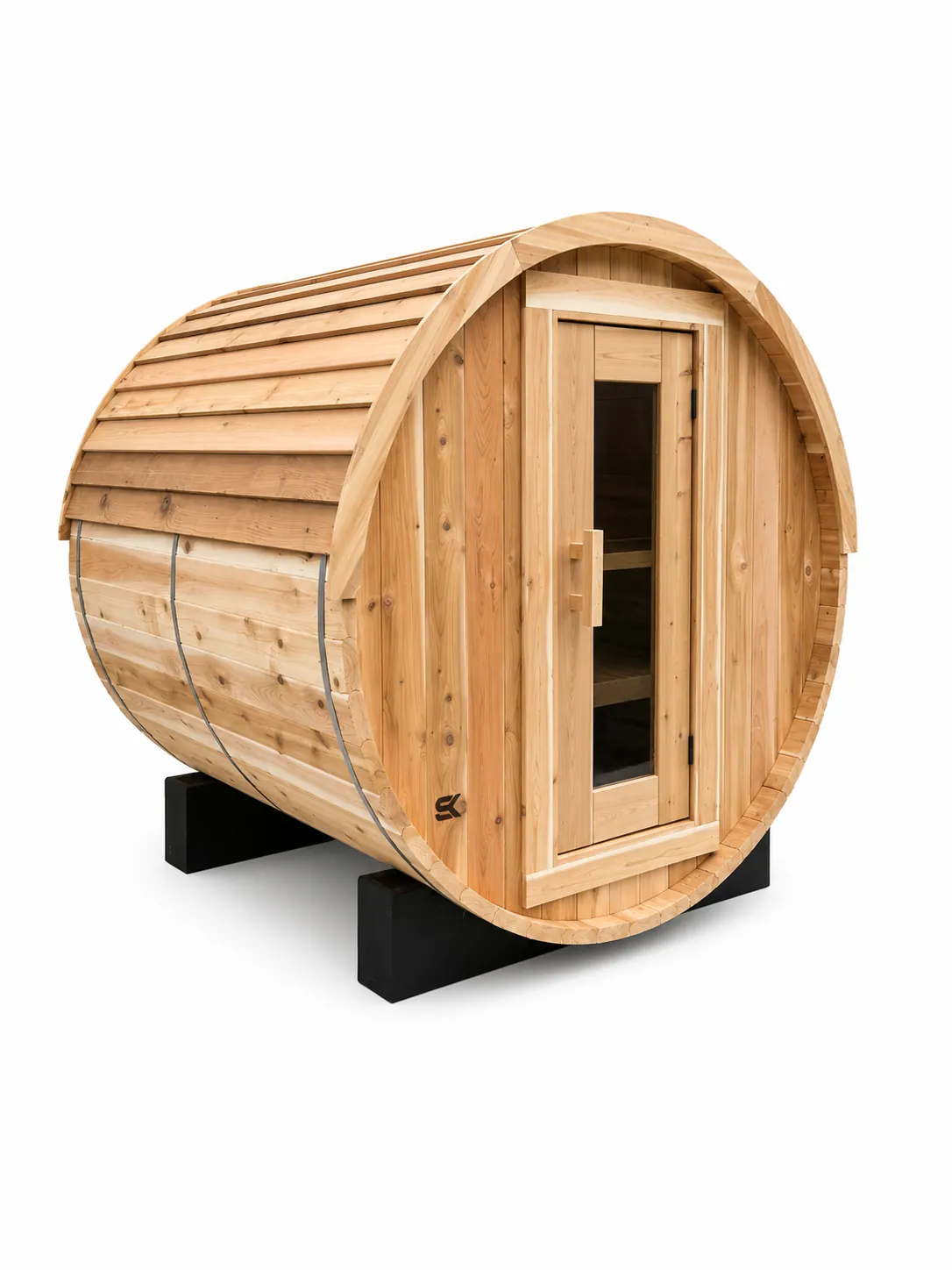
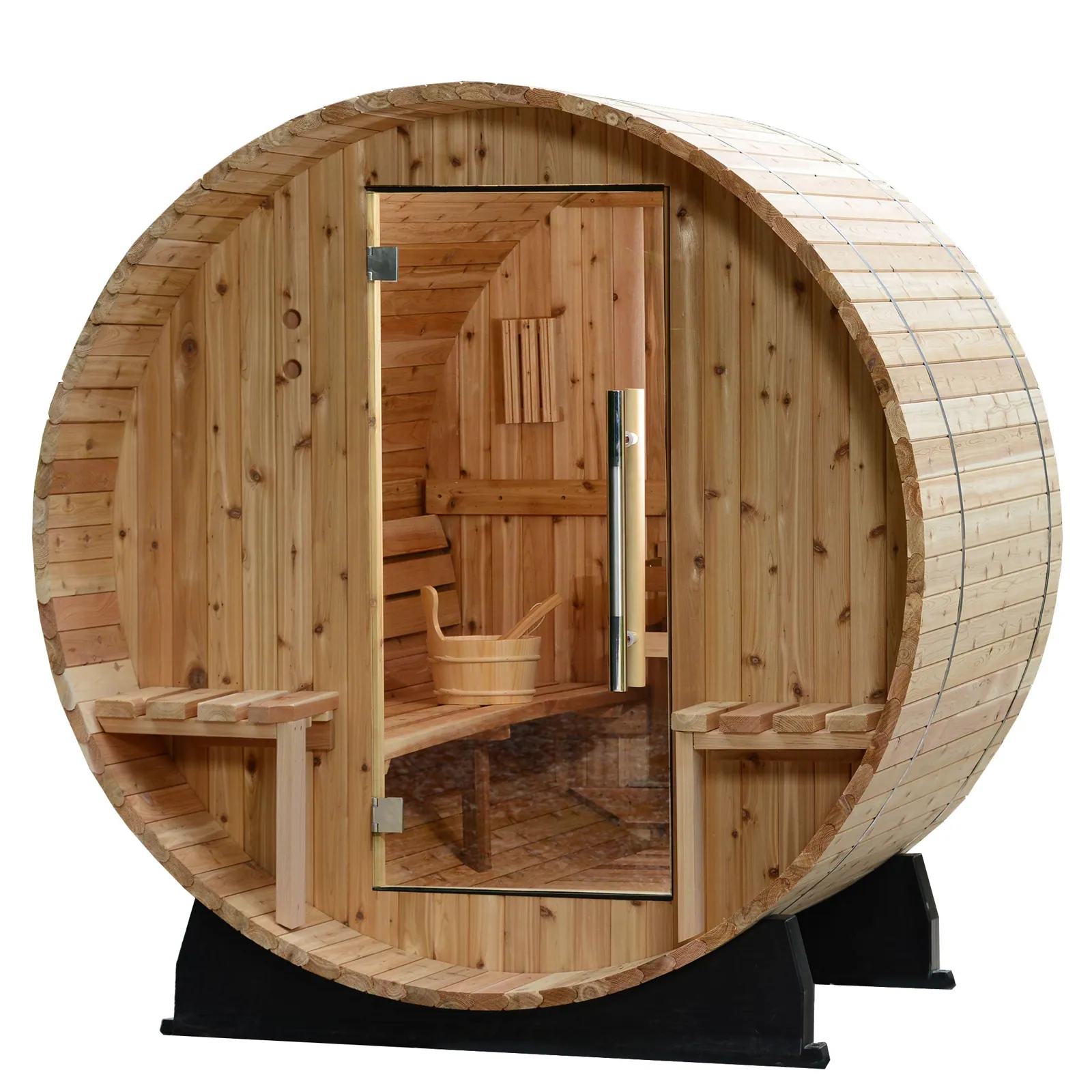
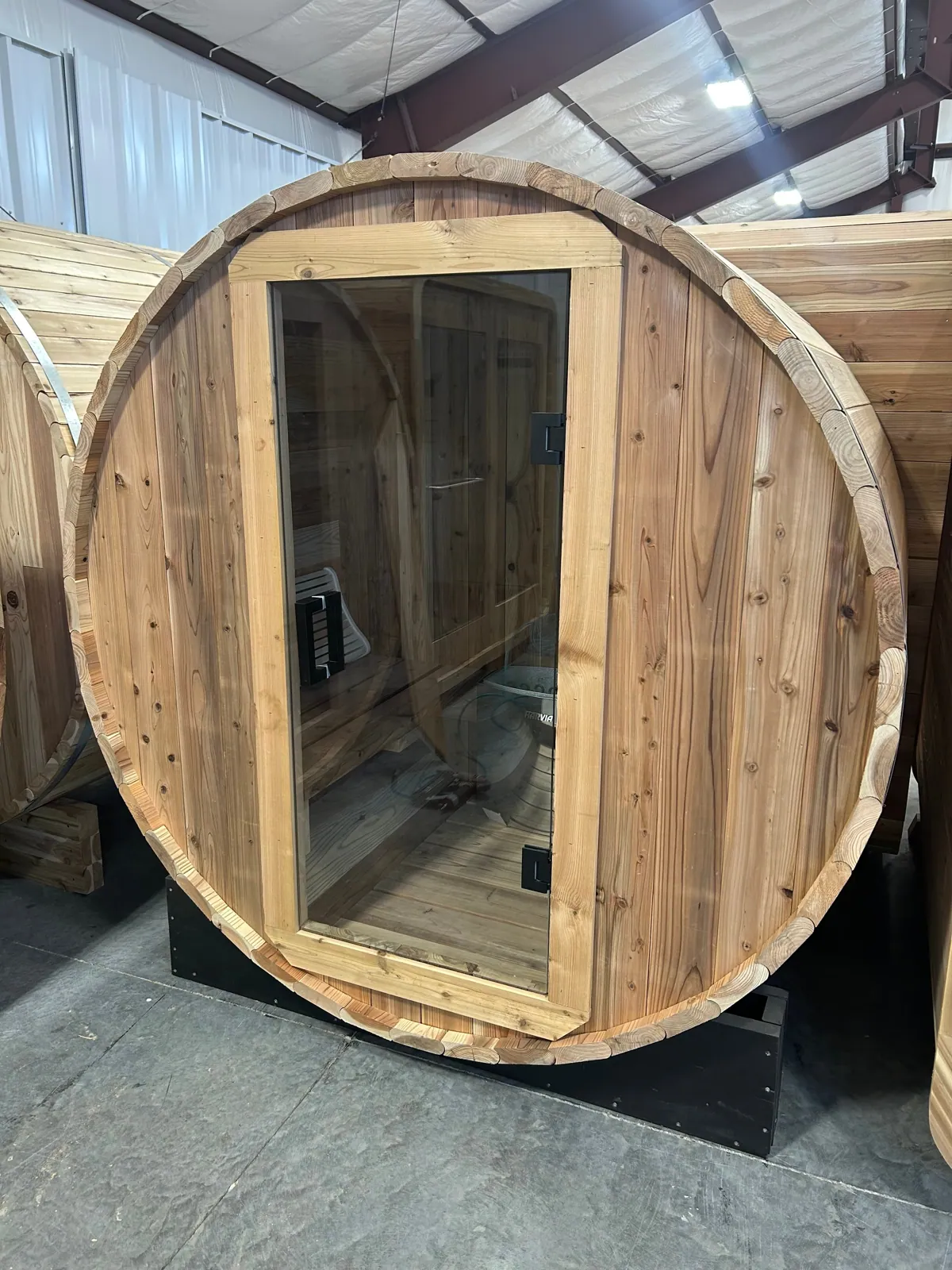
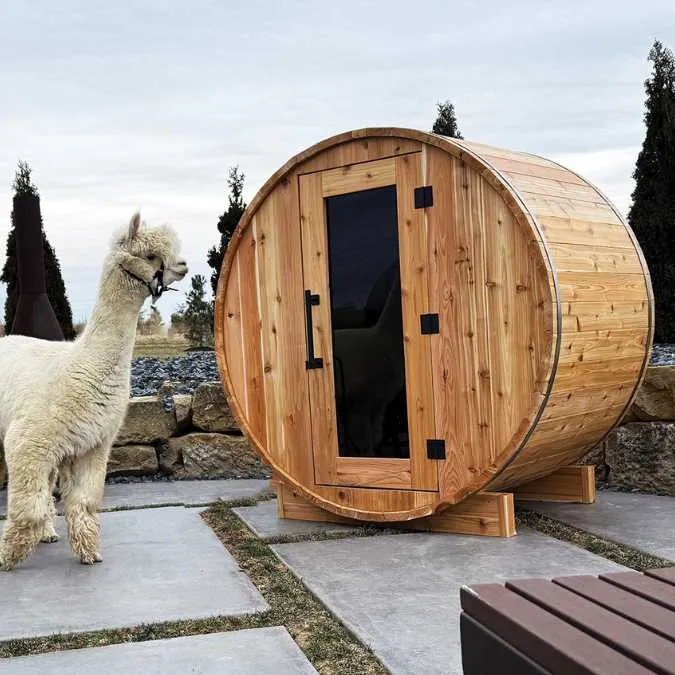
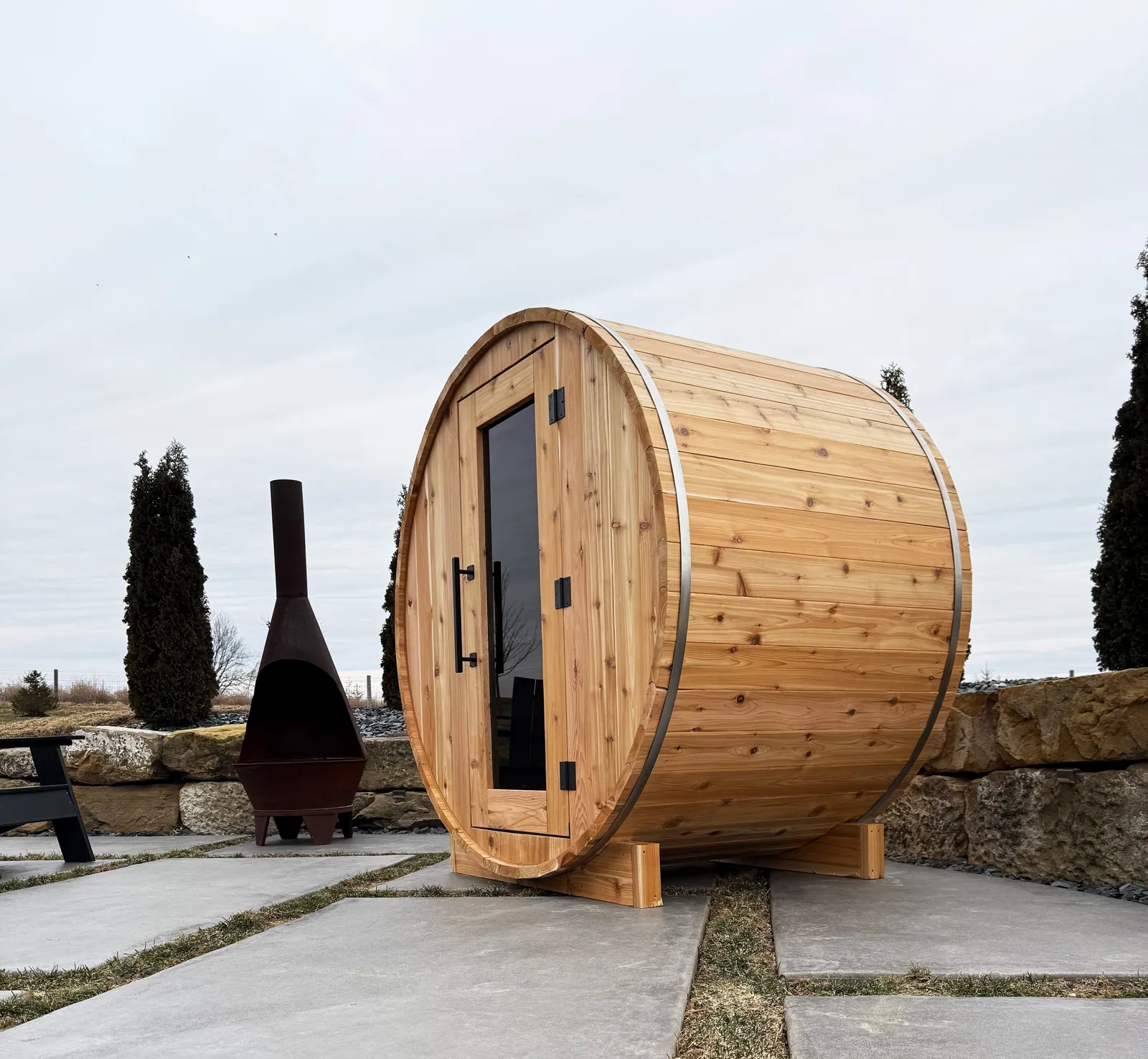
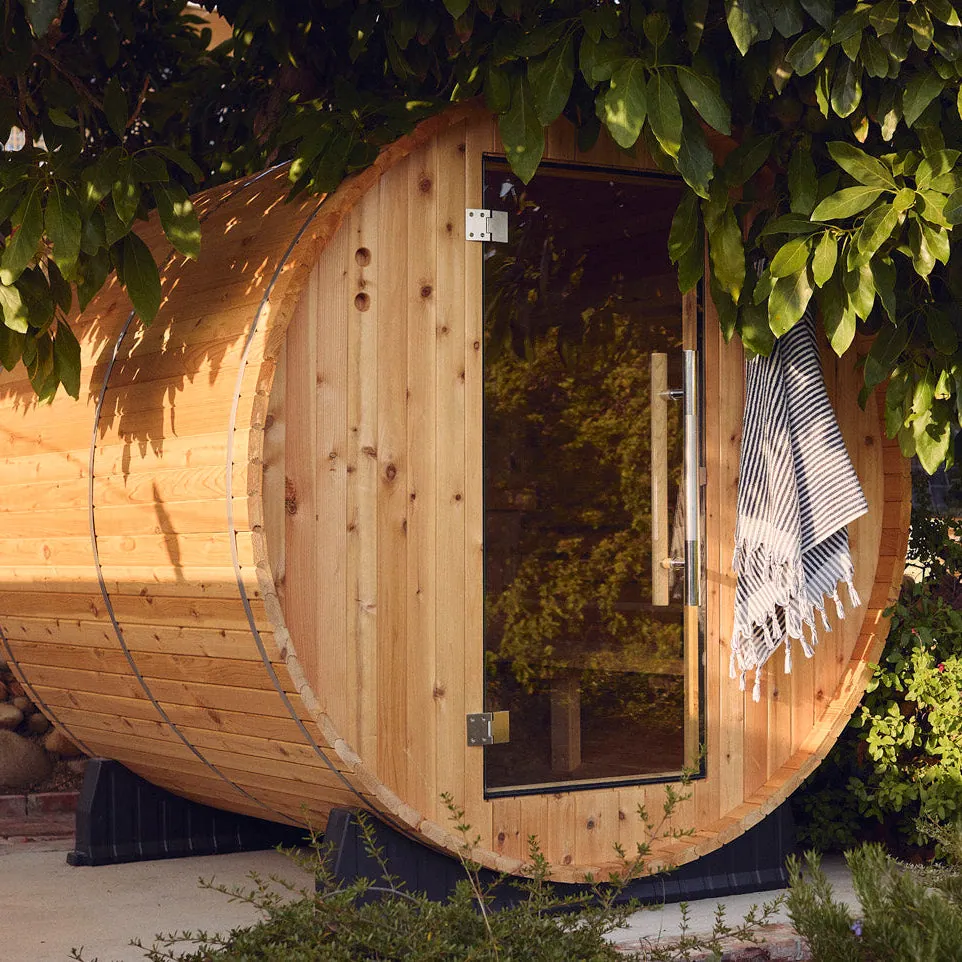
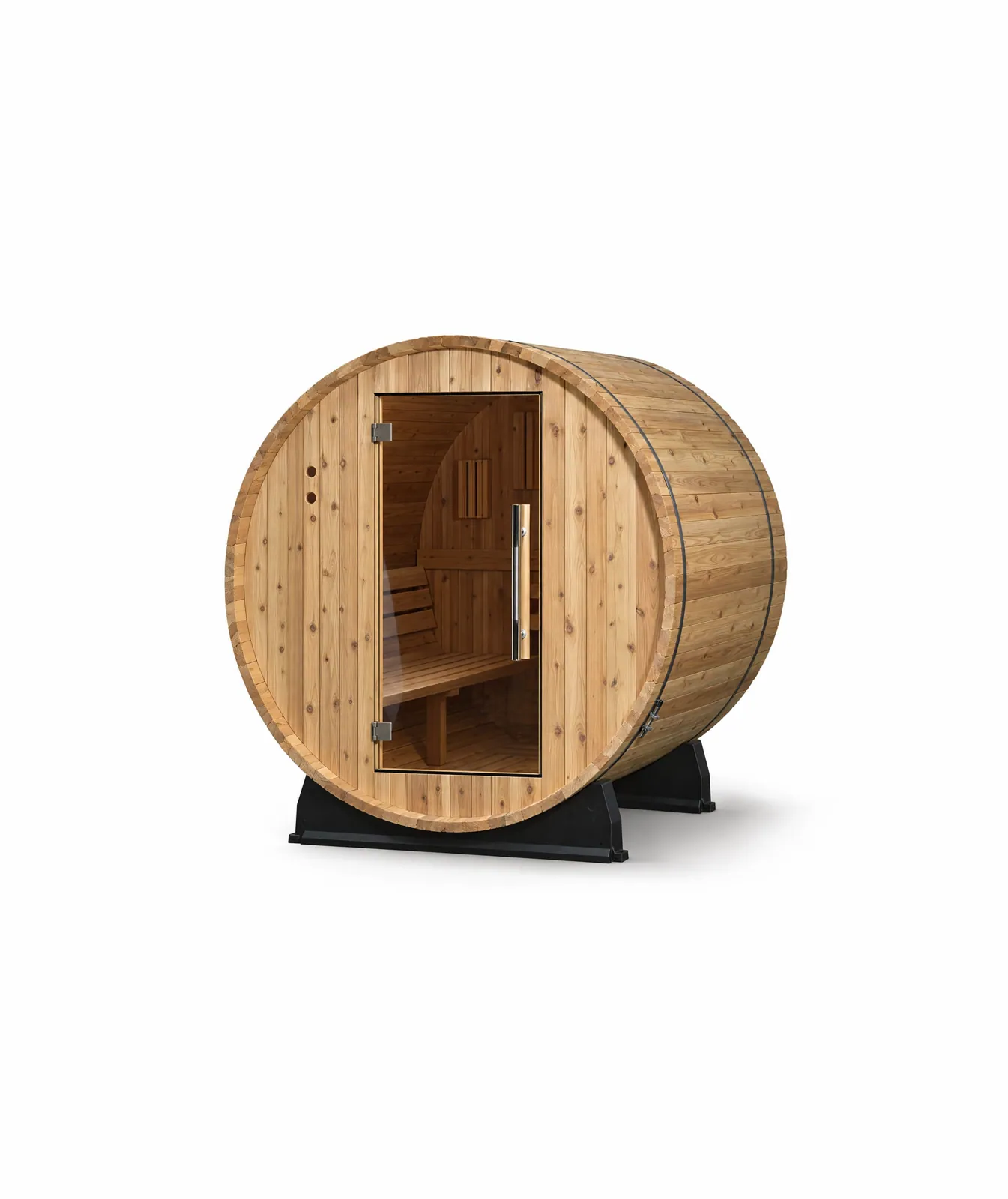
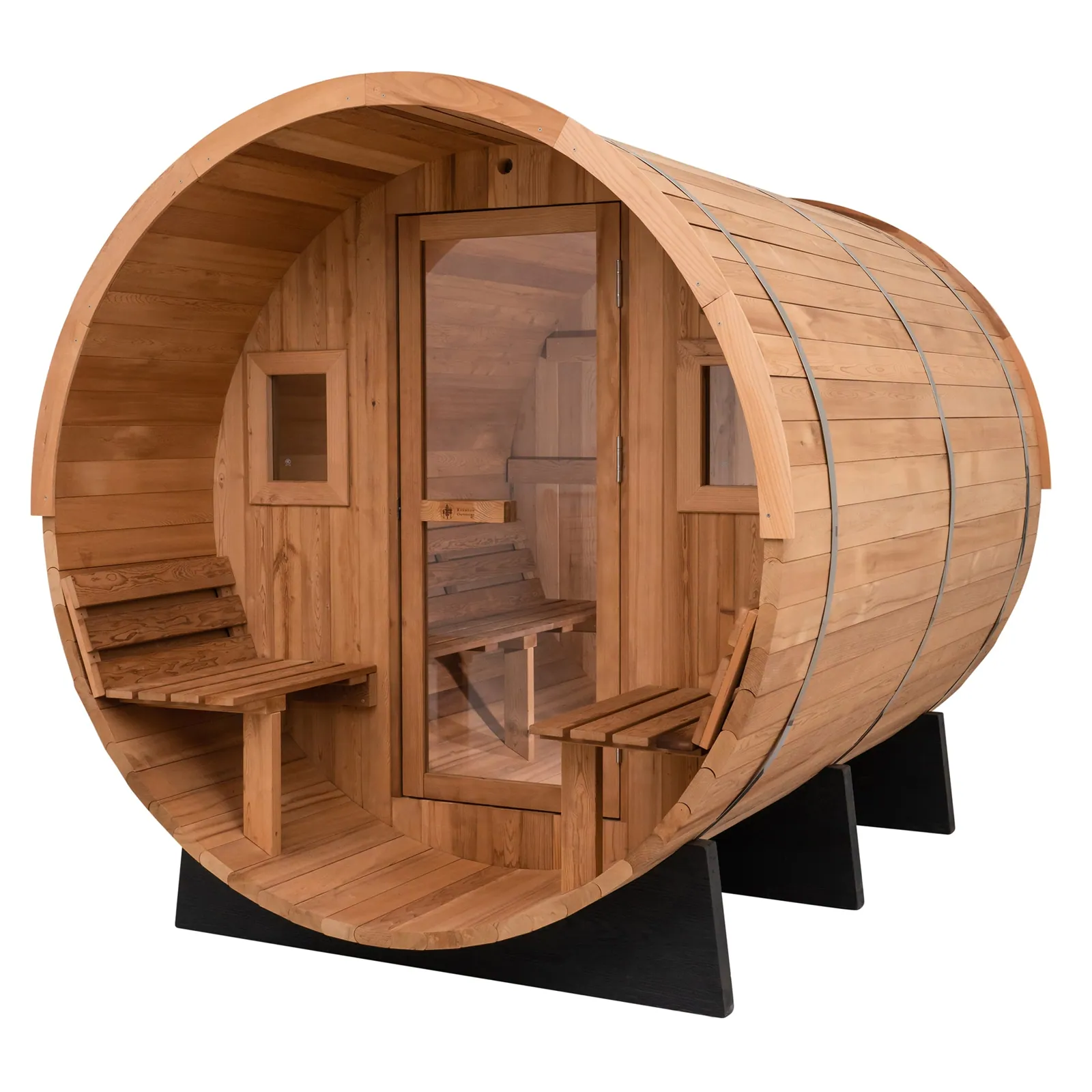
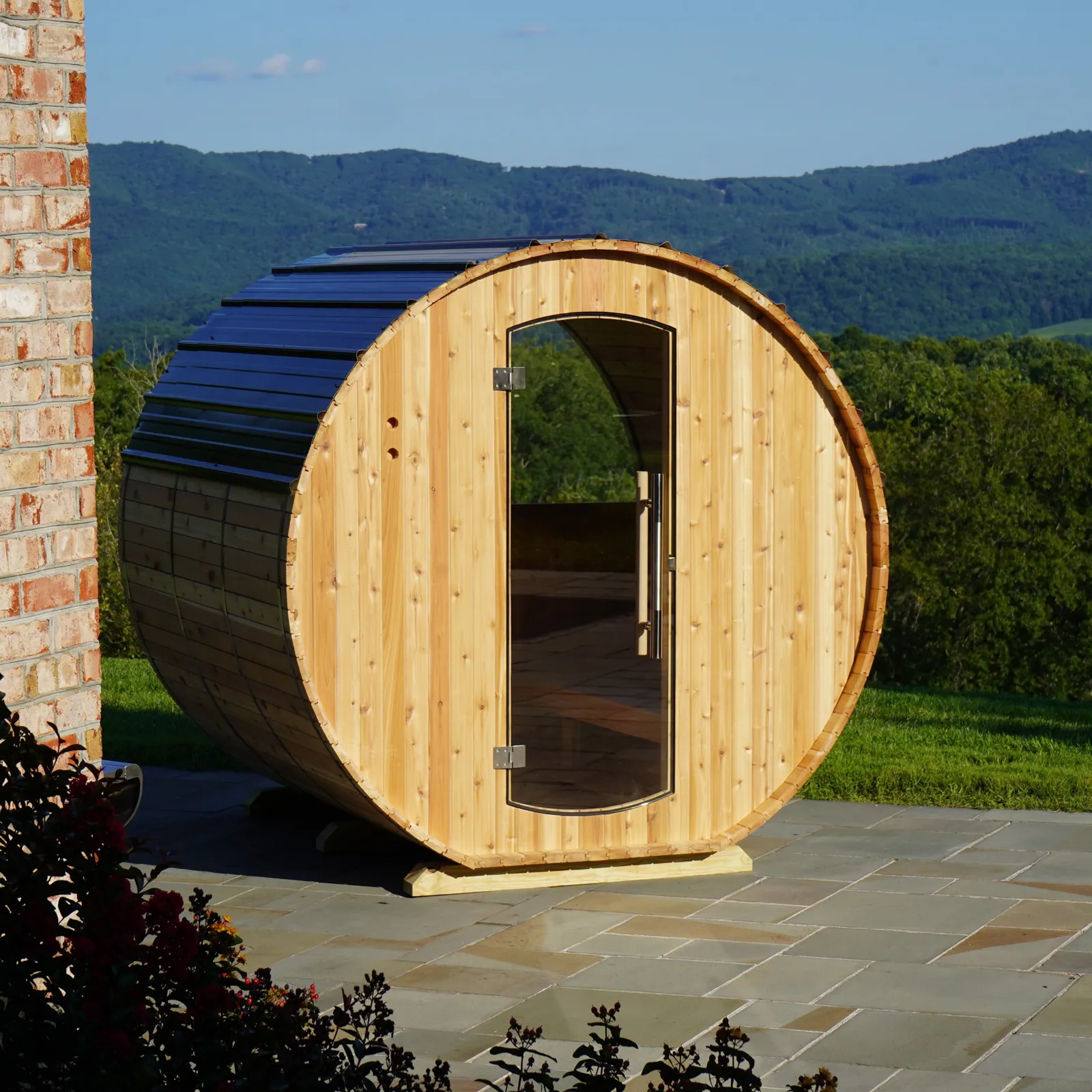
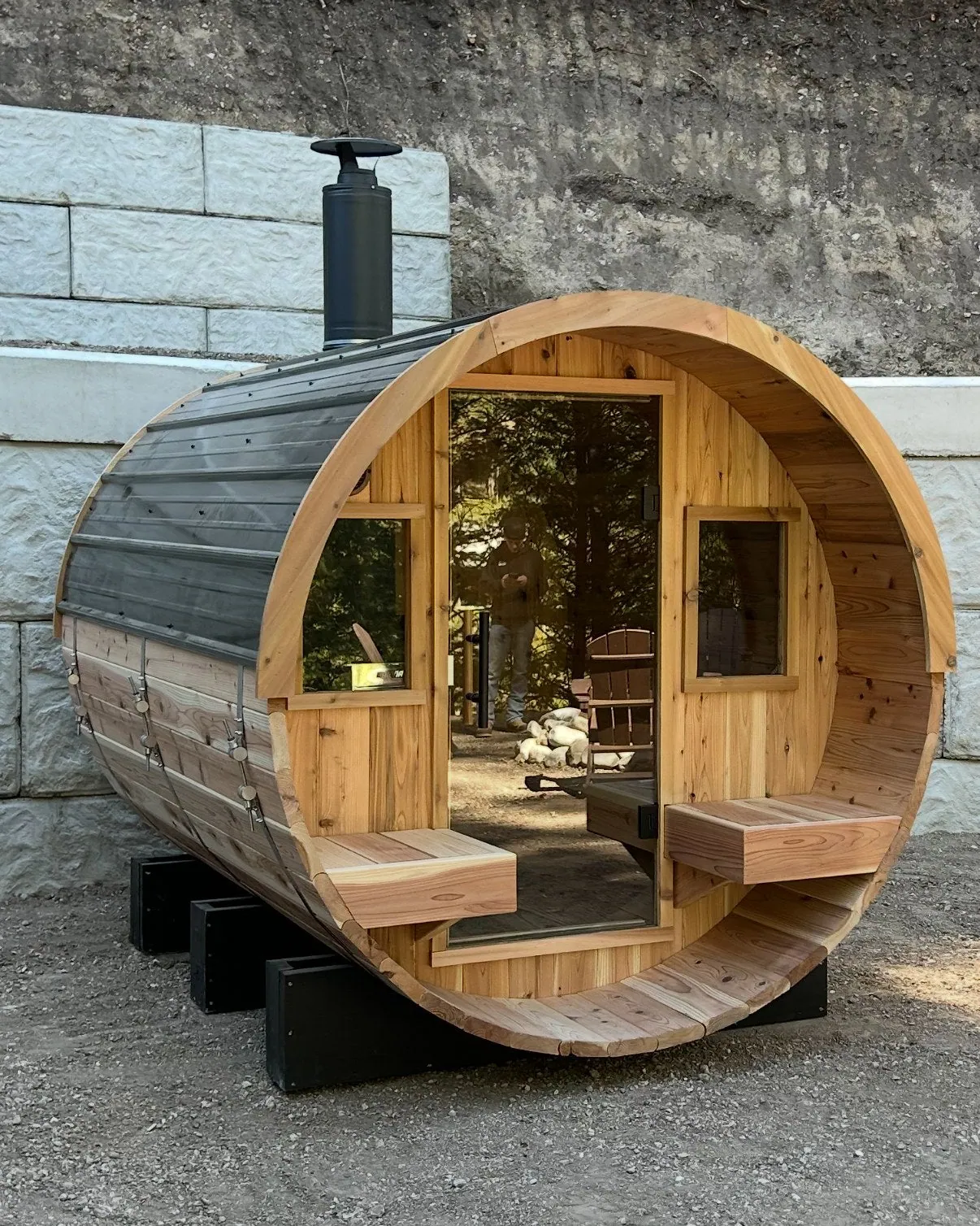
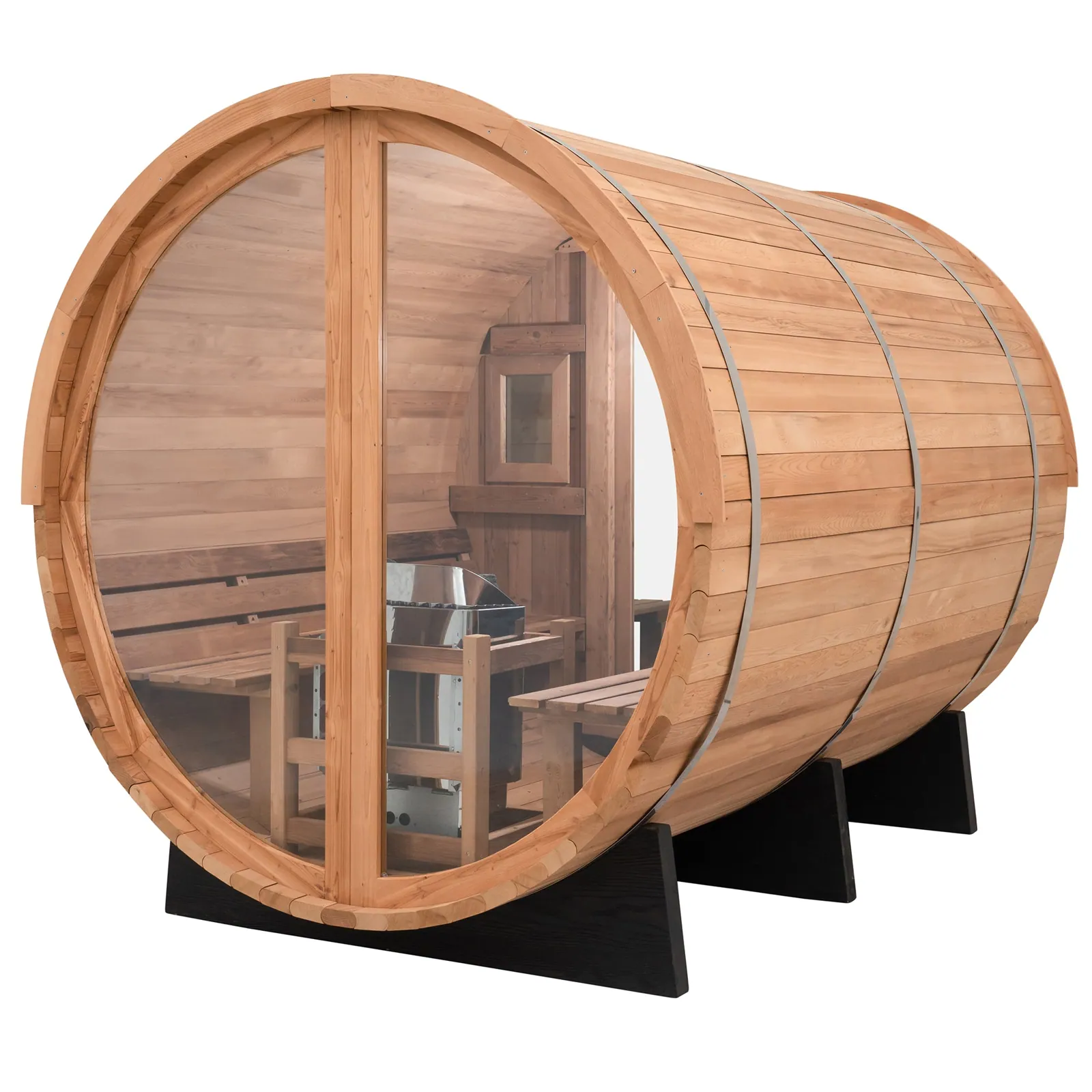
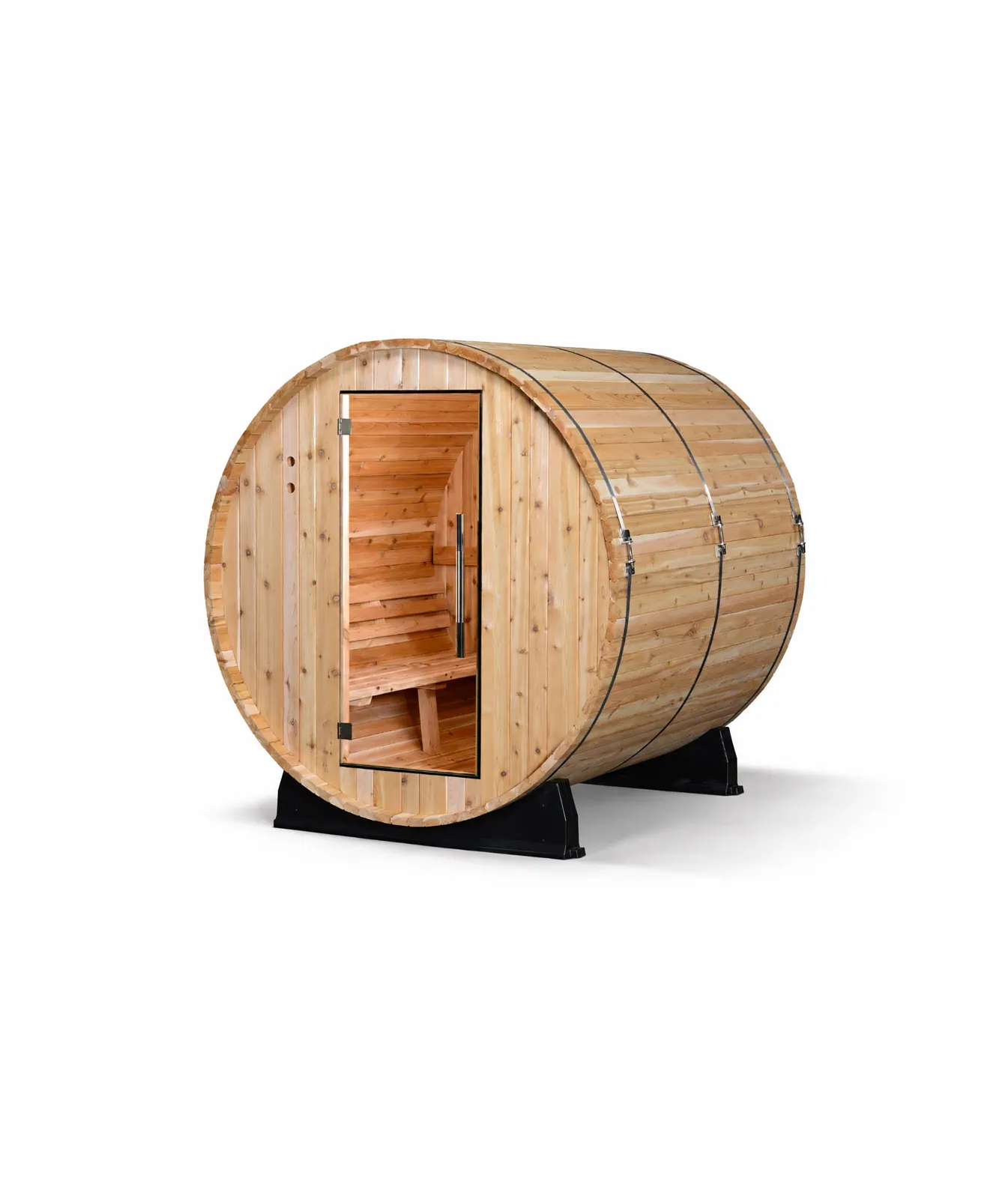
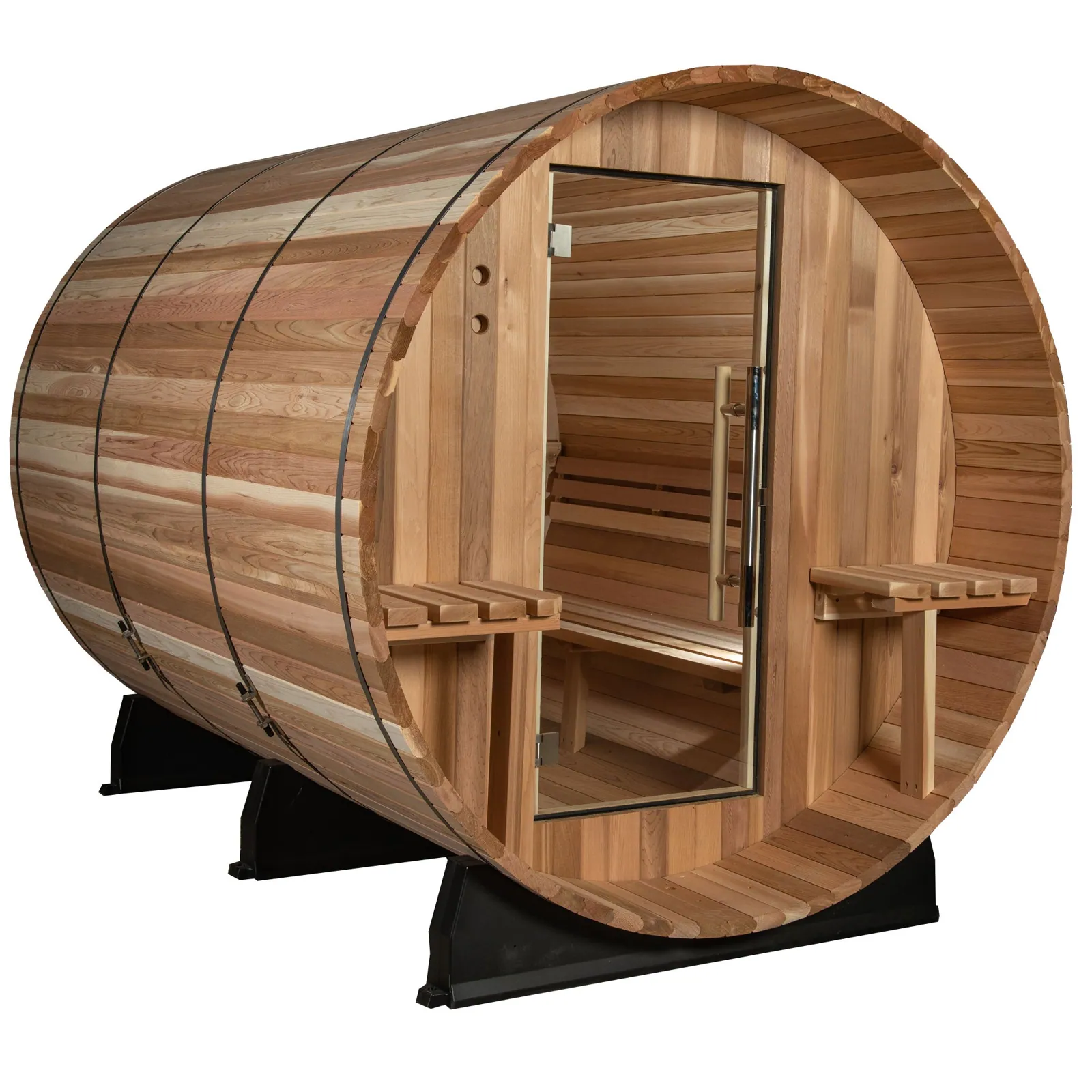
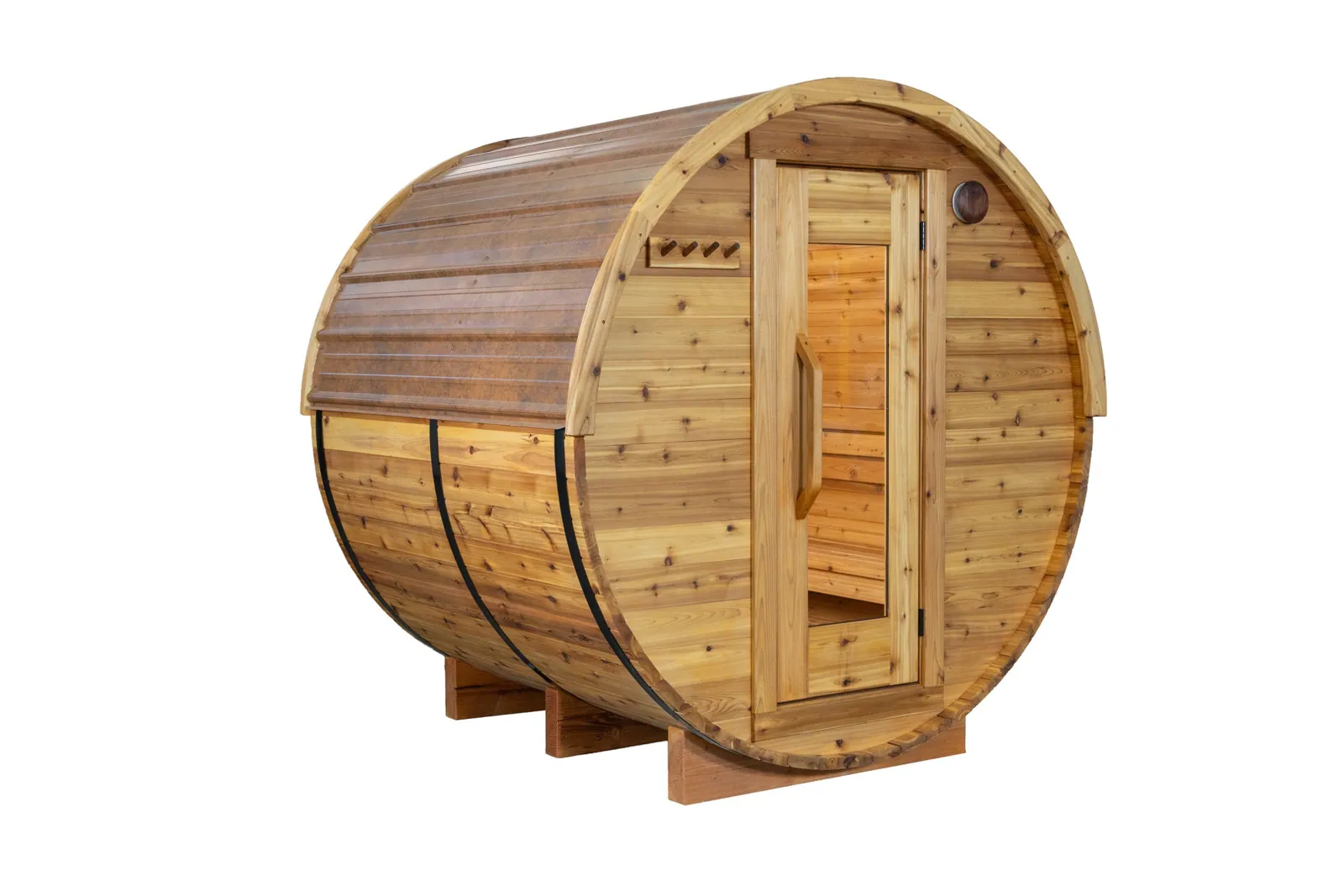
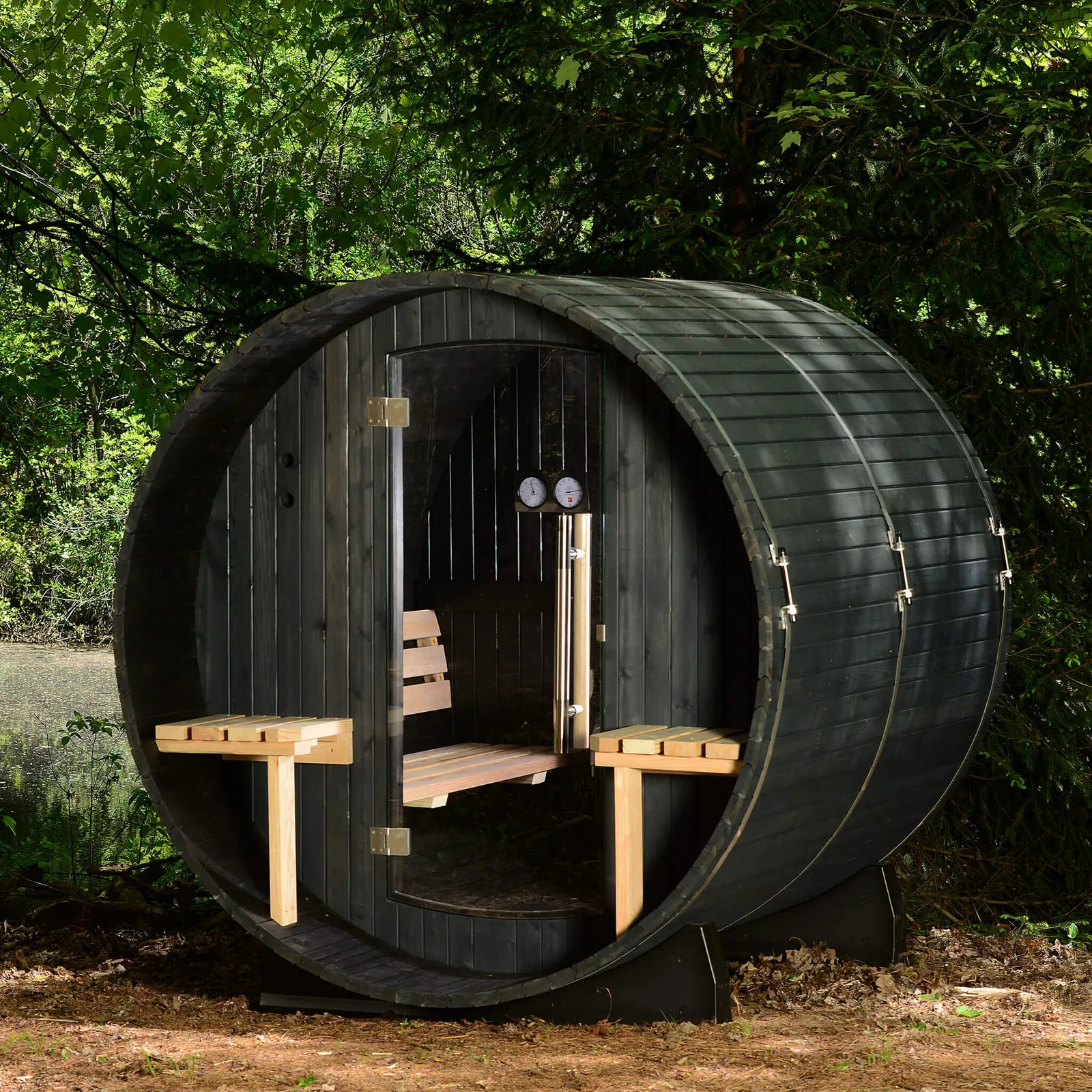
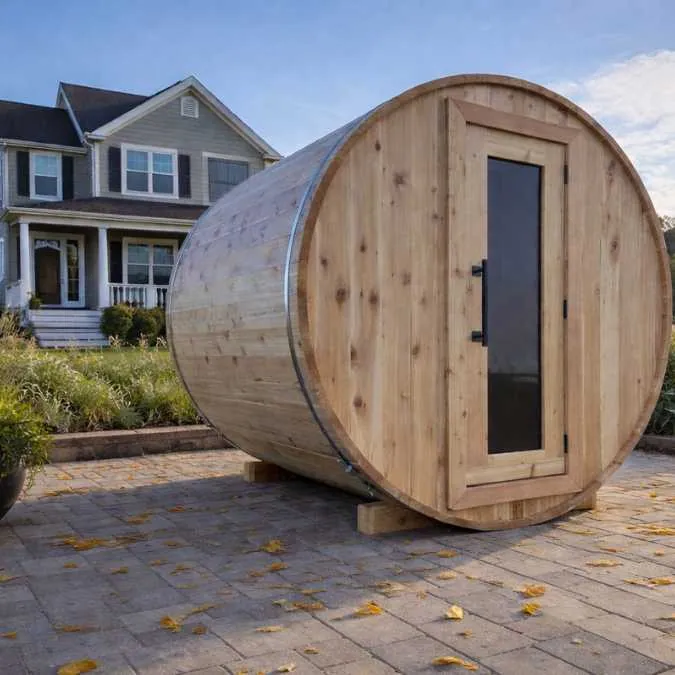
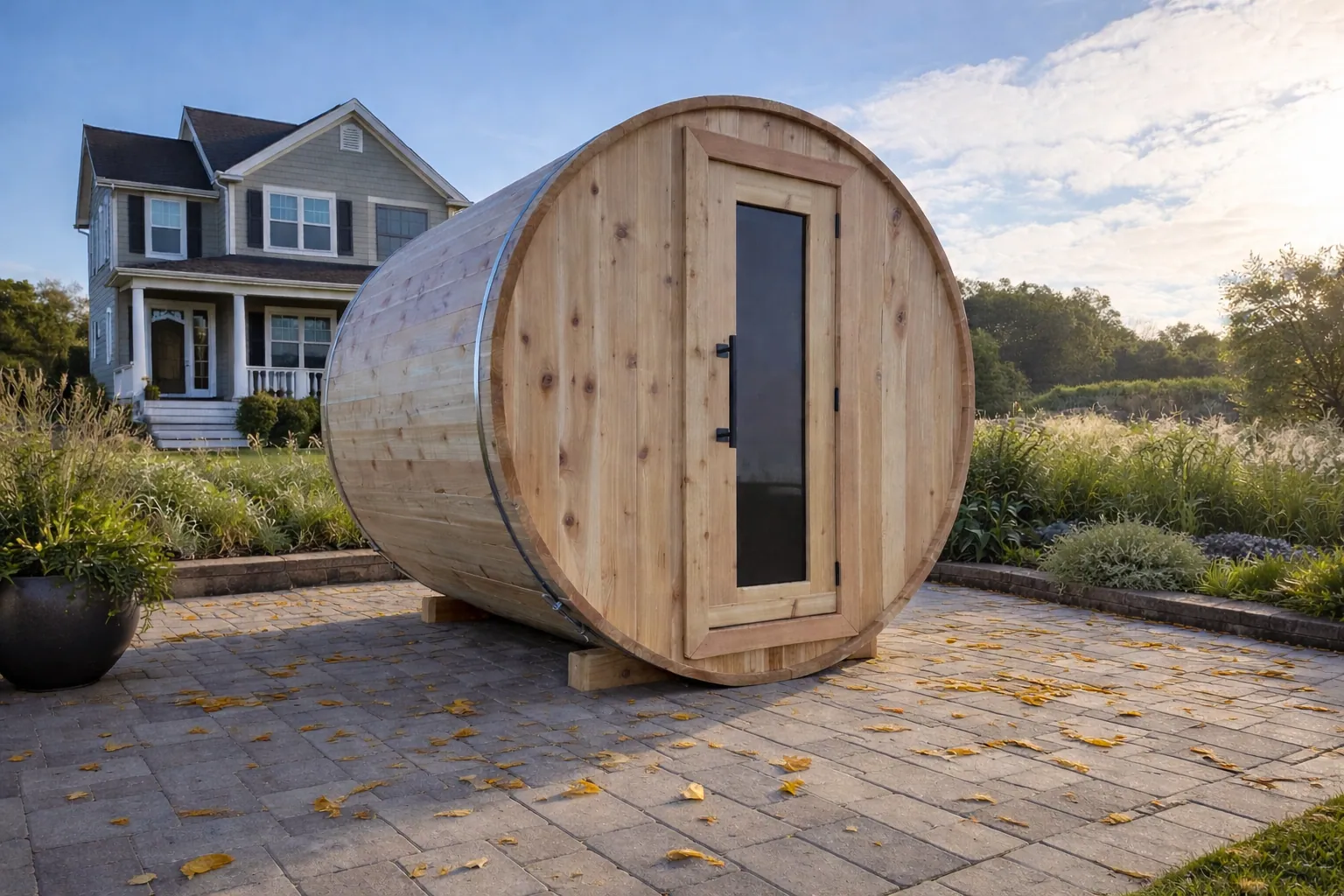
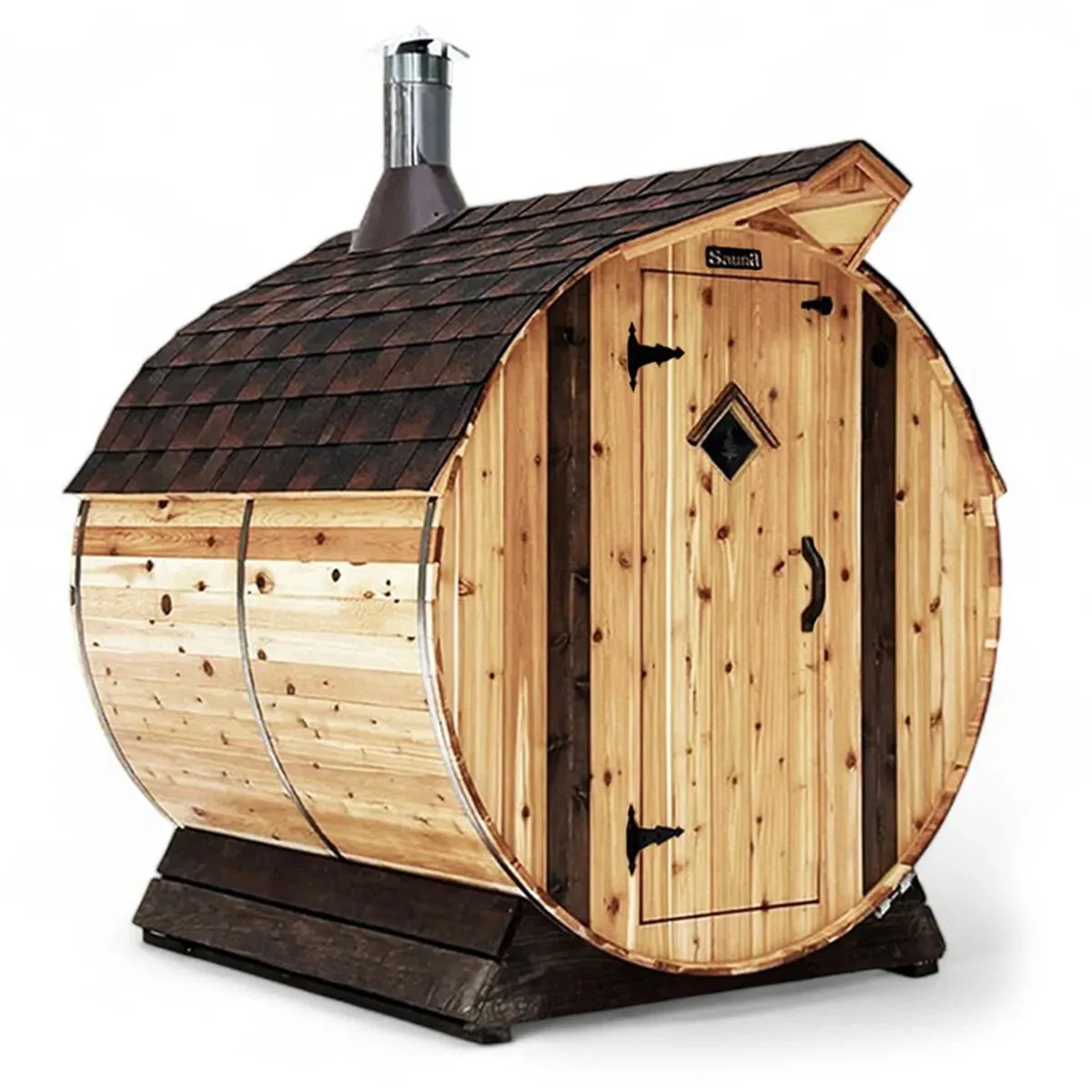
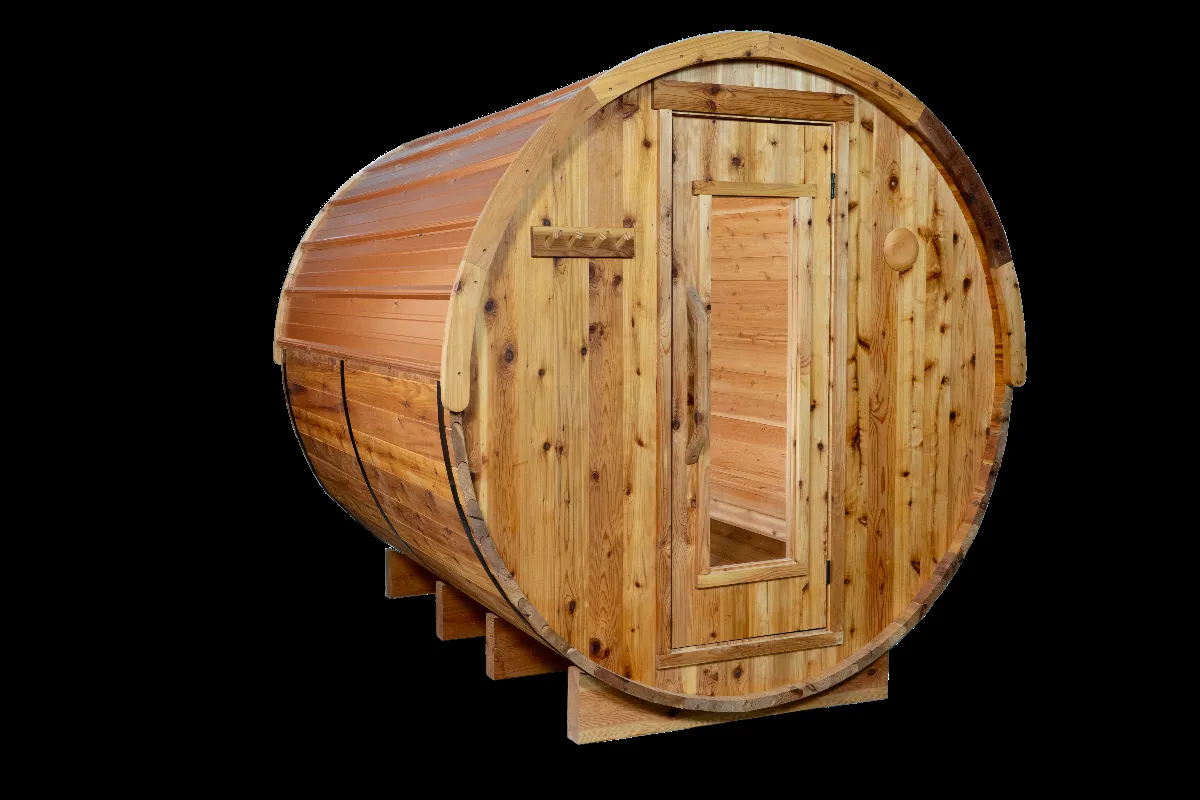
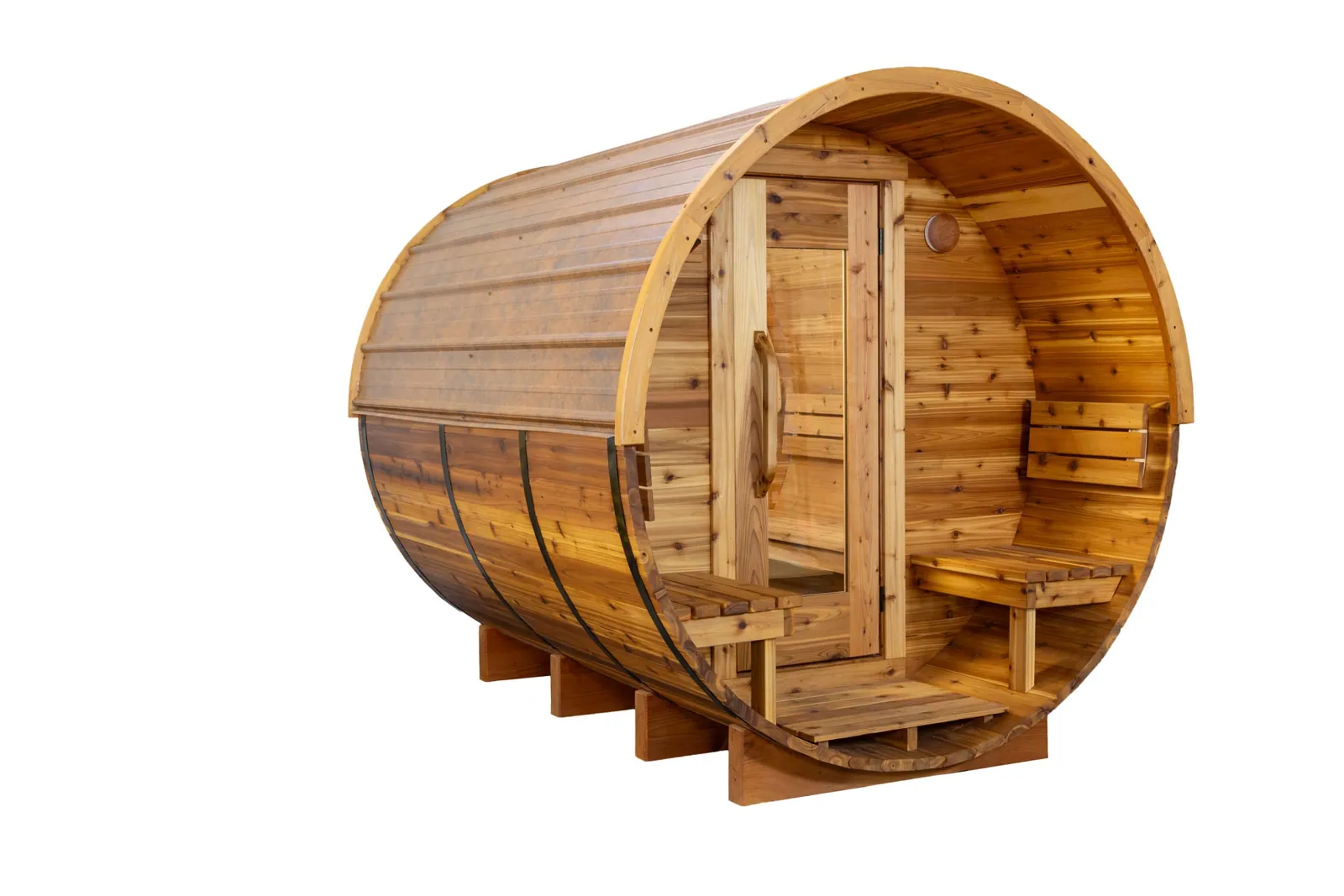
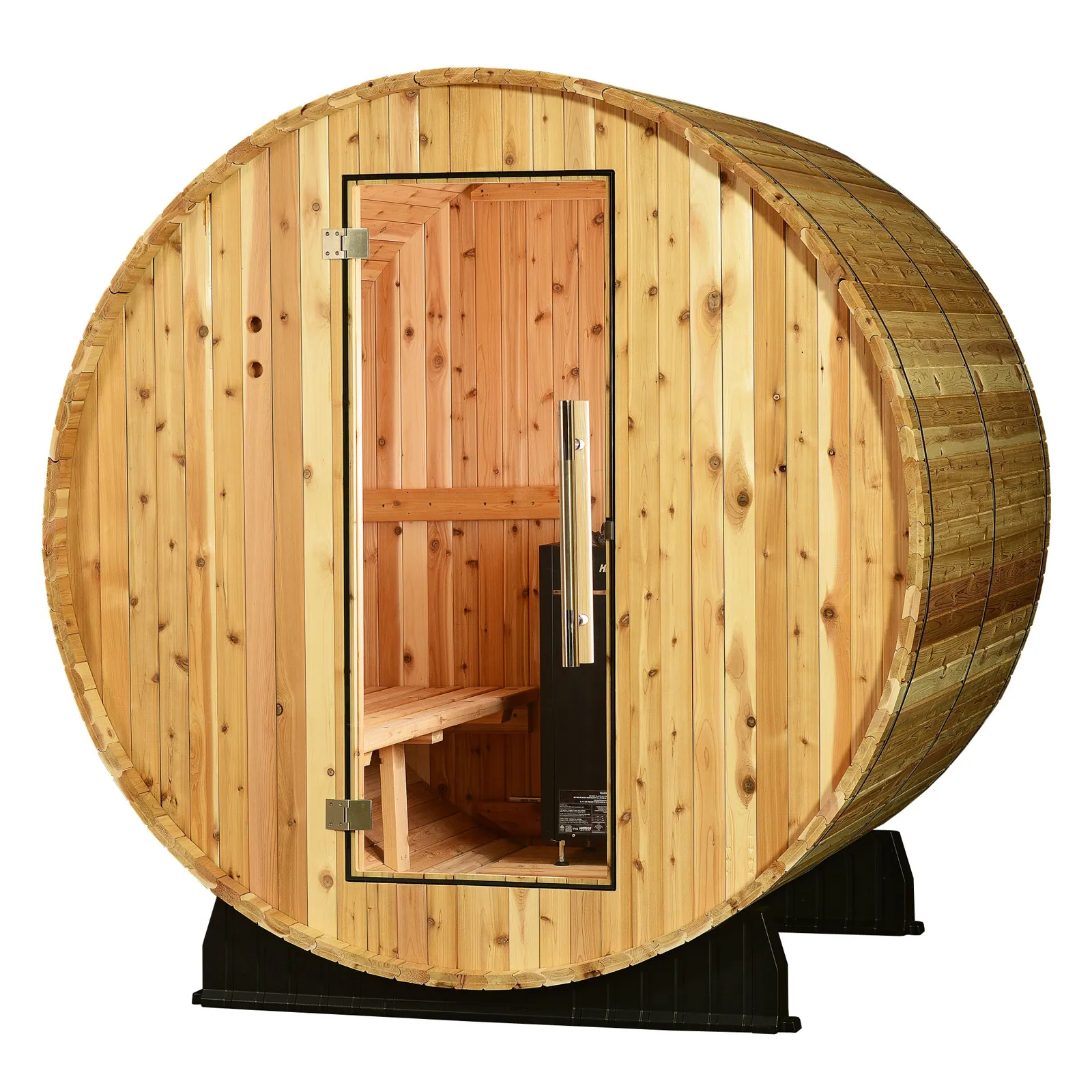
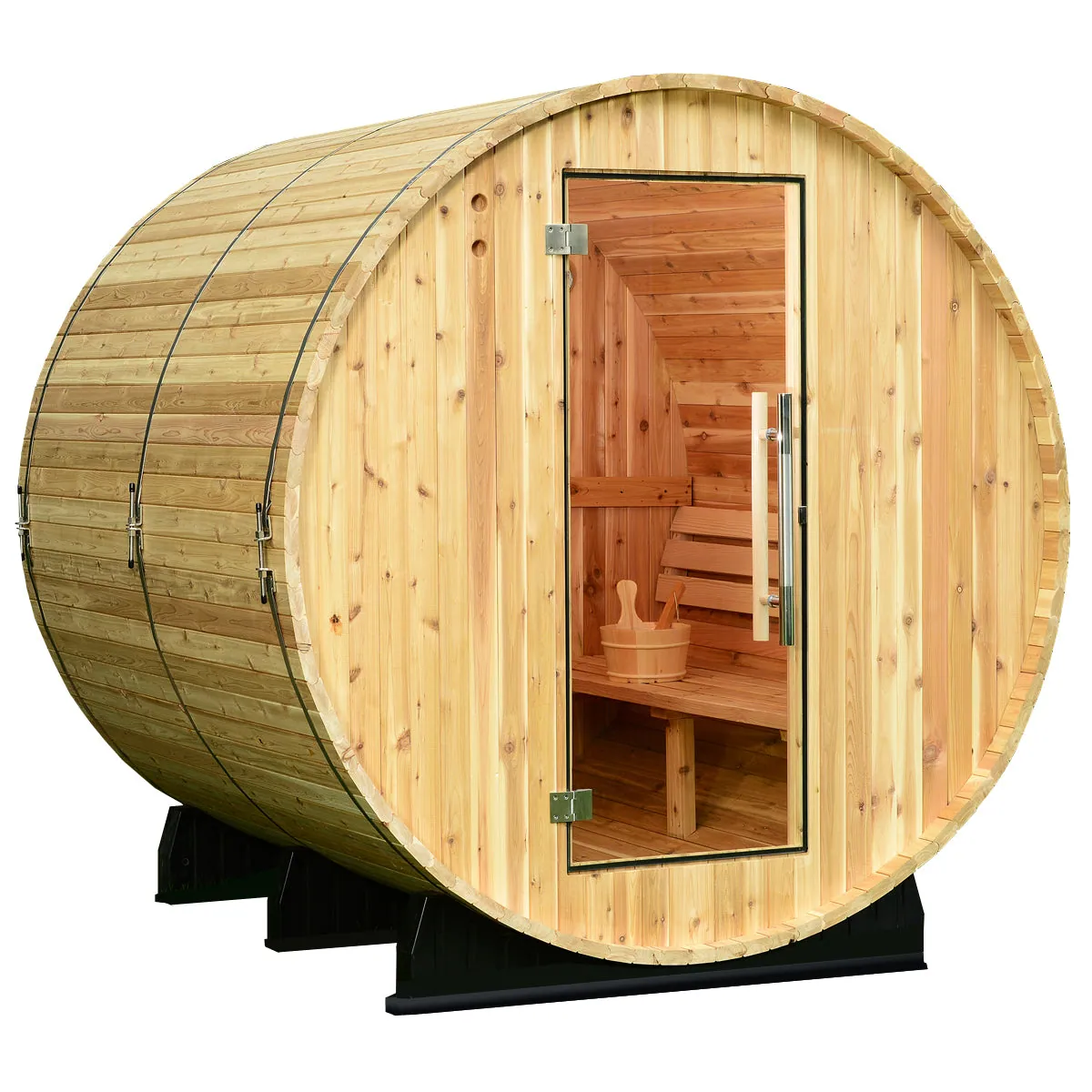
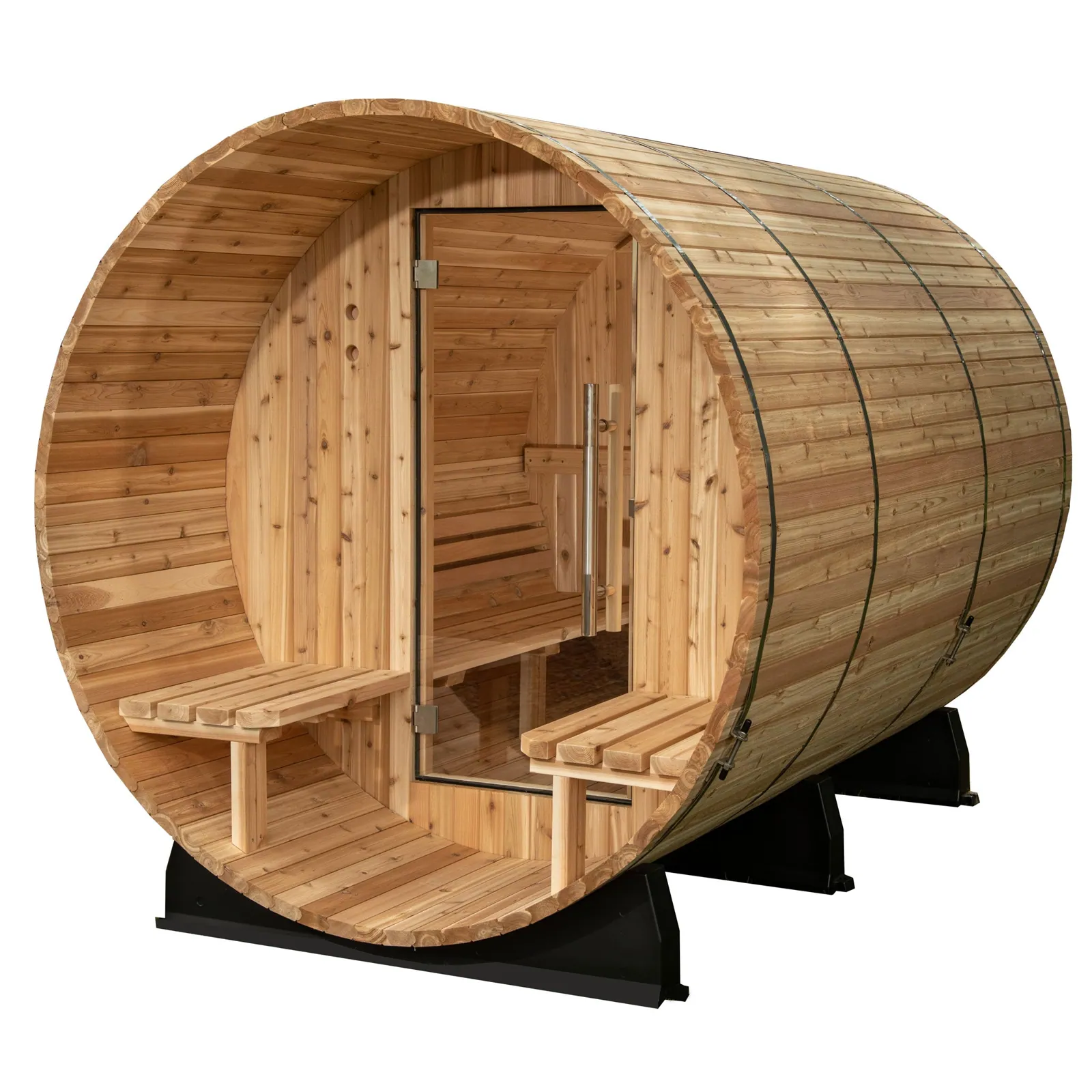
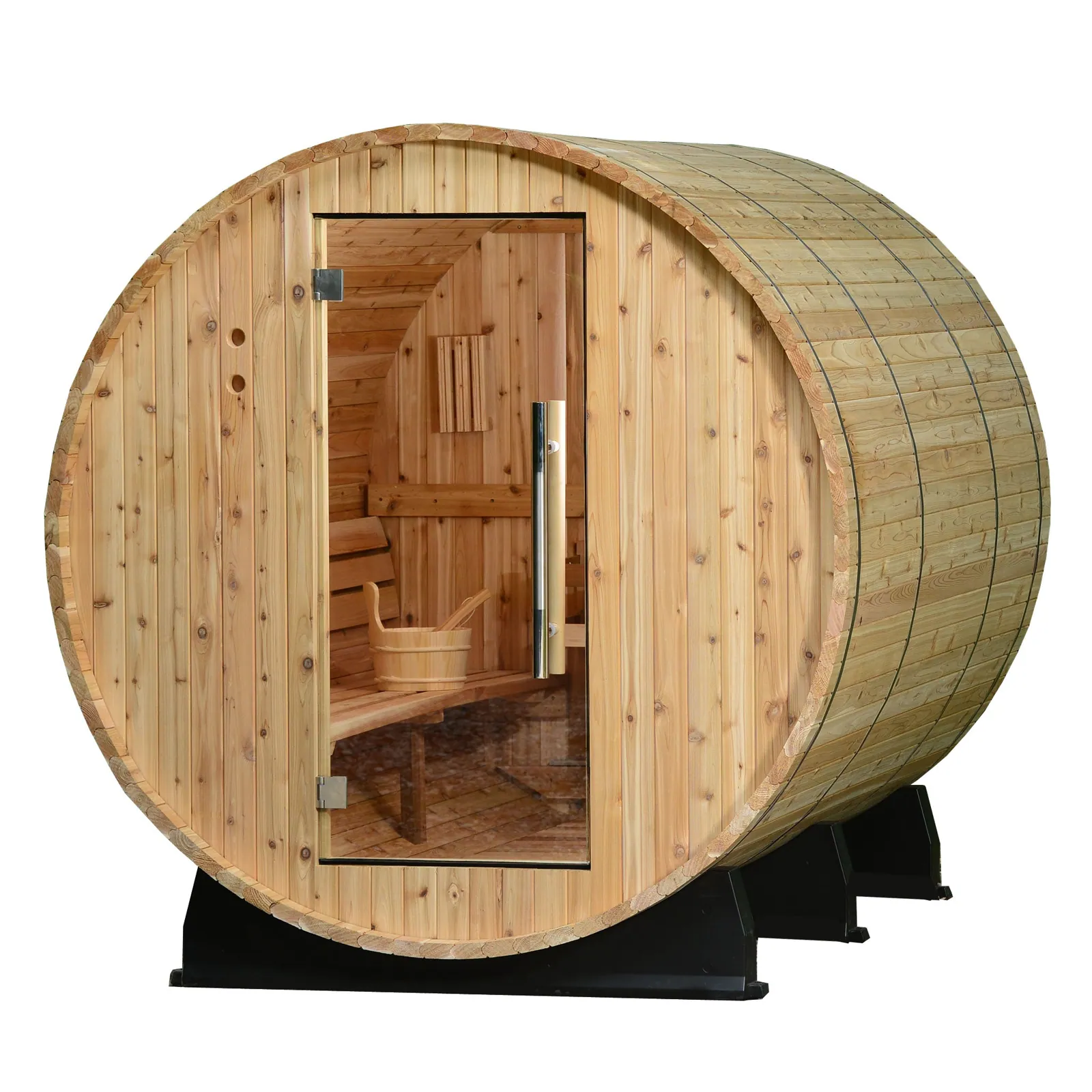
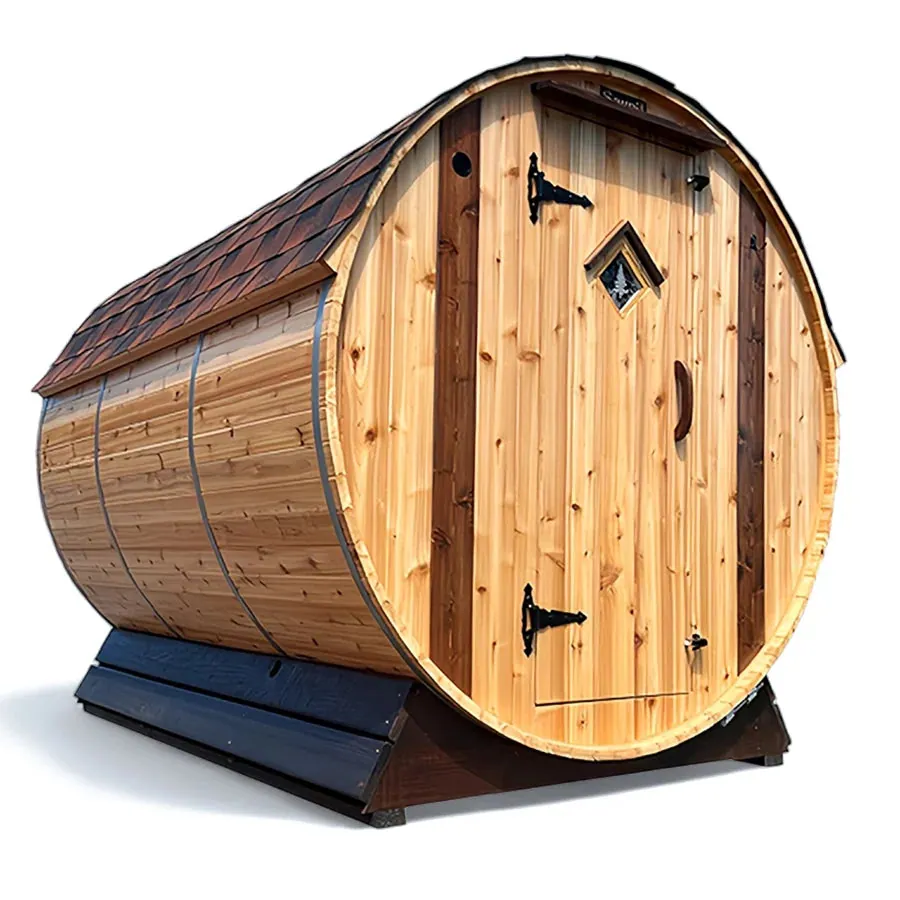
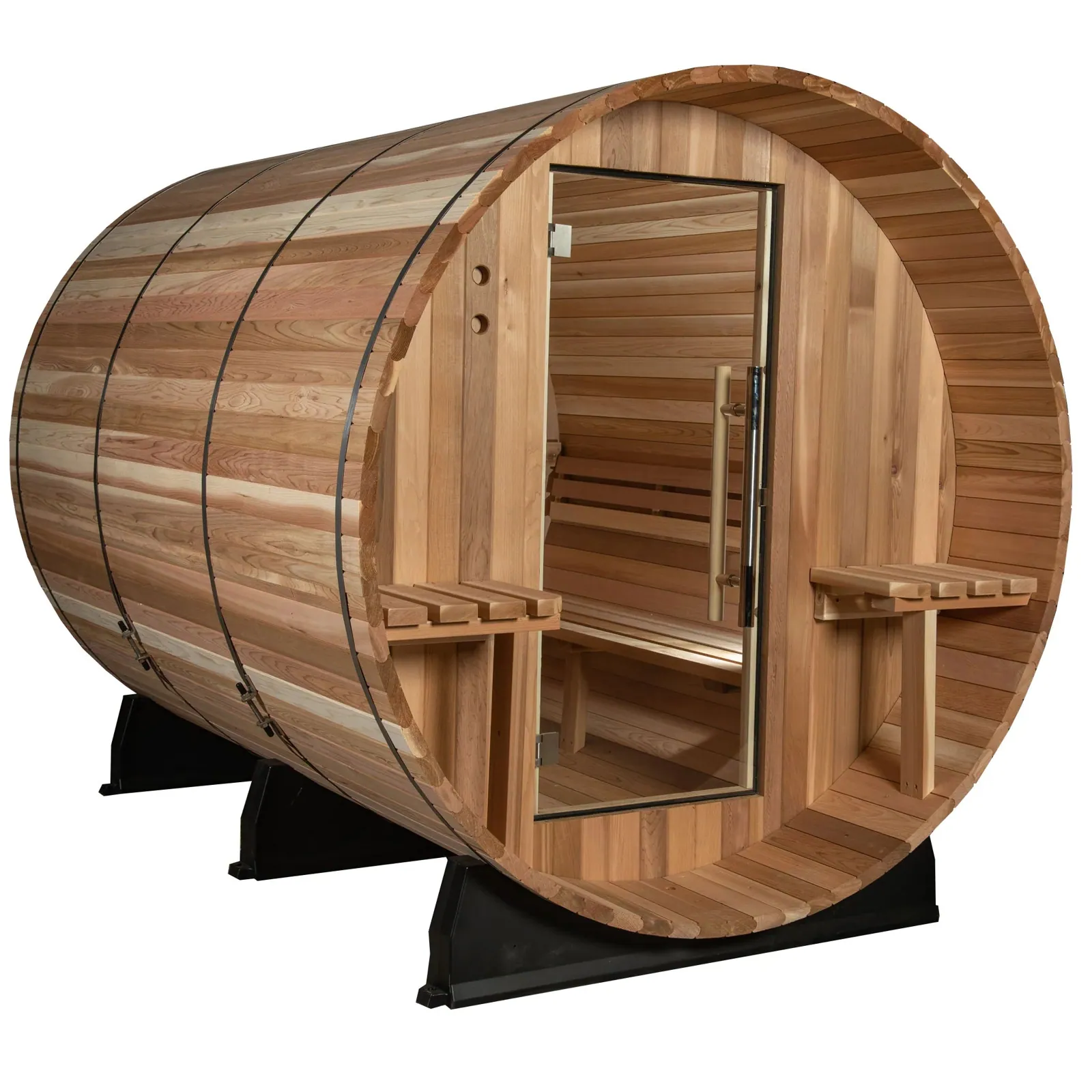
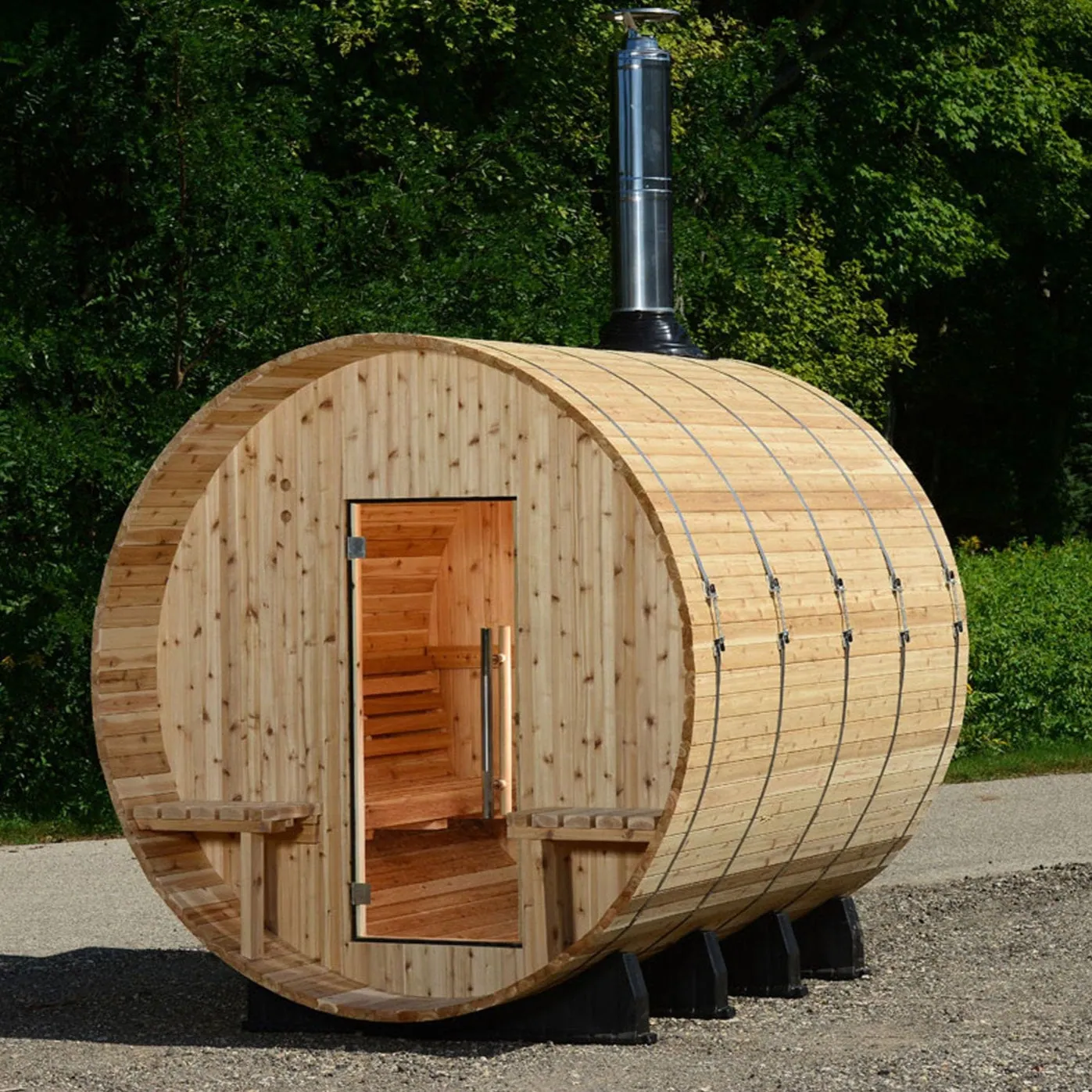
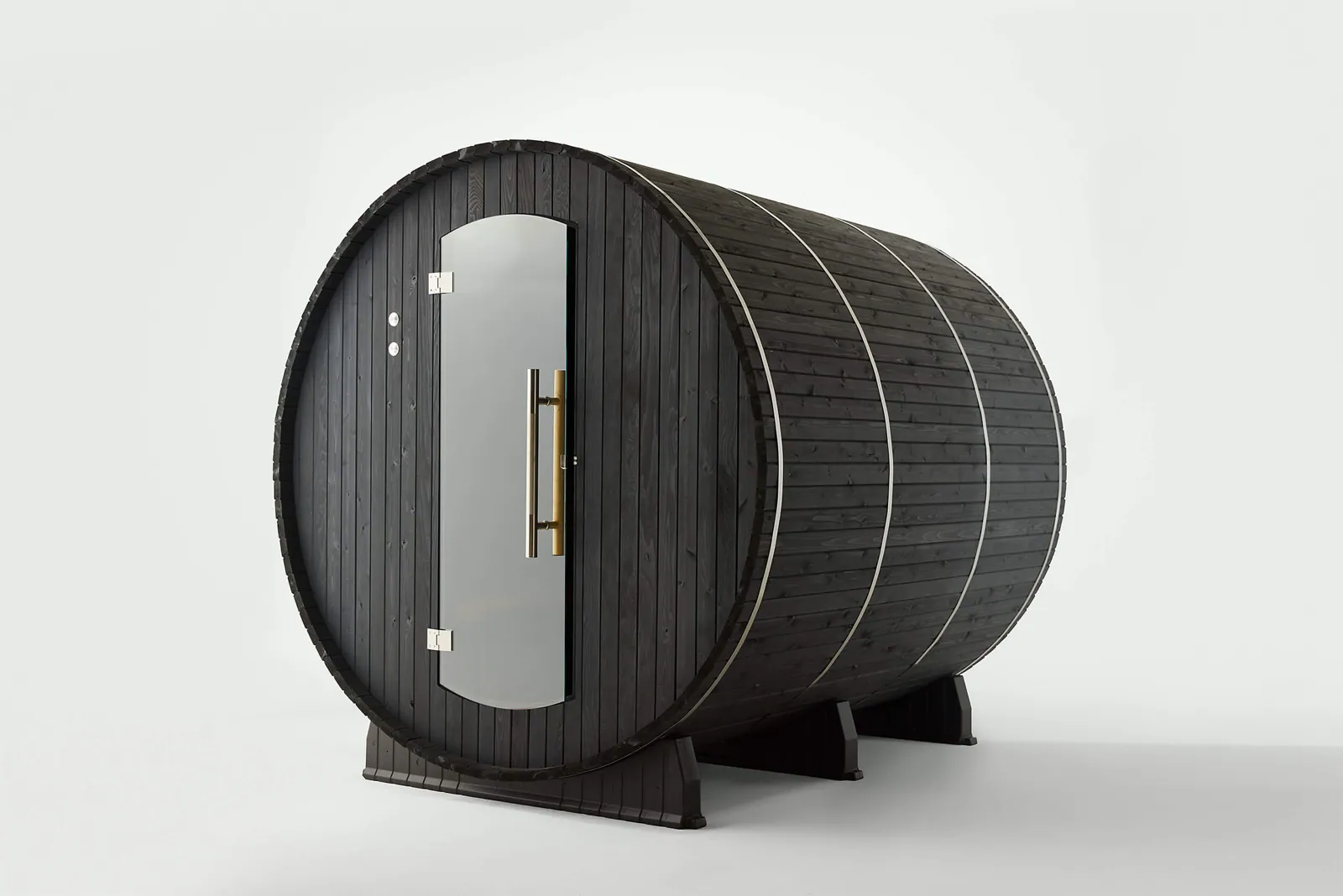
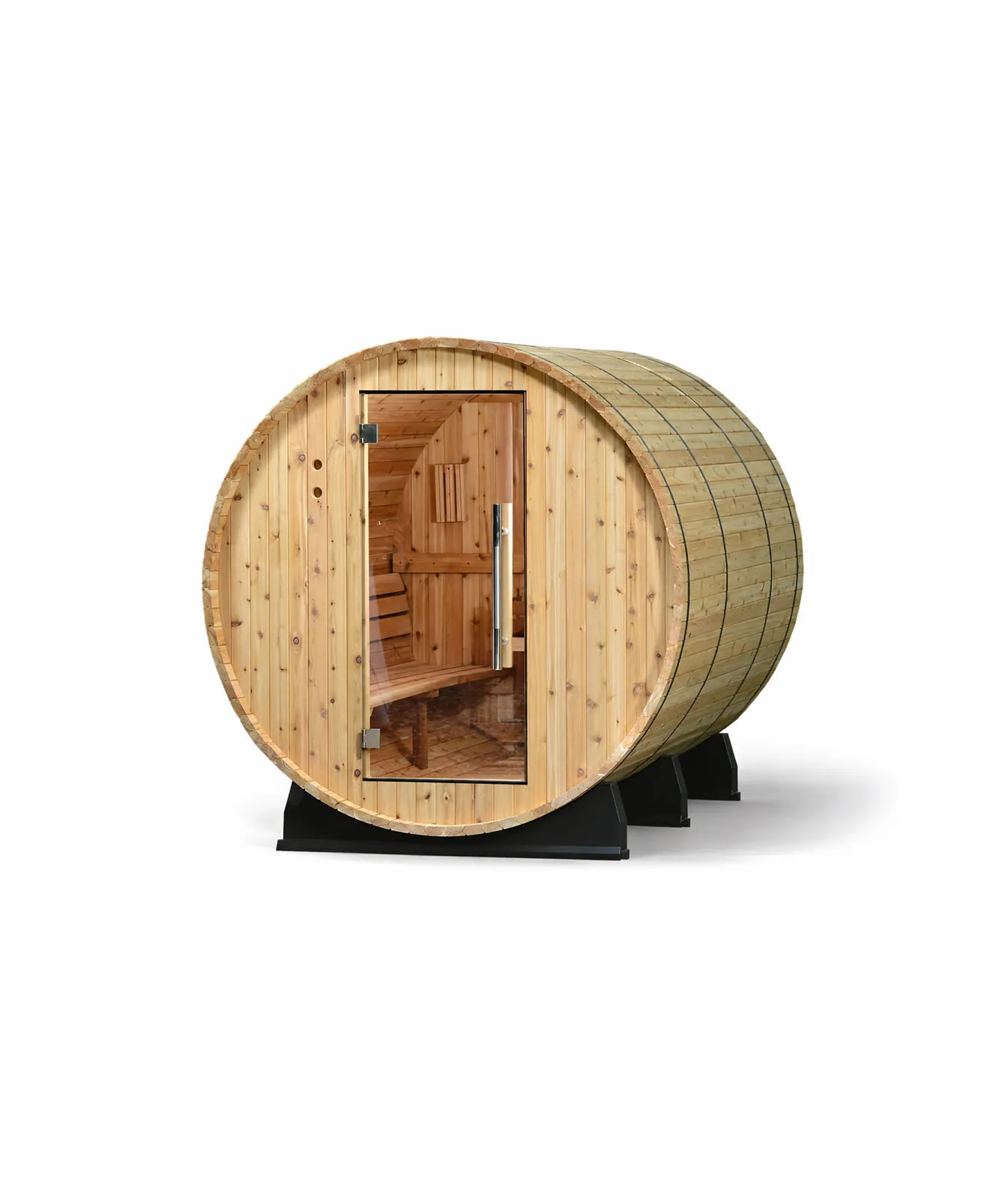
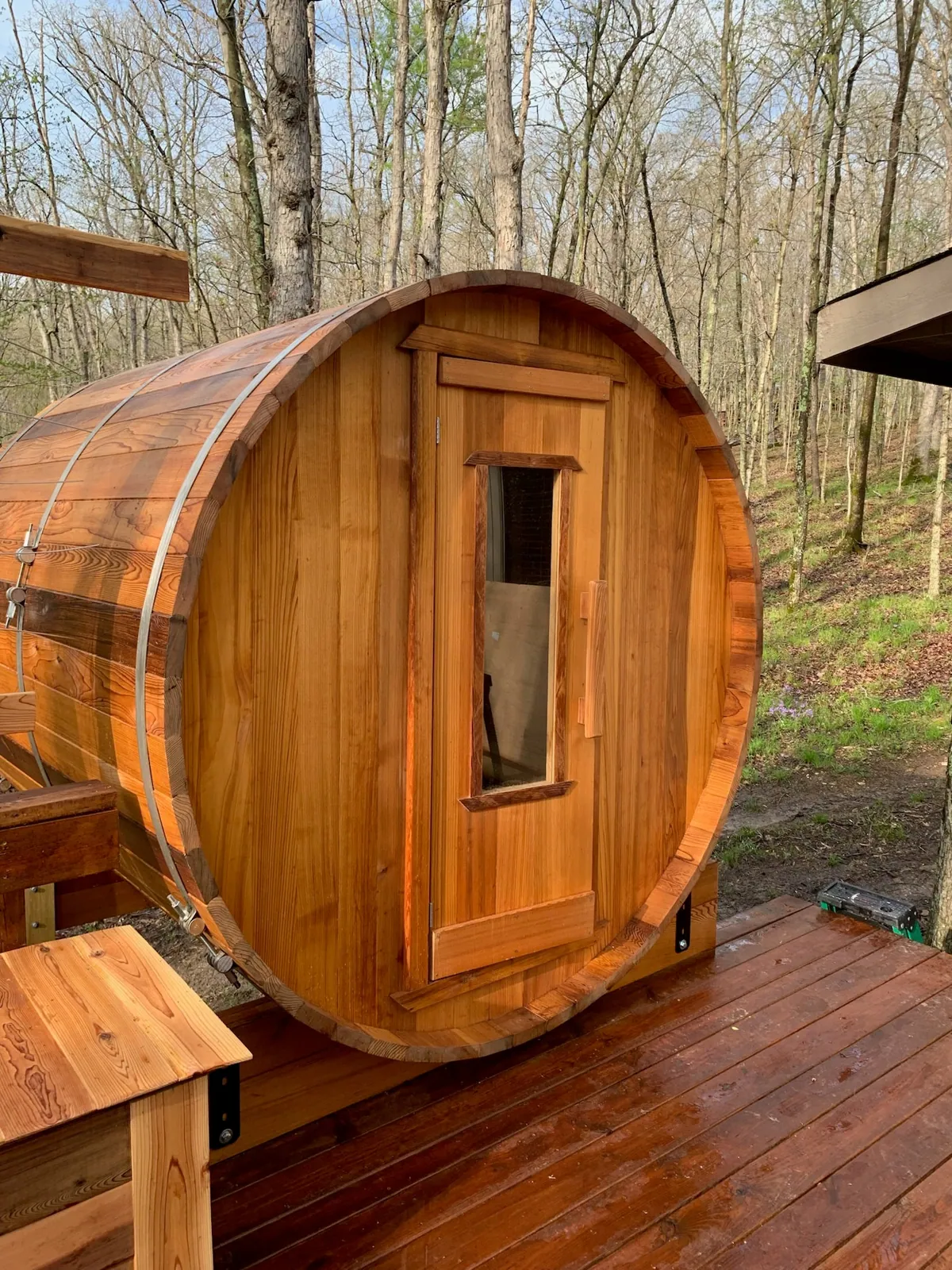
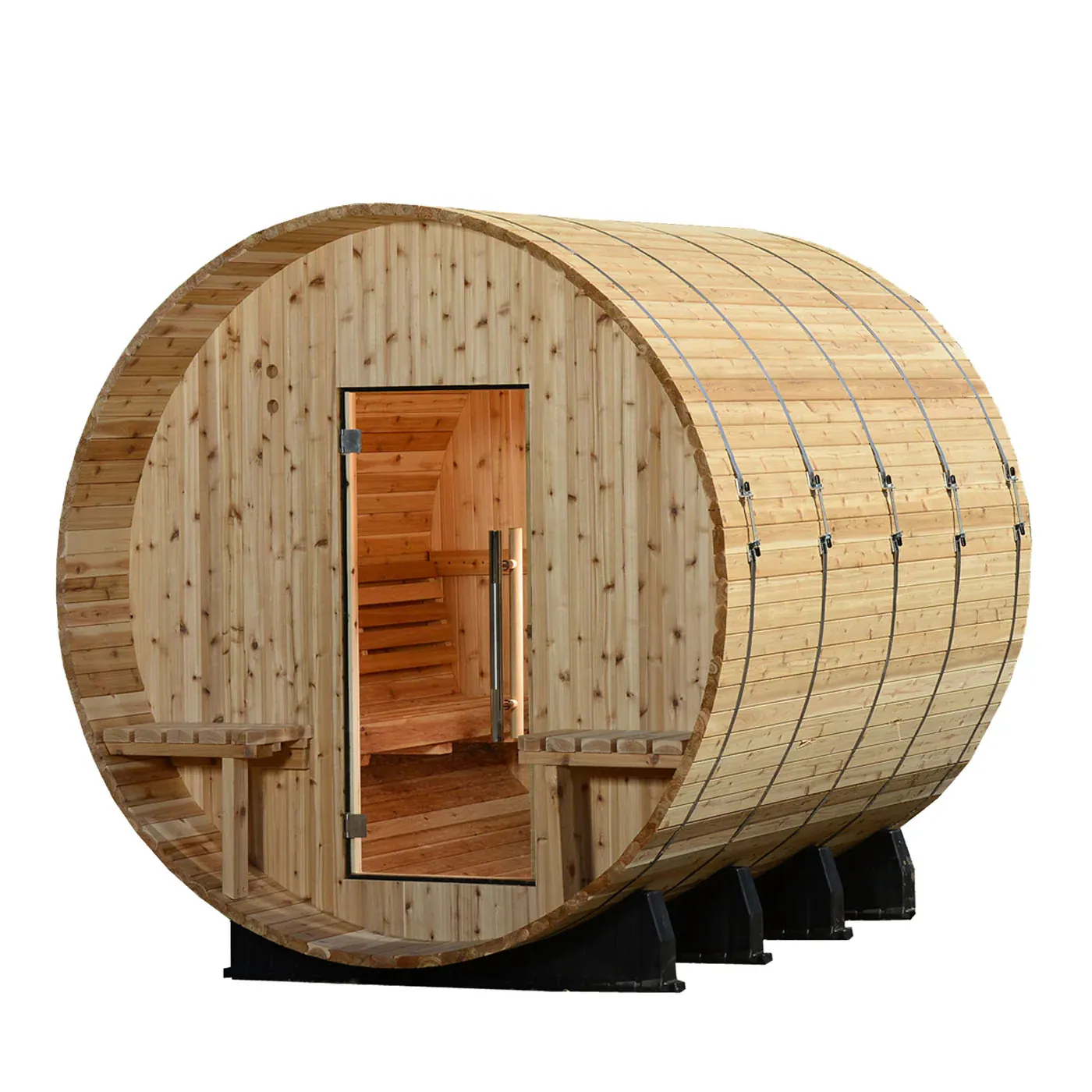
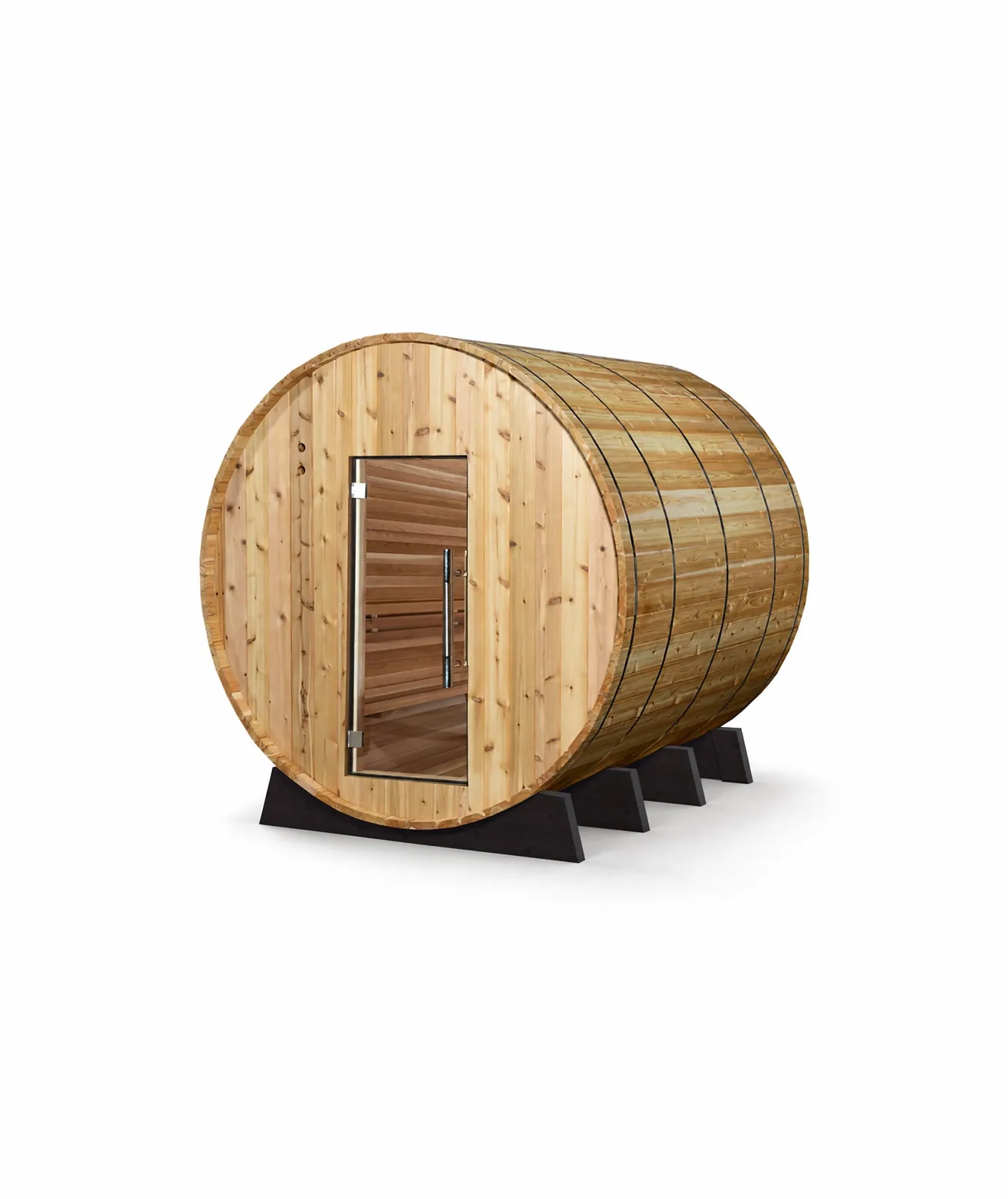
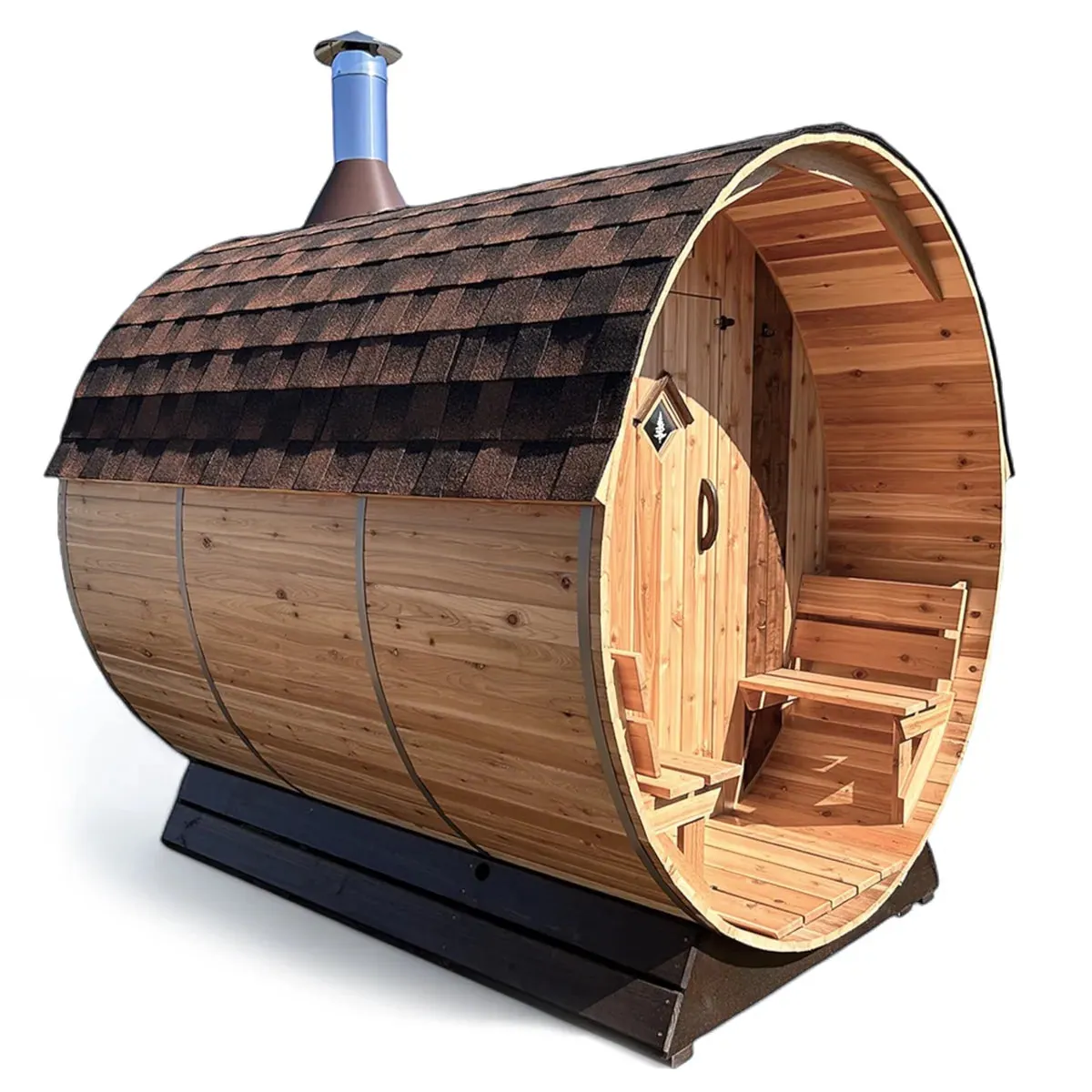
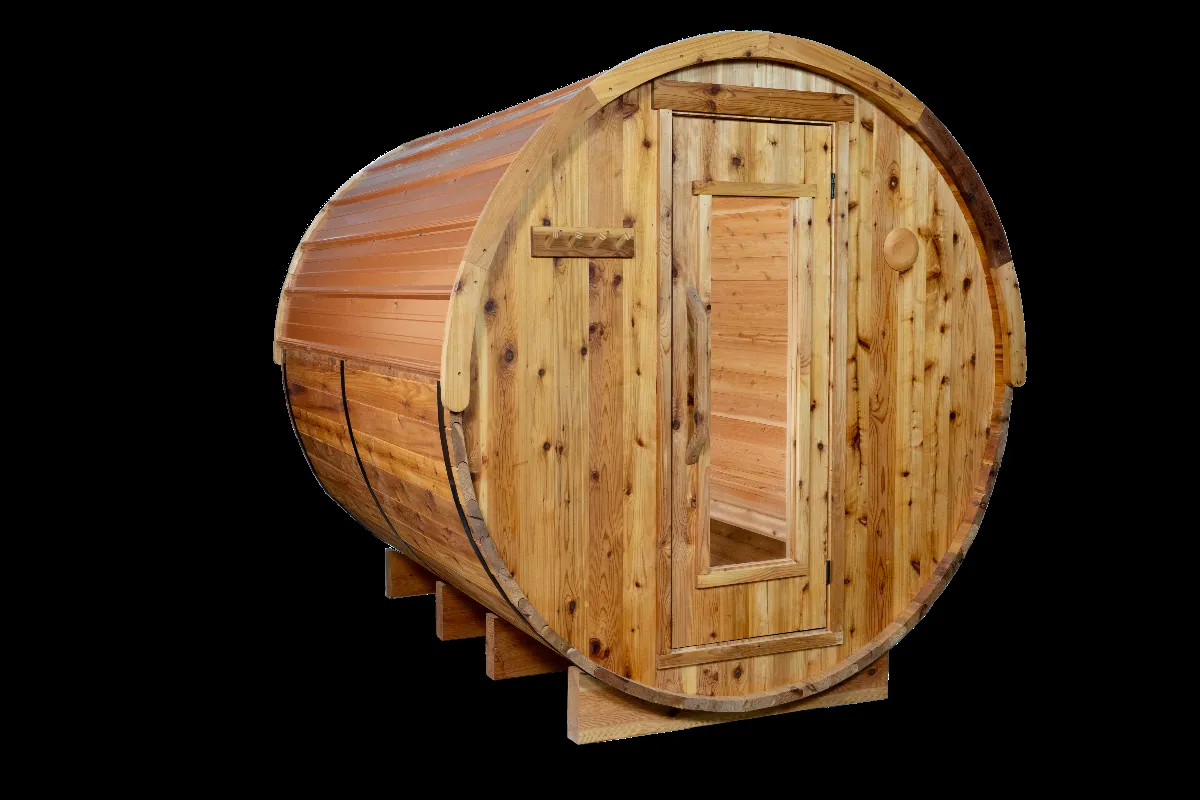
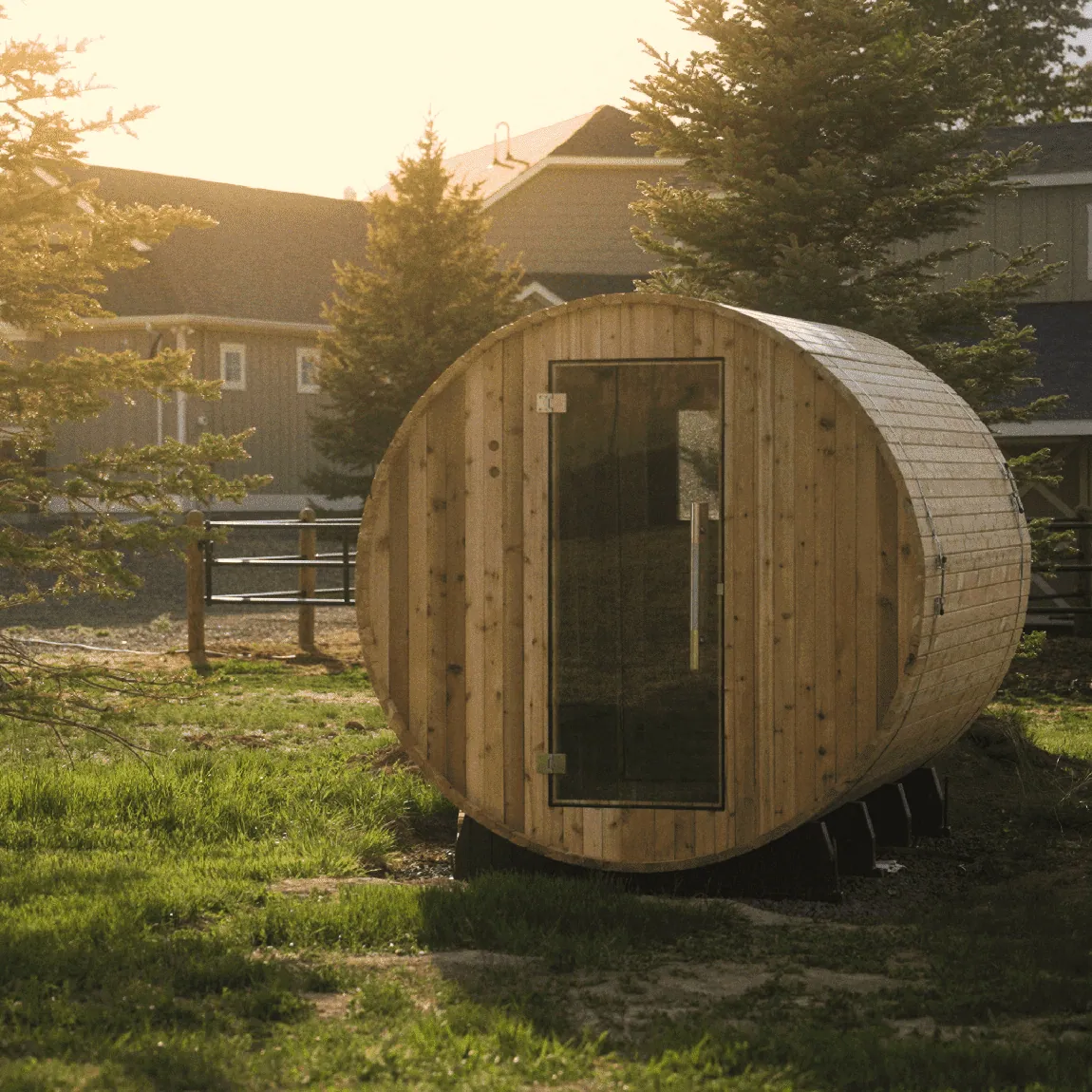
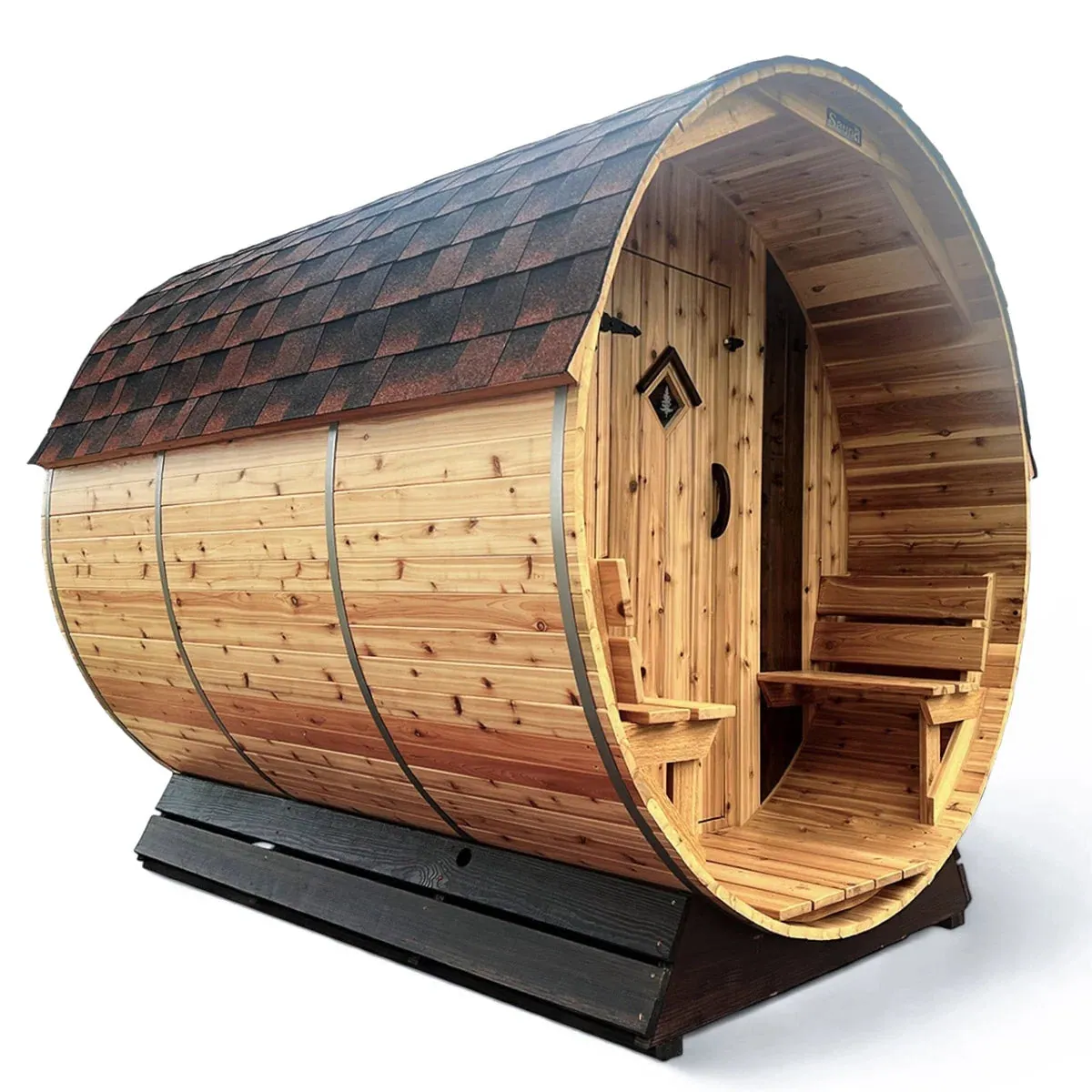
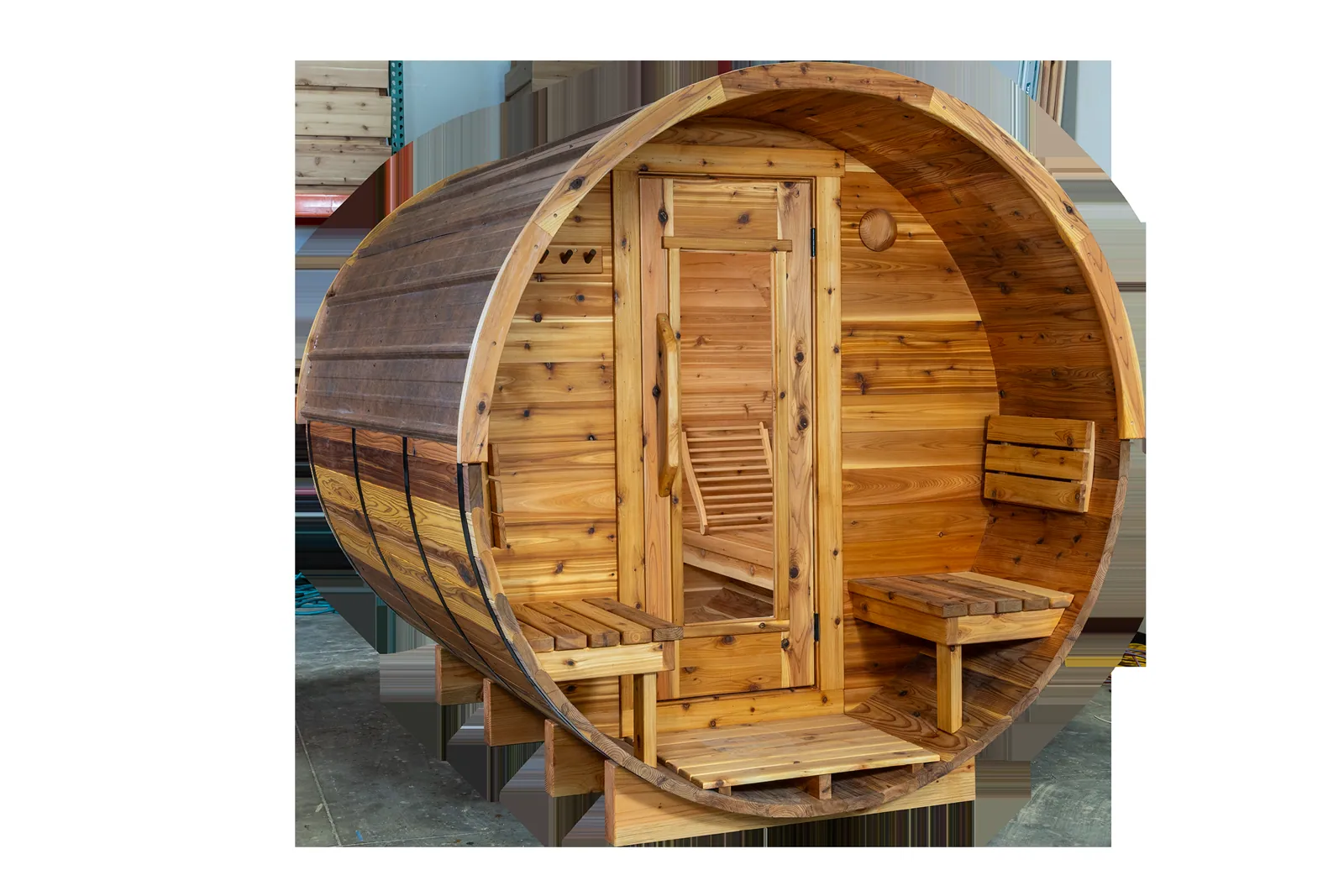
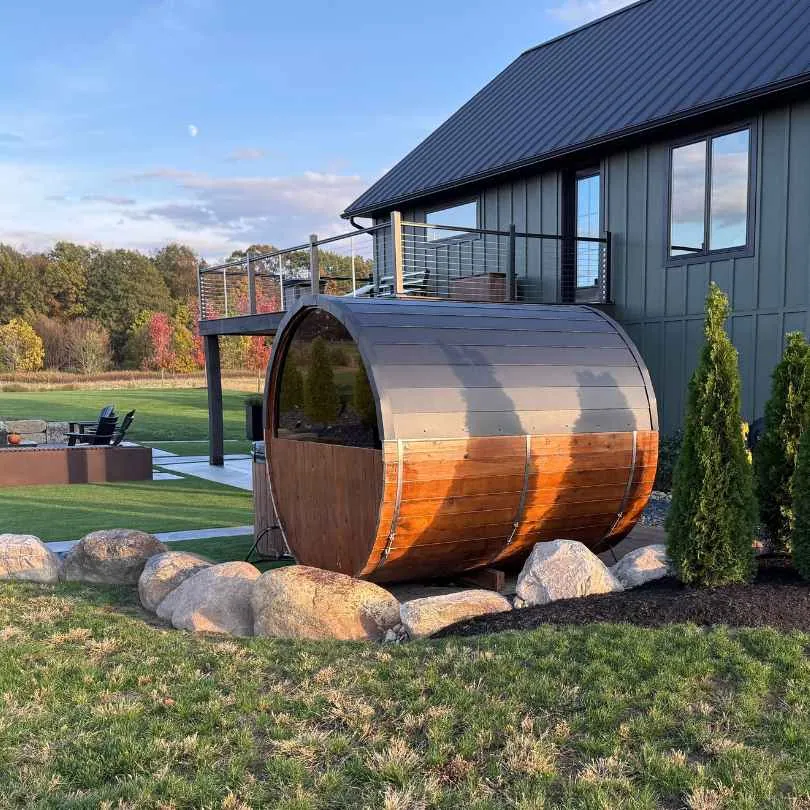
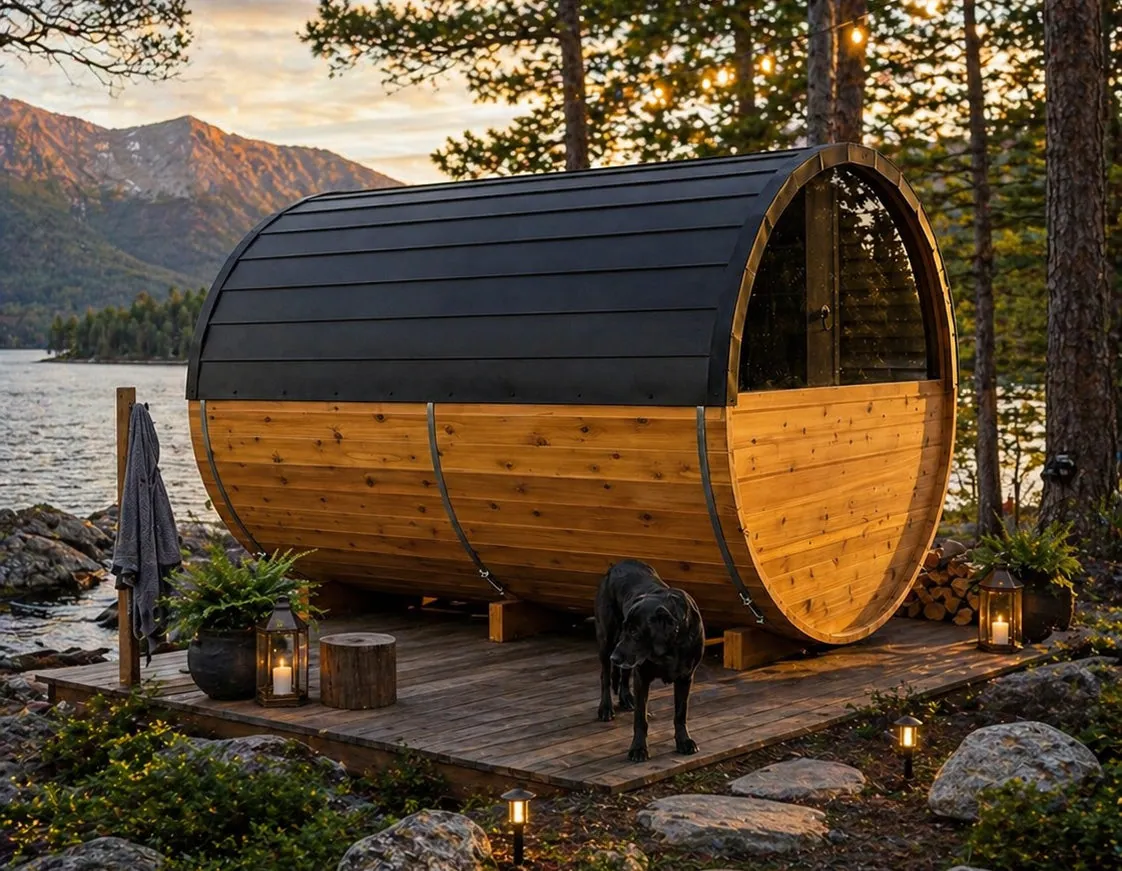
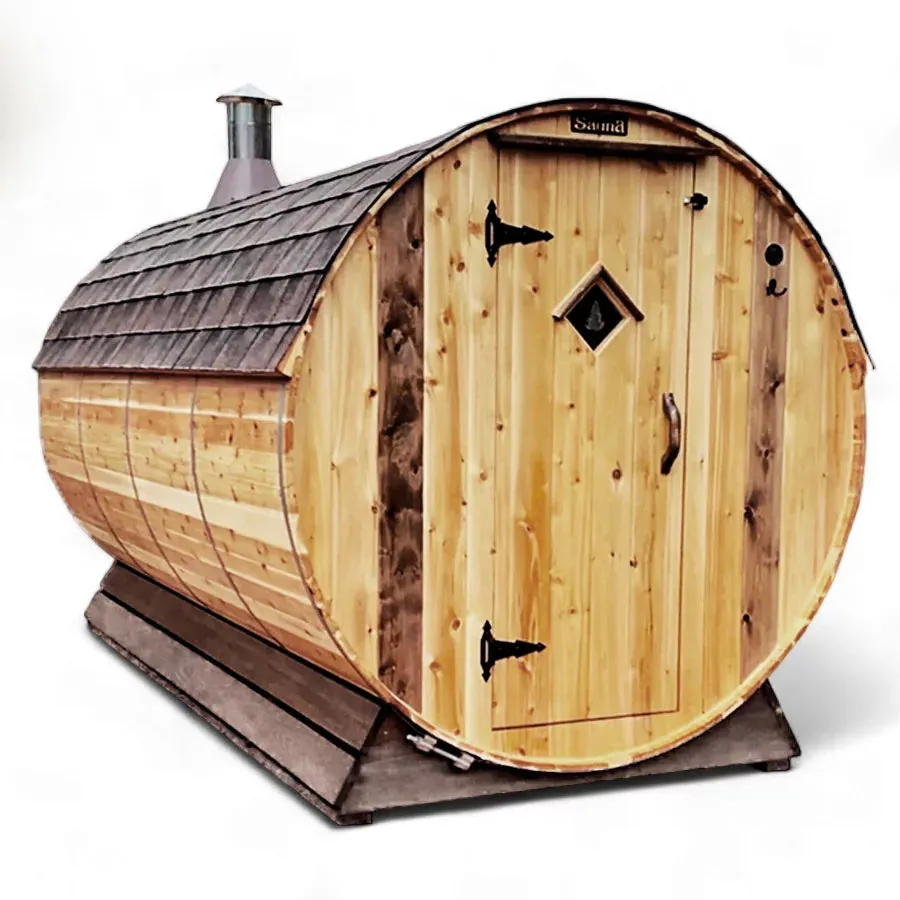
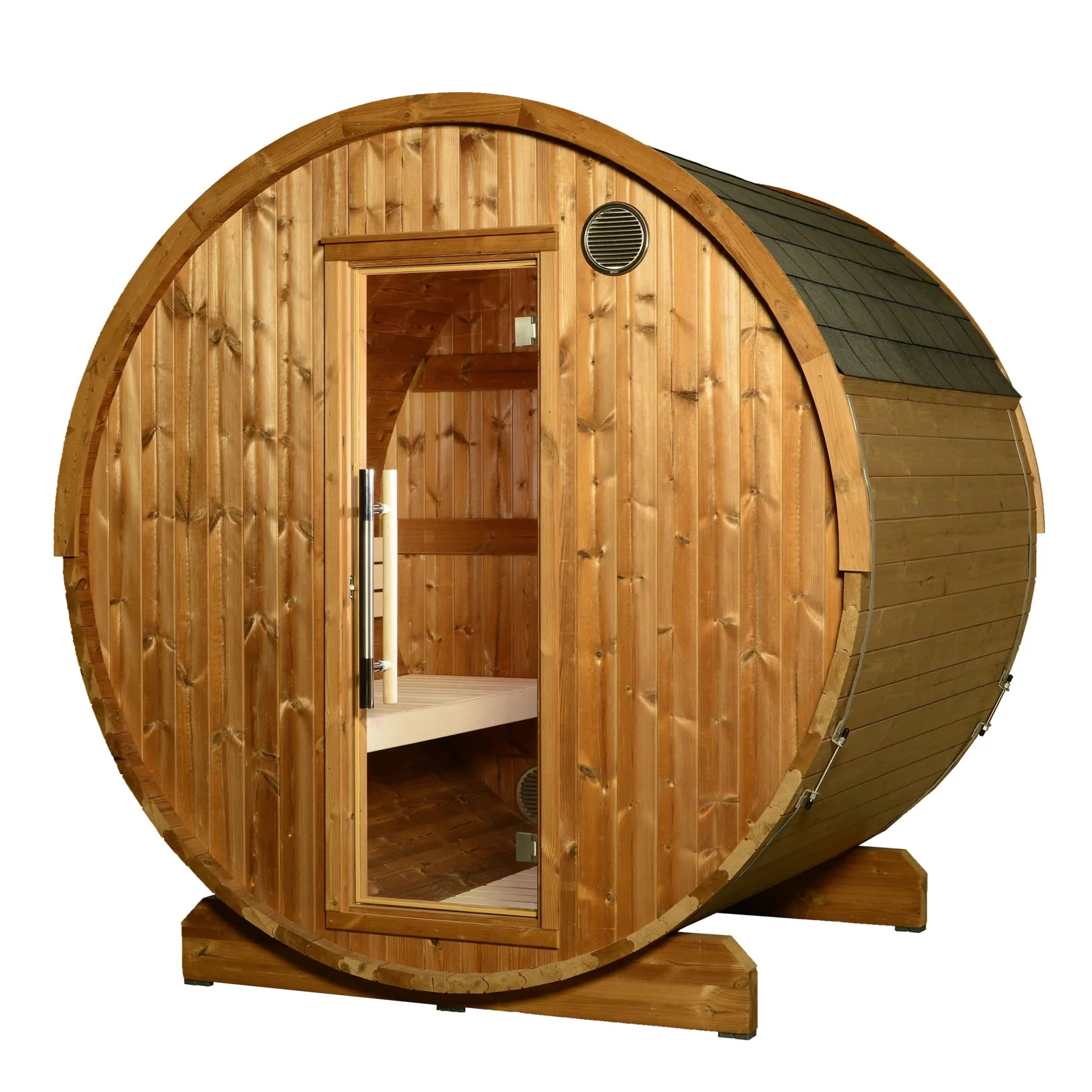
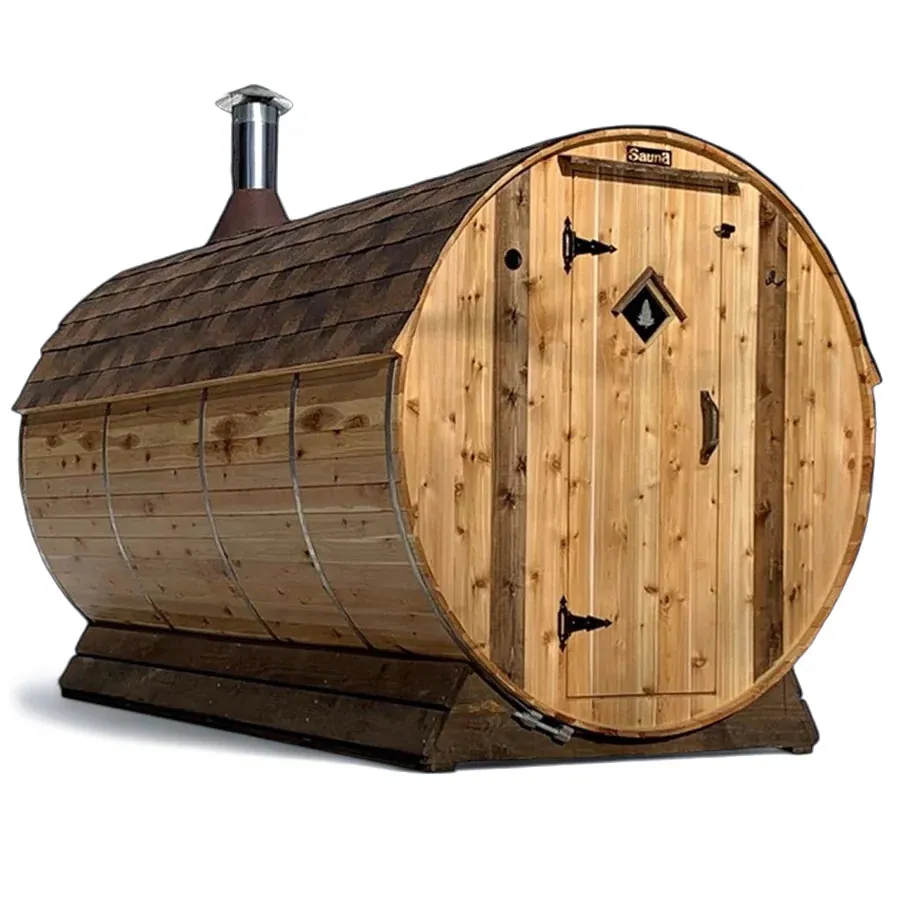
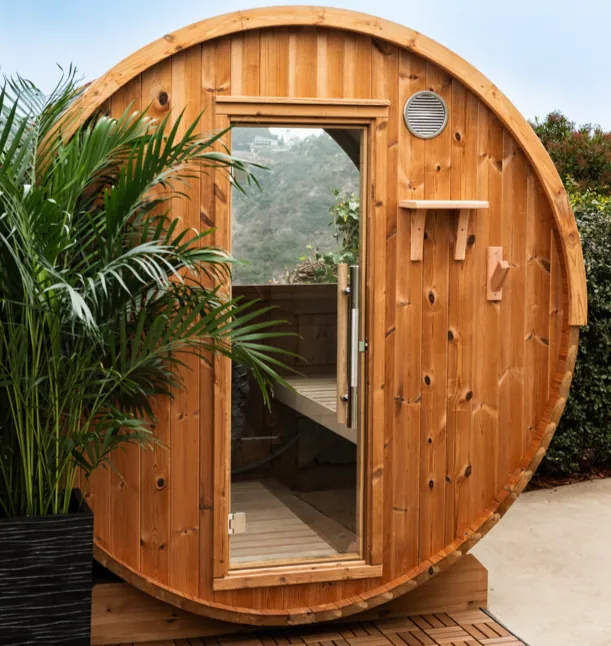
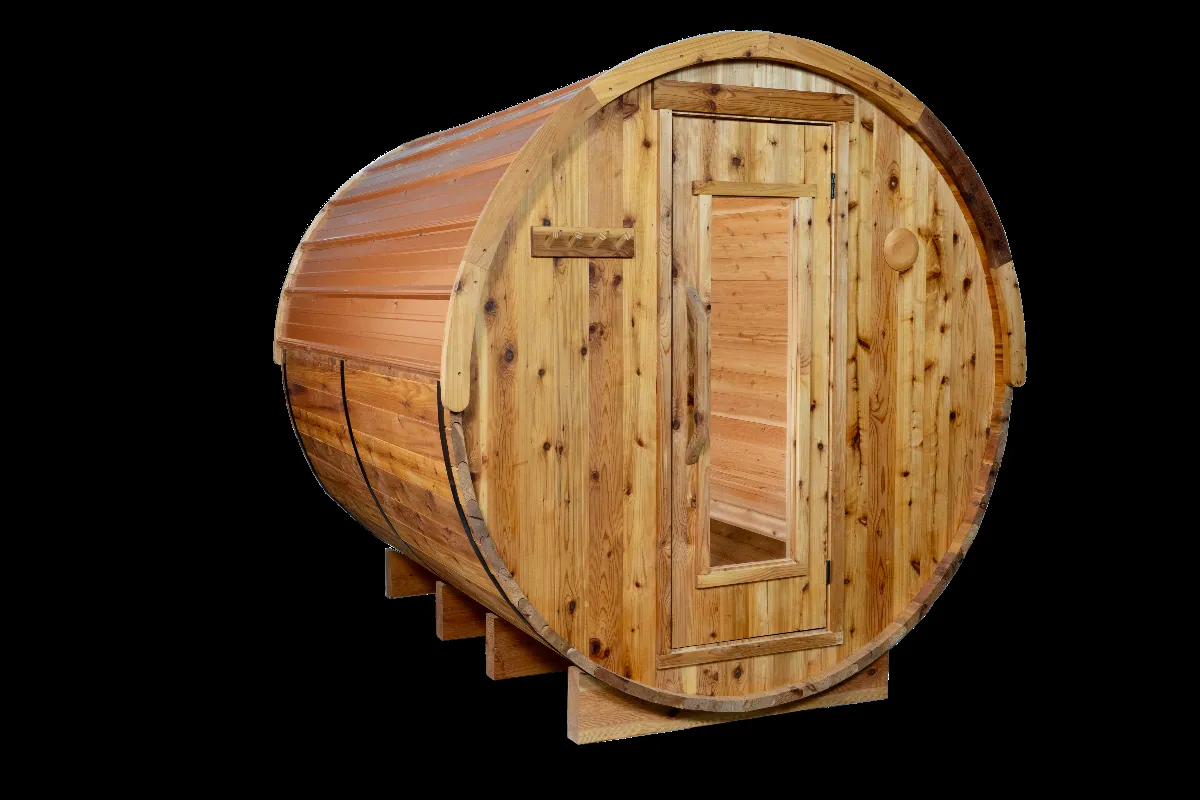
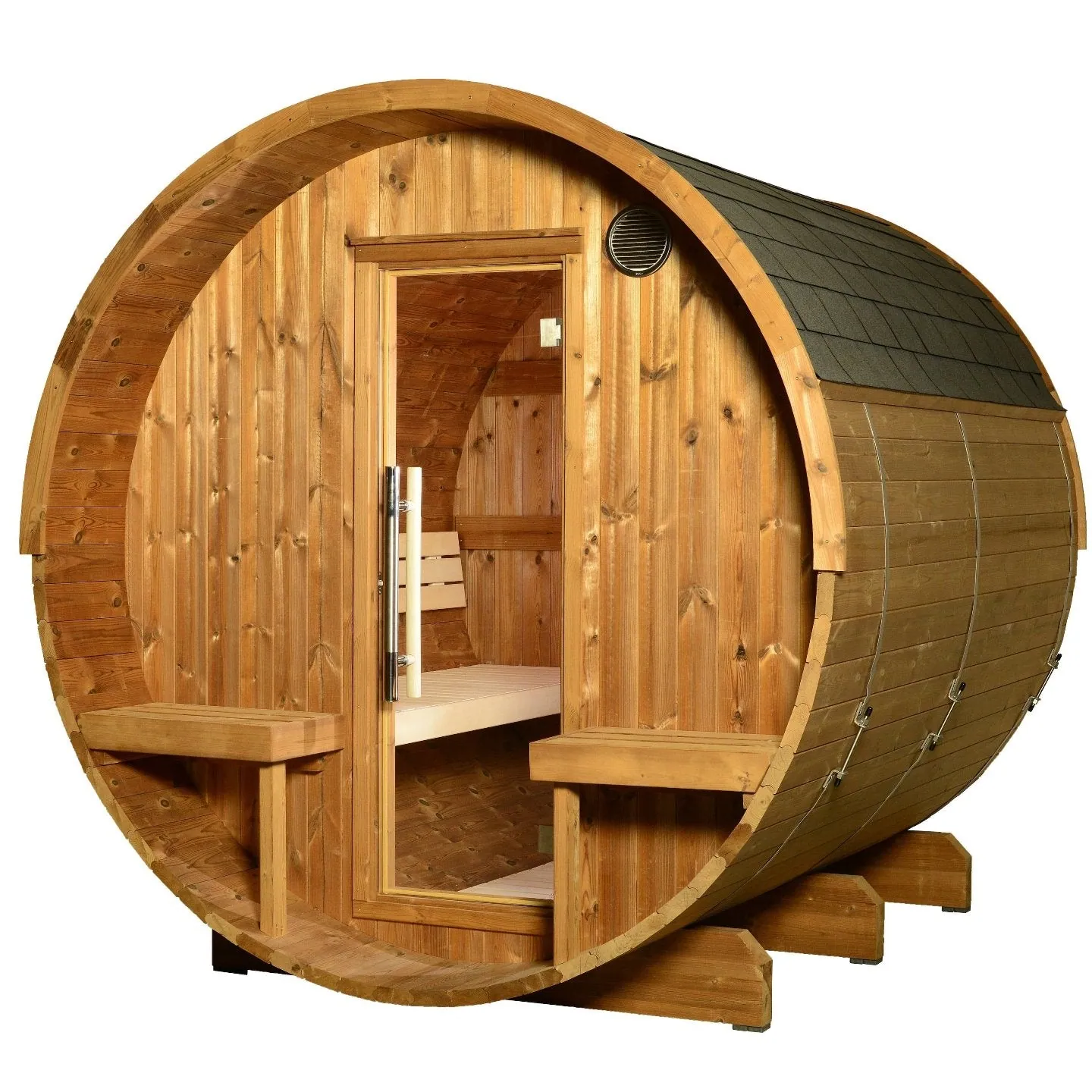
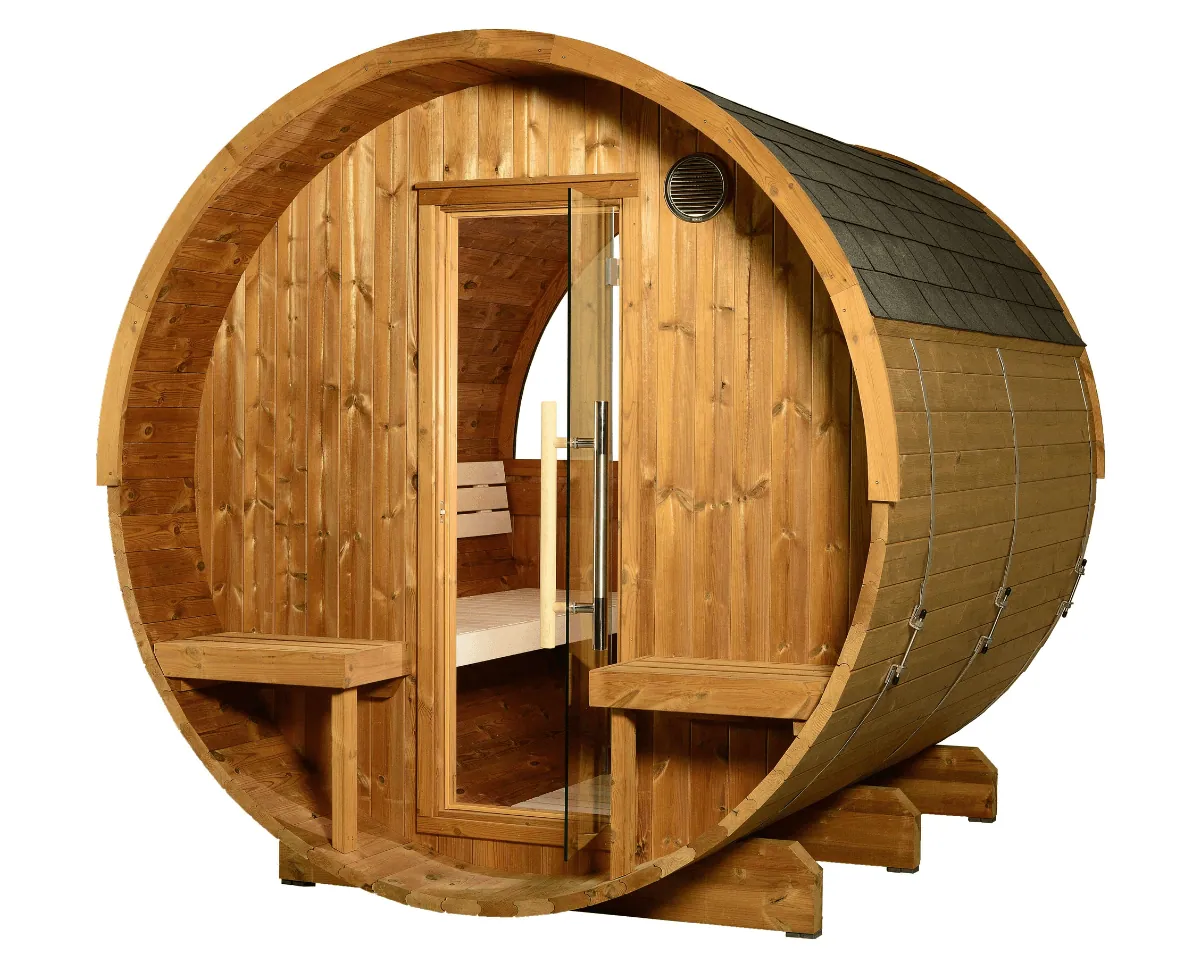
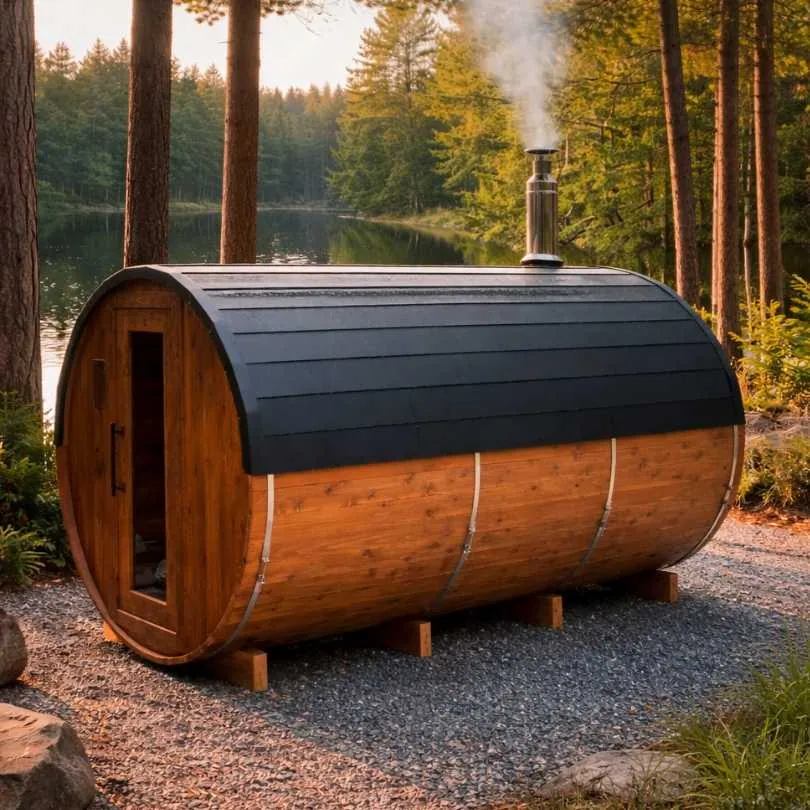
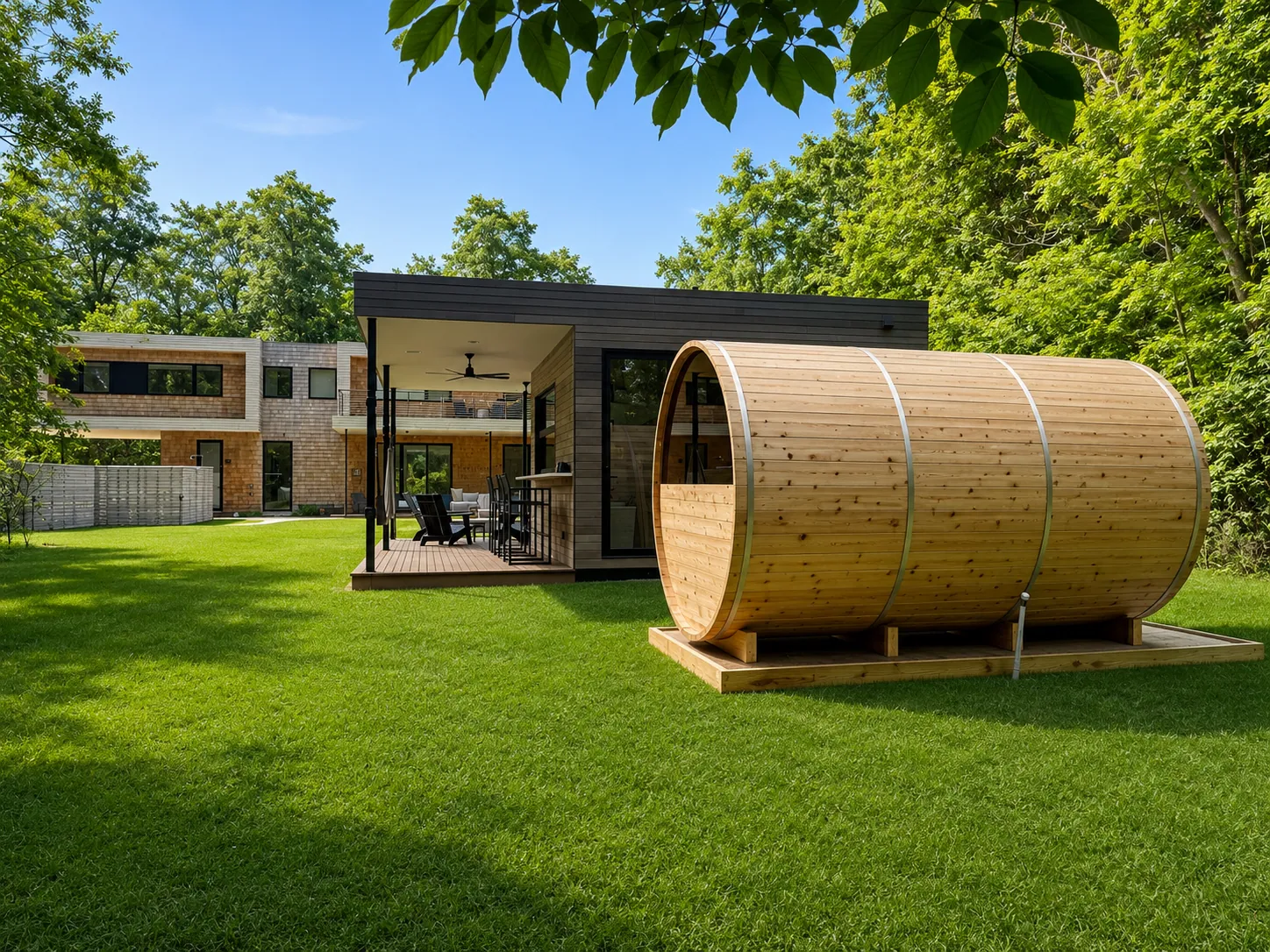
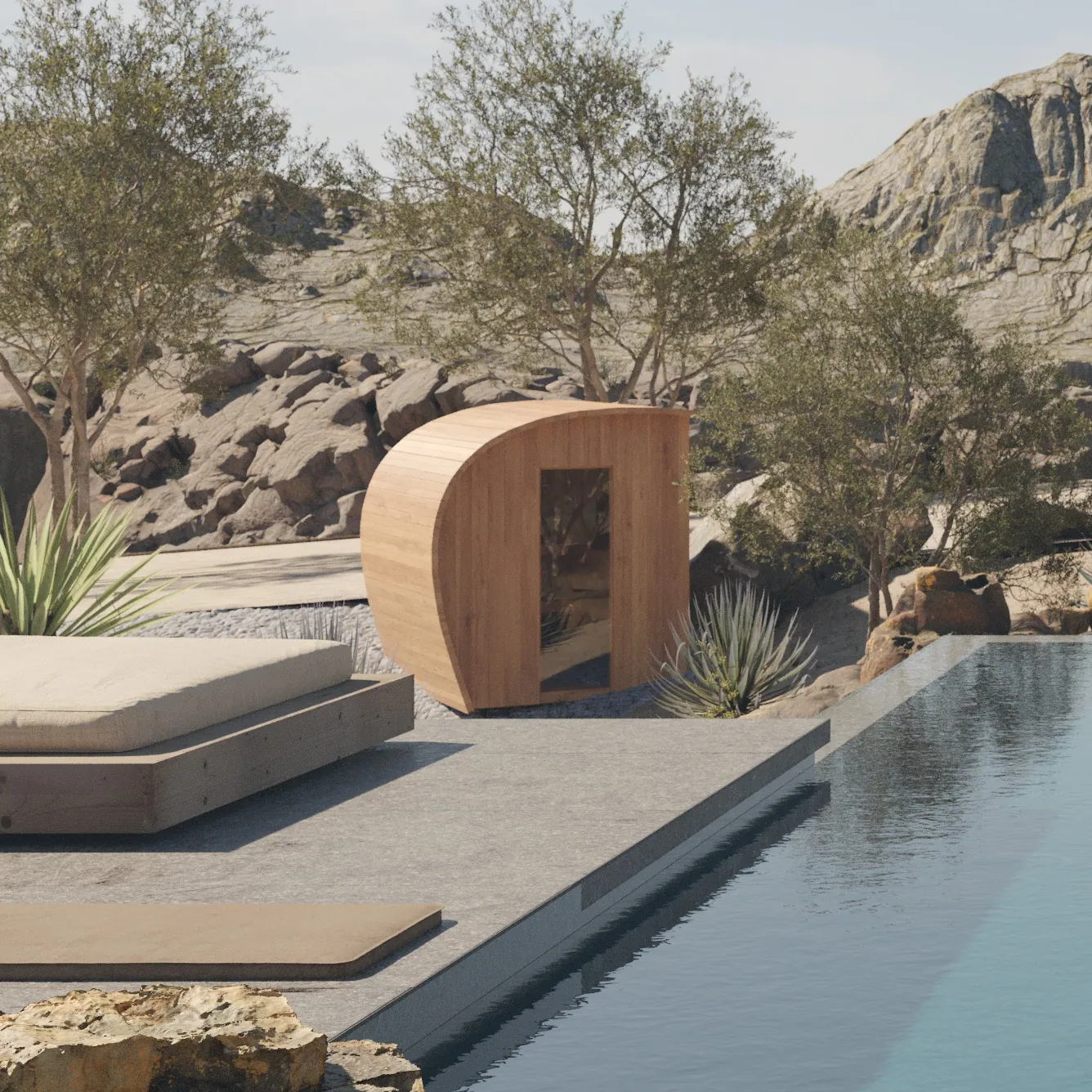
Barrel saunas are the most popular outdoor shape for a reason. The round profile cuts the volume of air the heater has to warm, so a barrel tends to heat faster than a square room with the same bench length, and the staves are held together by steel bands that let the wood swell and shrink with the seasons. The trade off is headroom at the sides and a curved floor unless the model has a flat bottom.
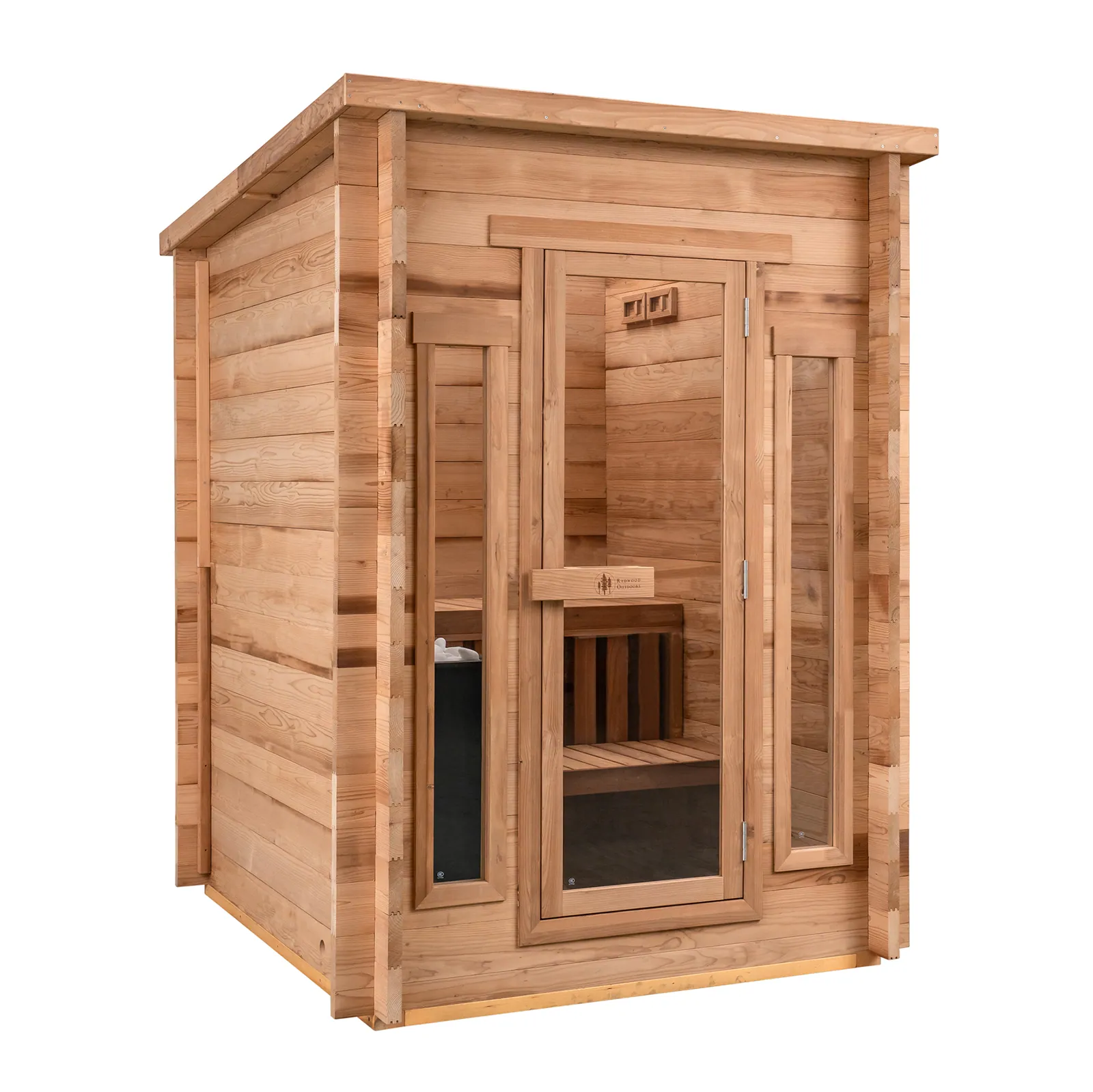
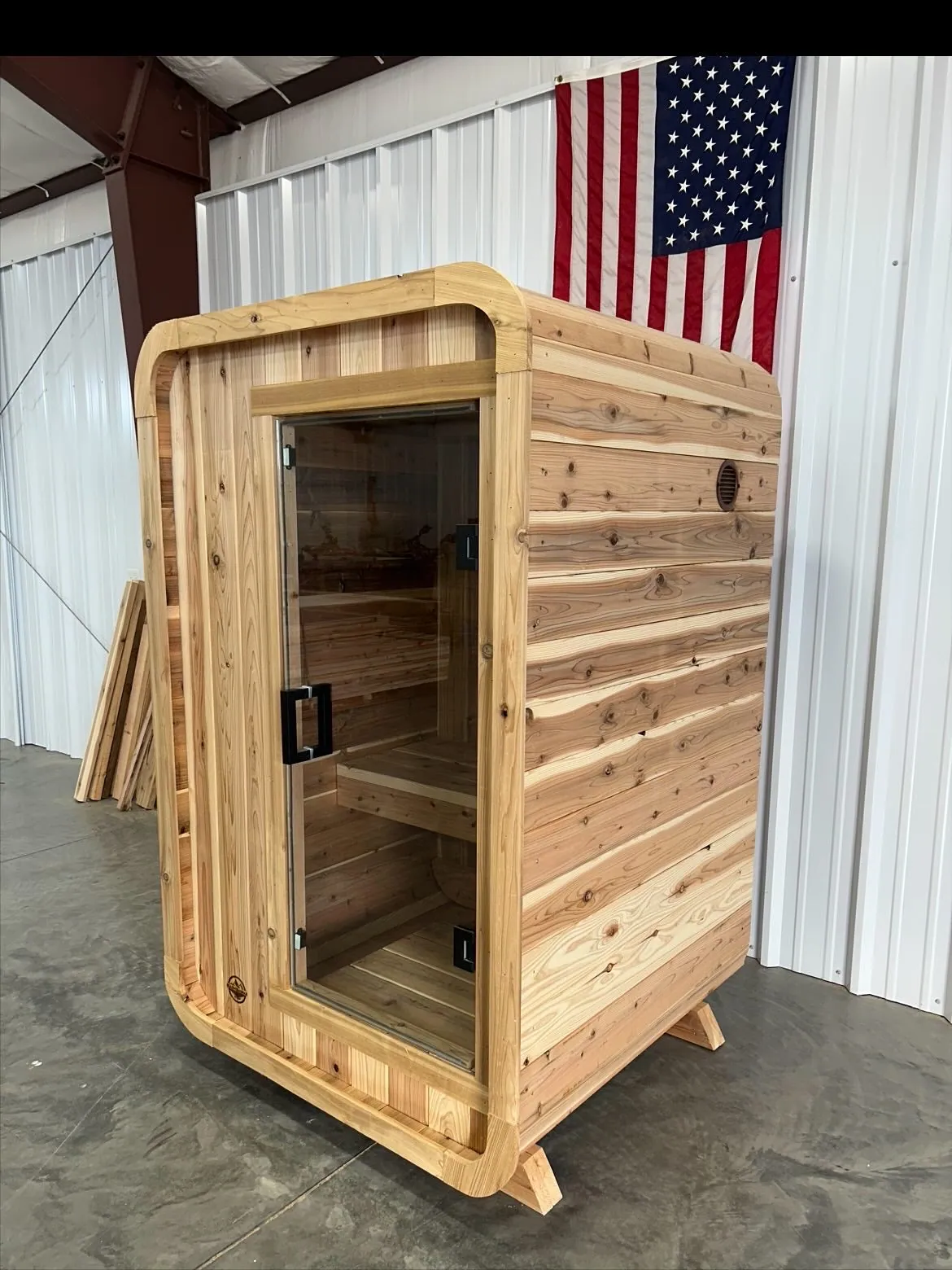
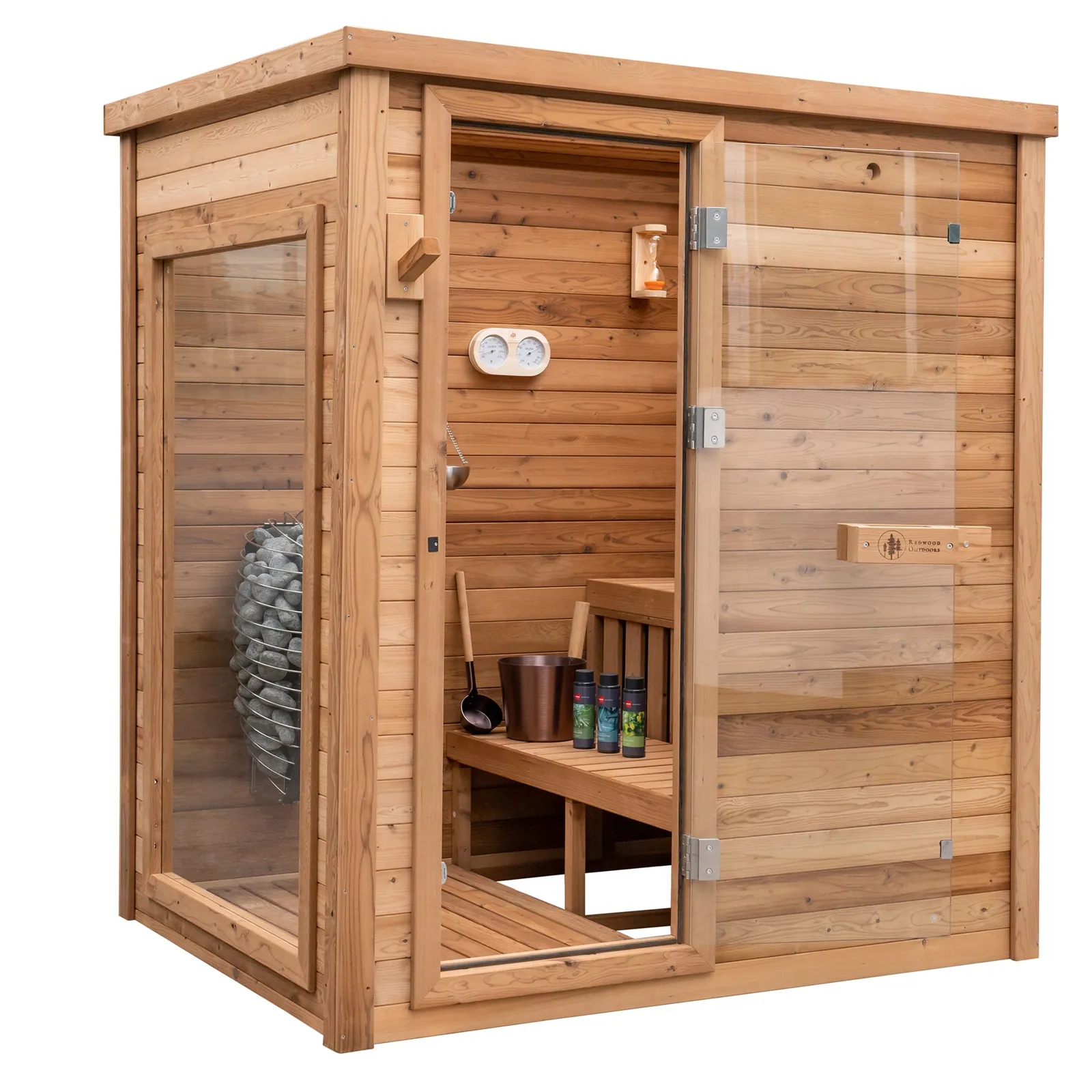
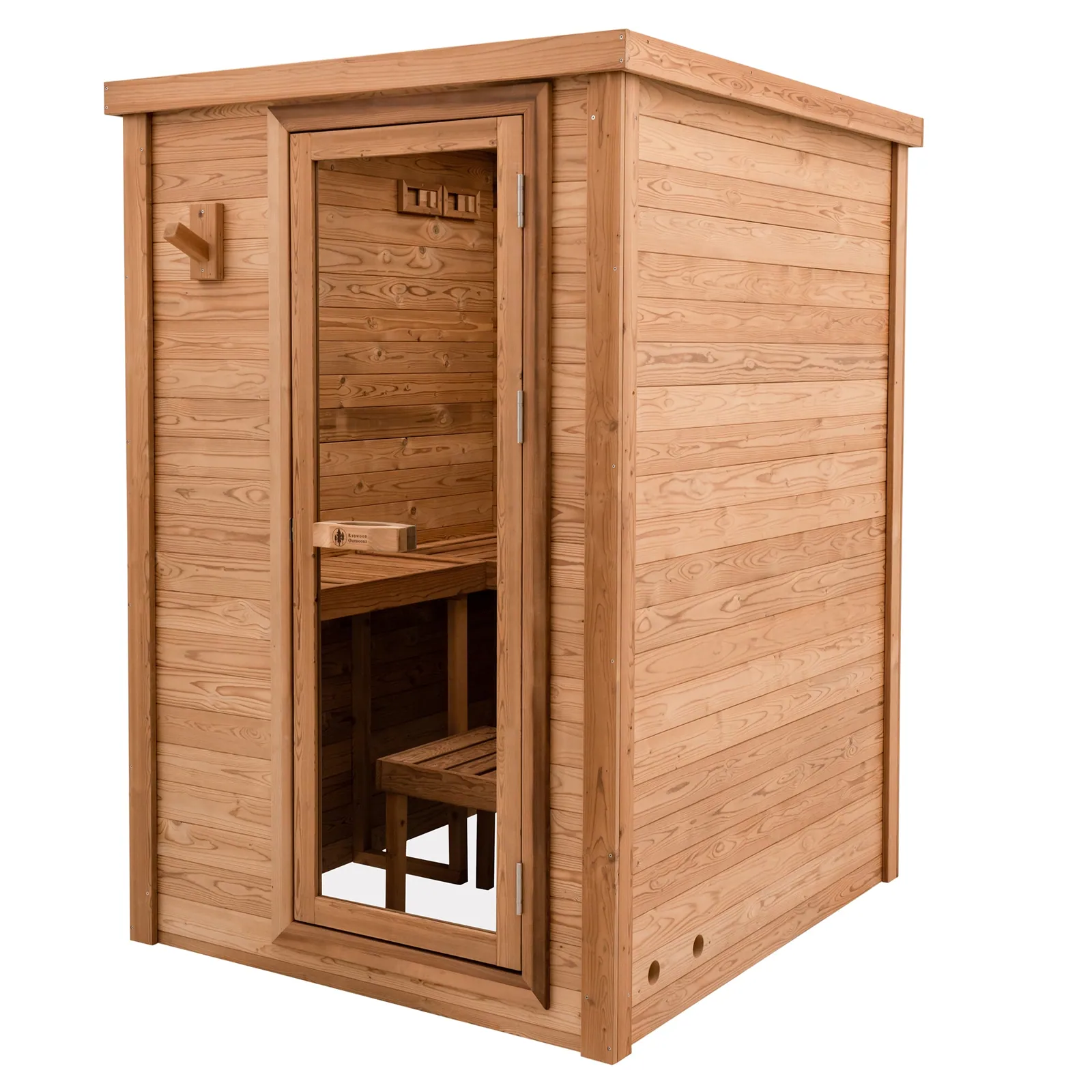
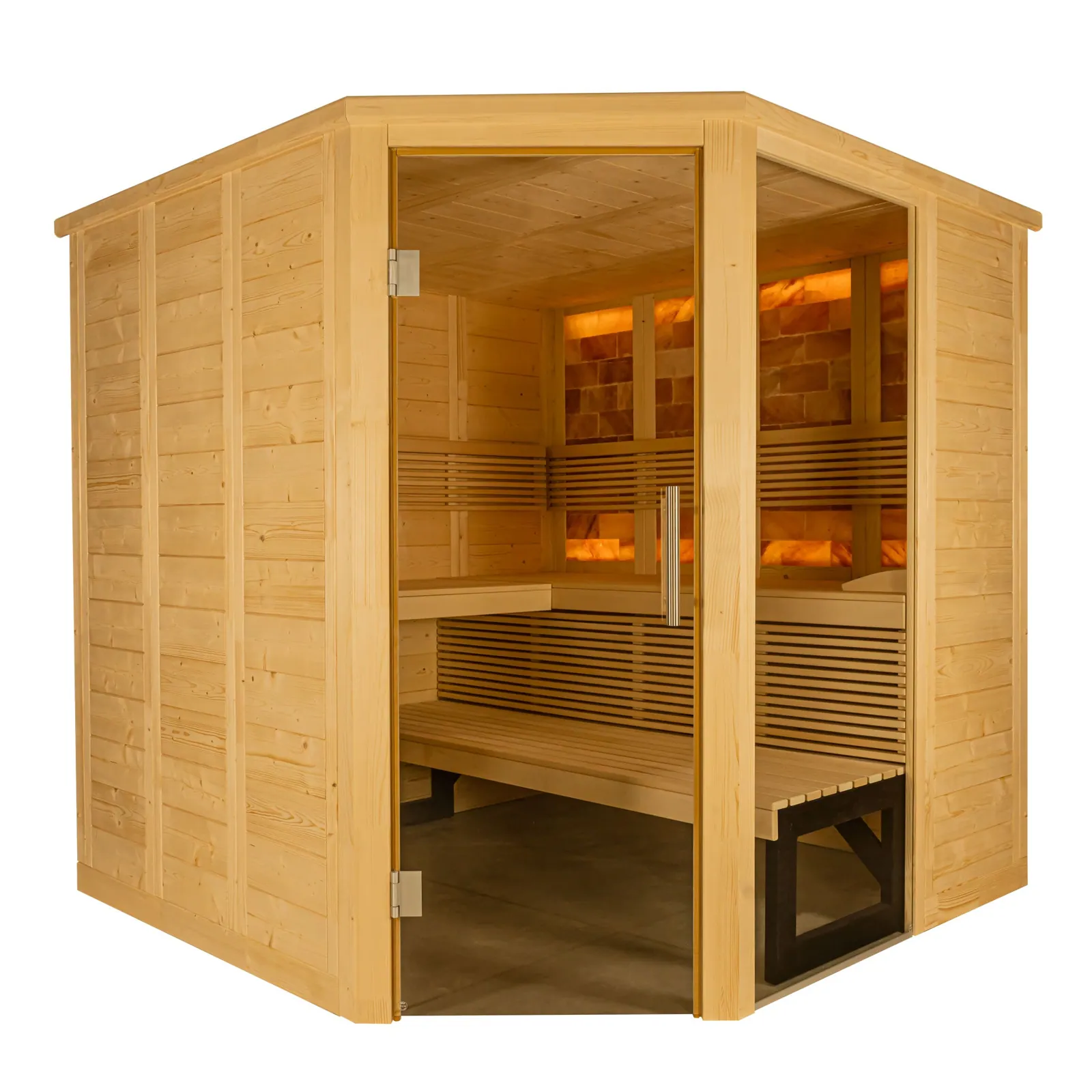
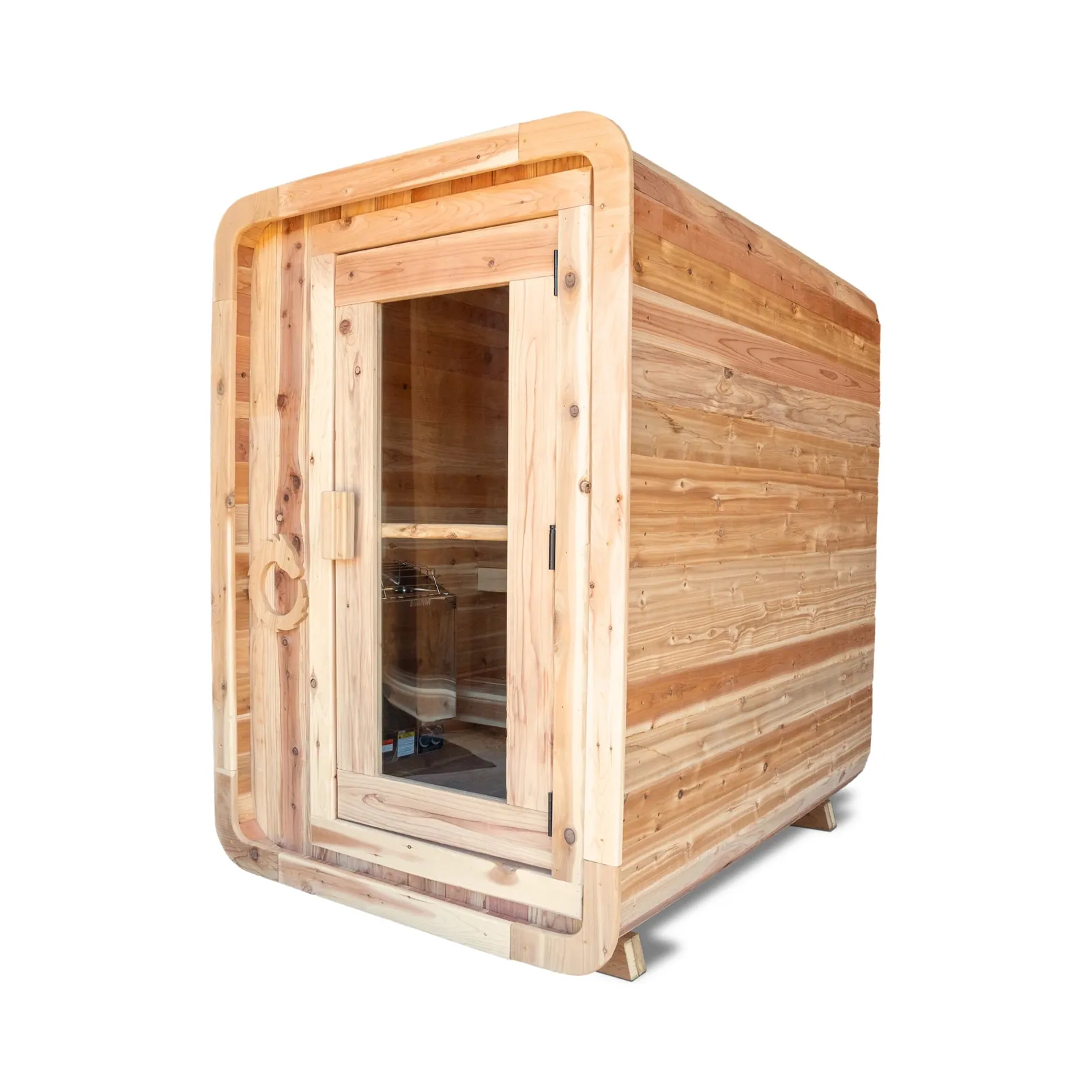
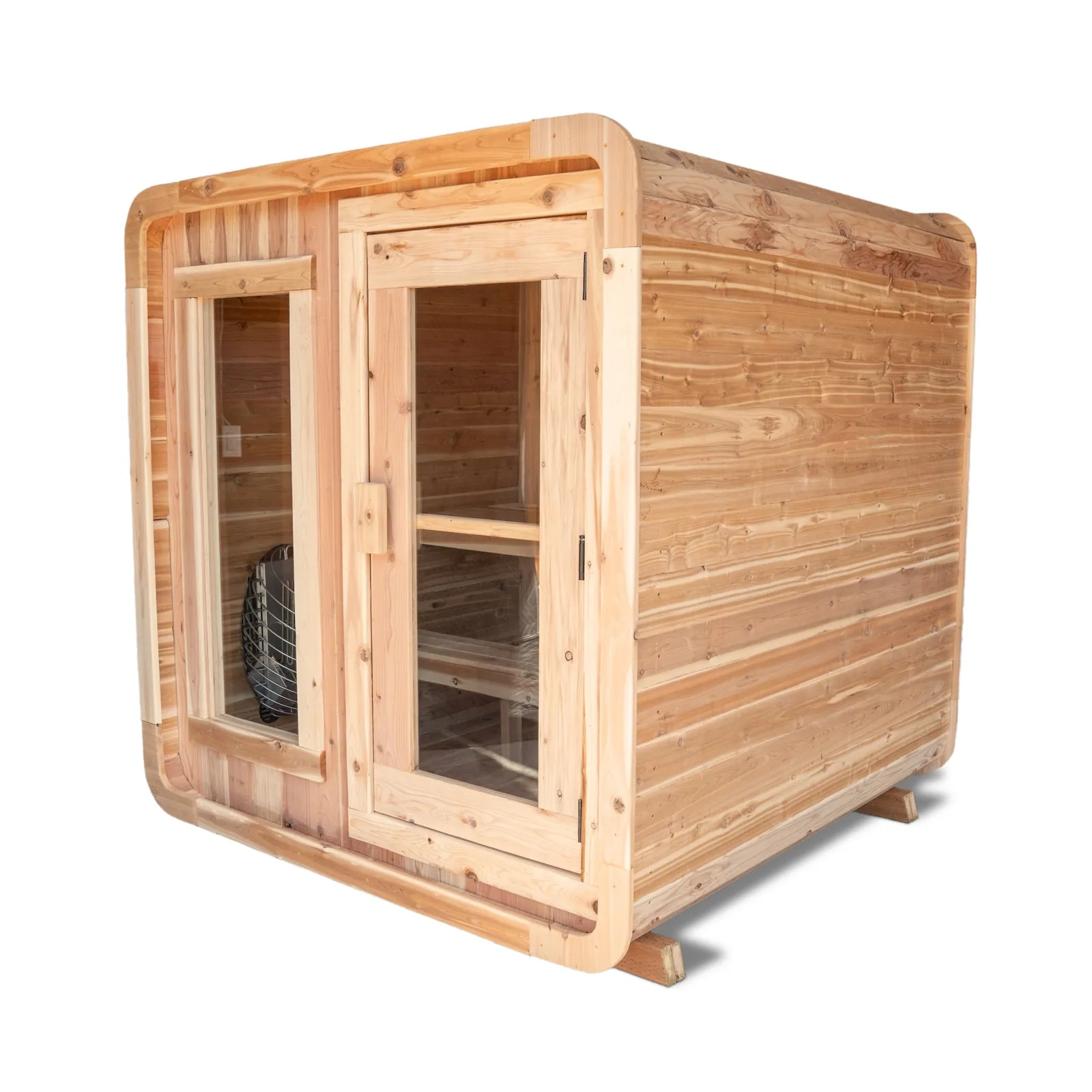
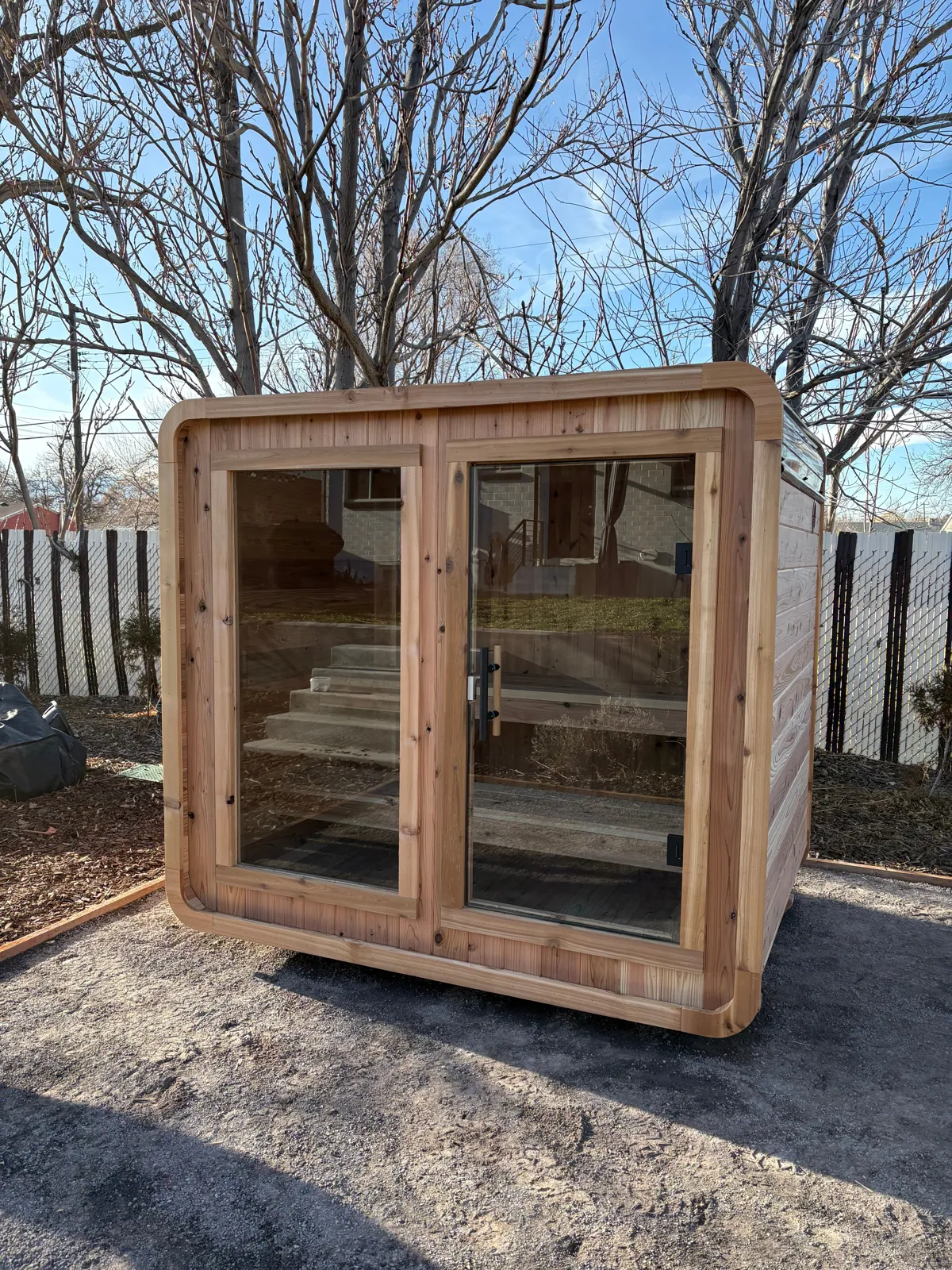
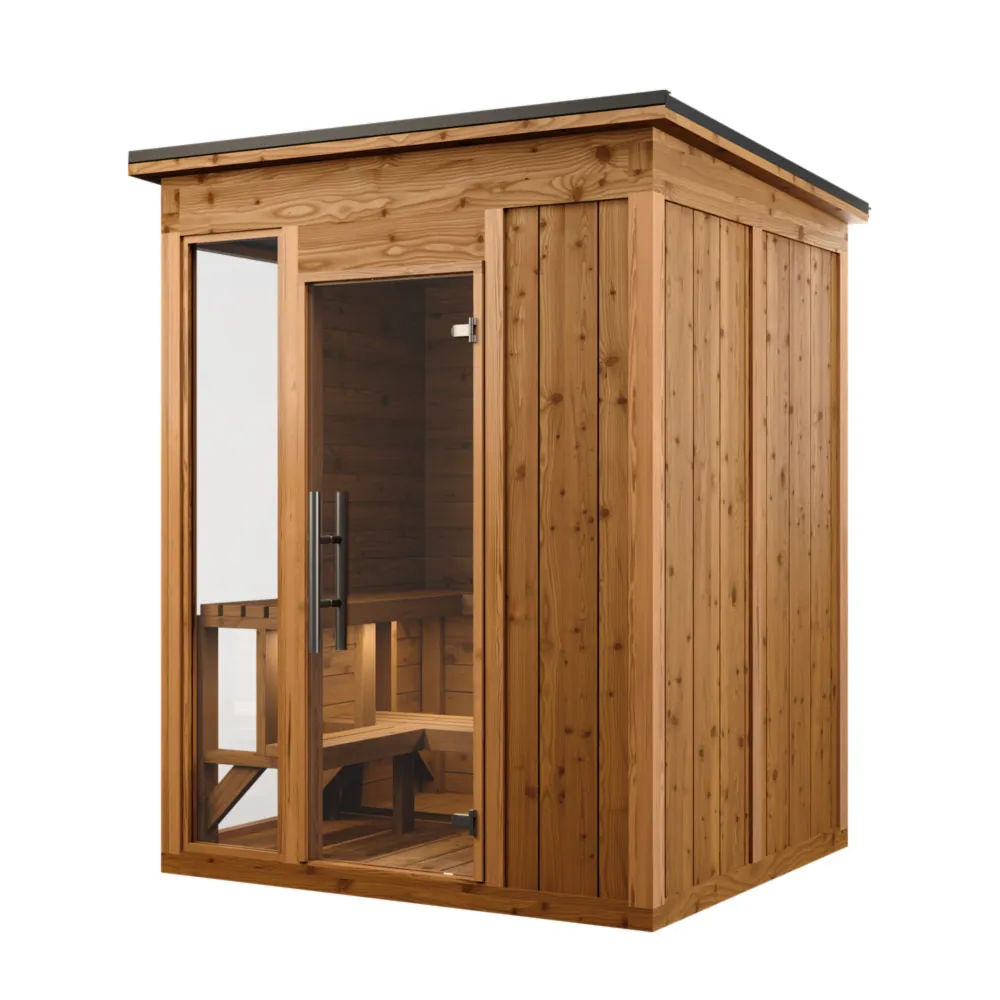
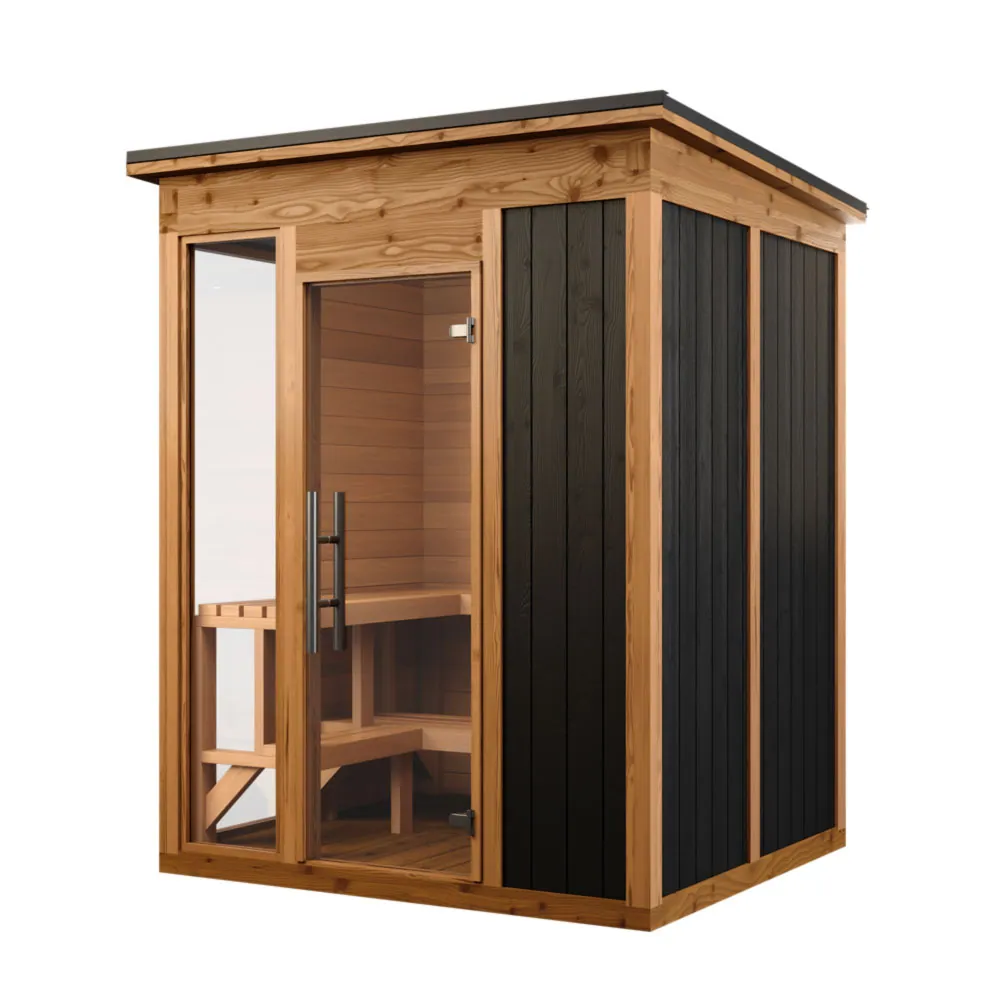
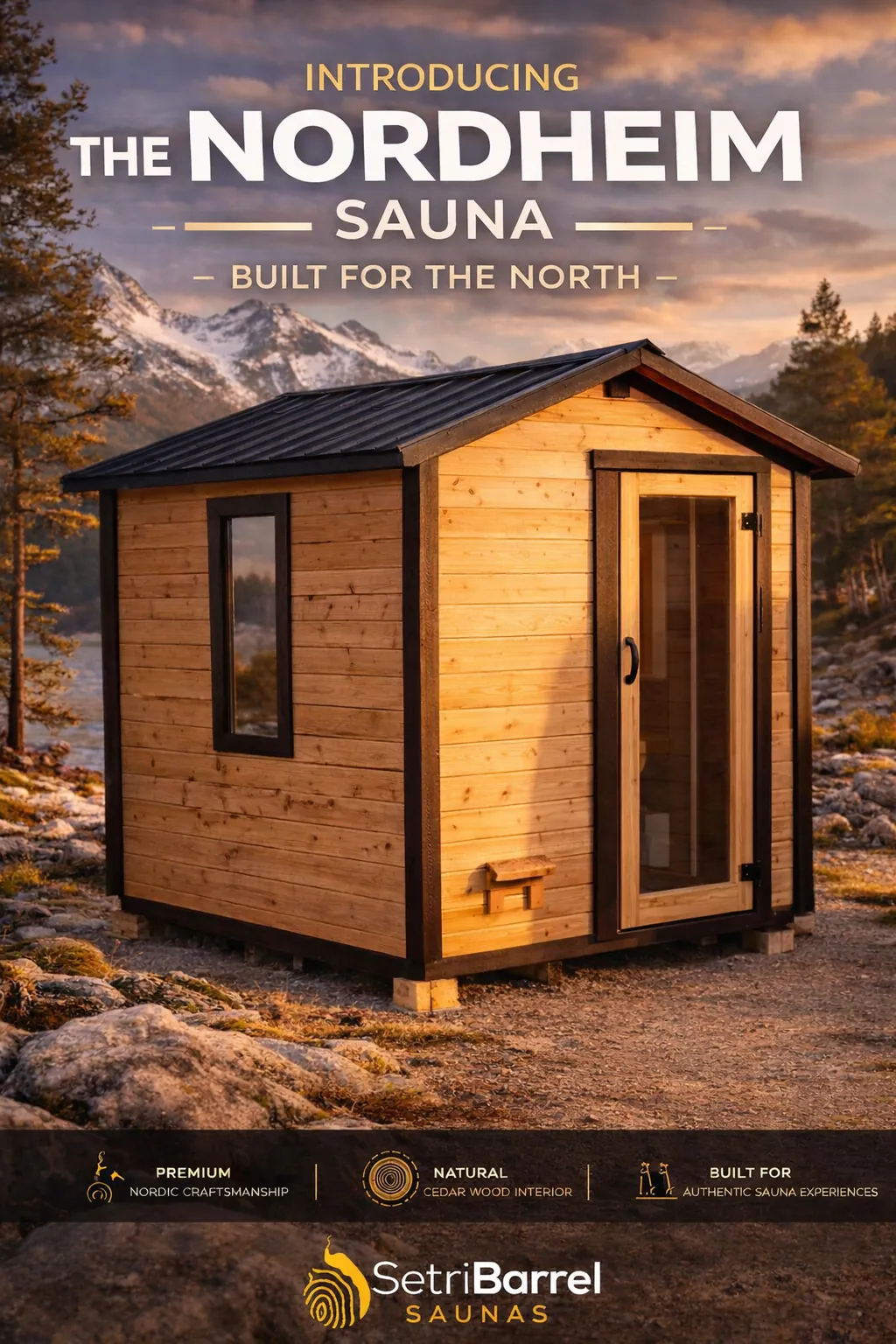
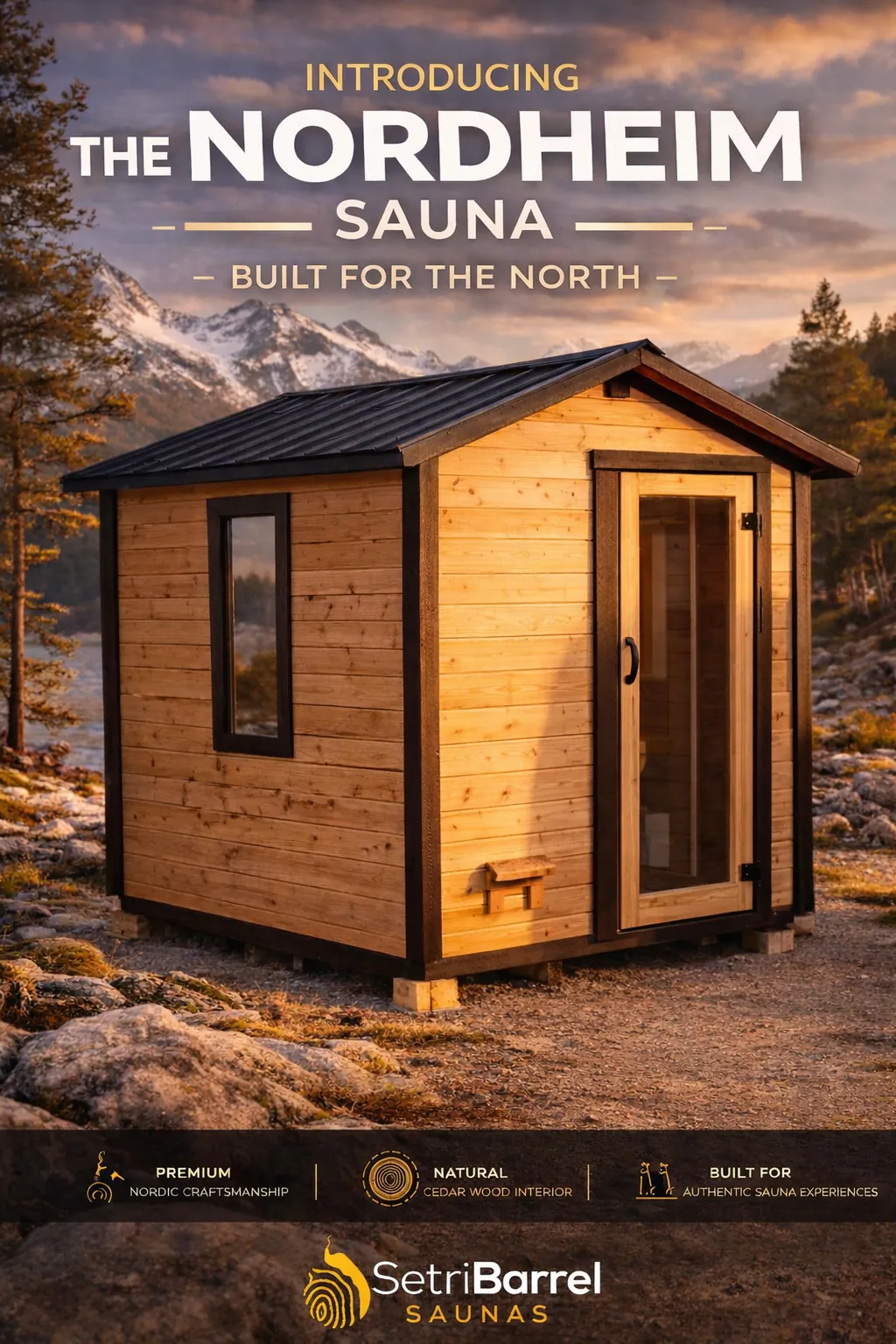
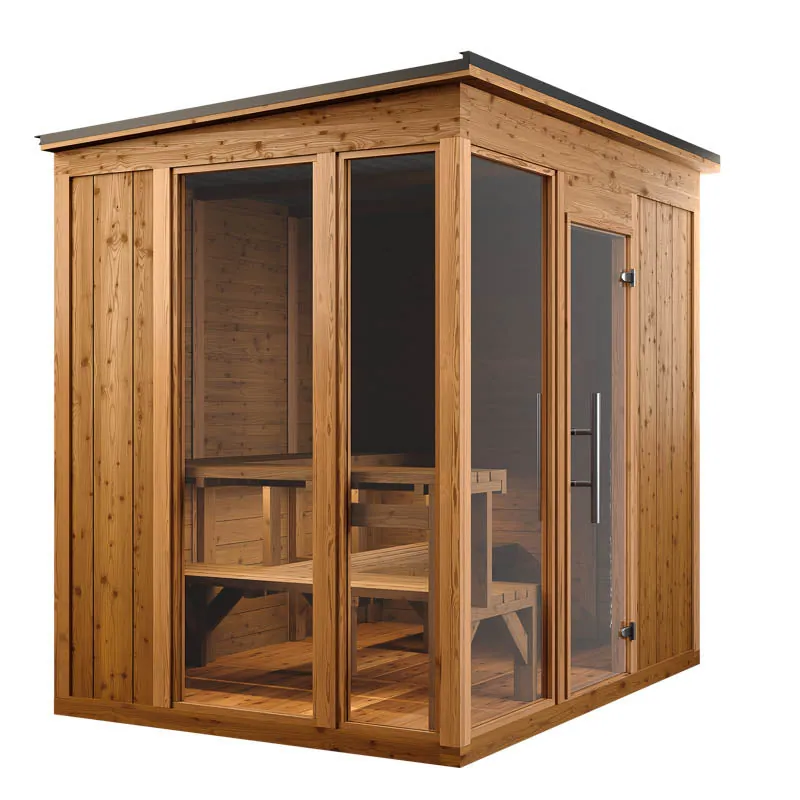
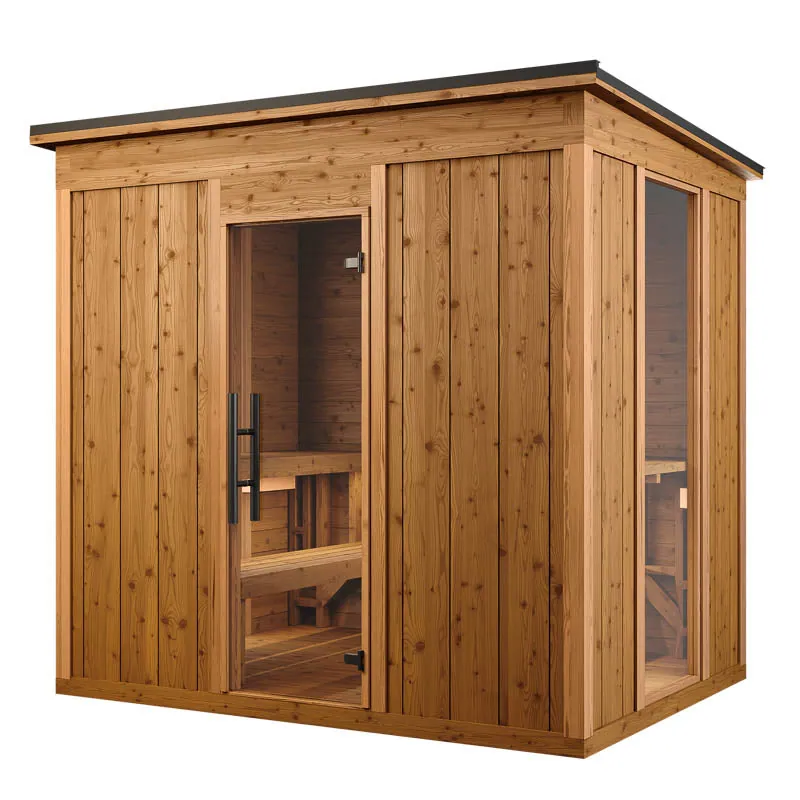
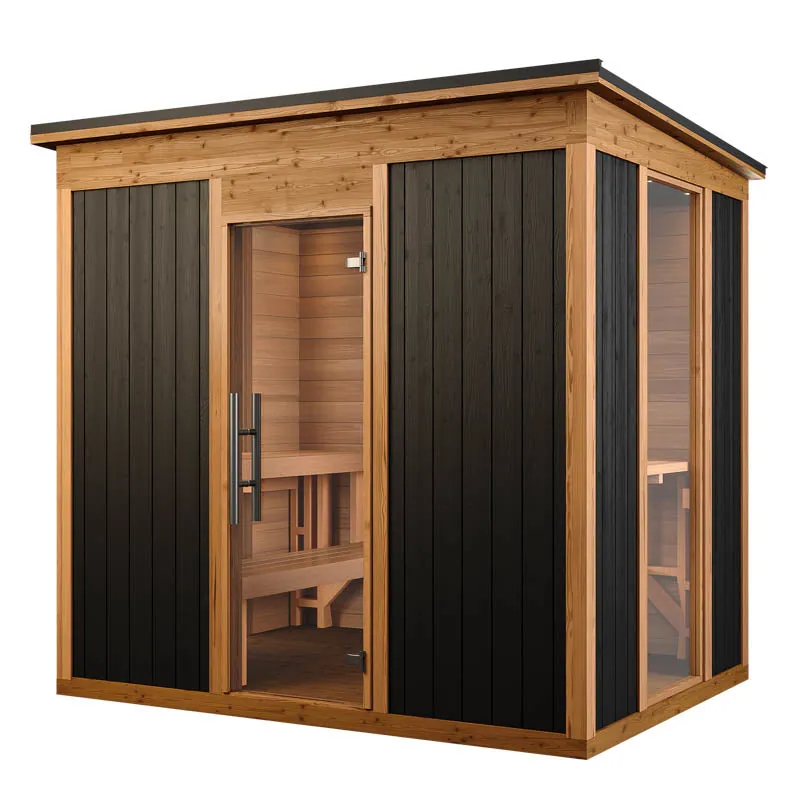
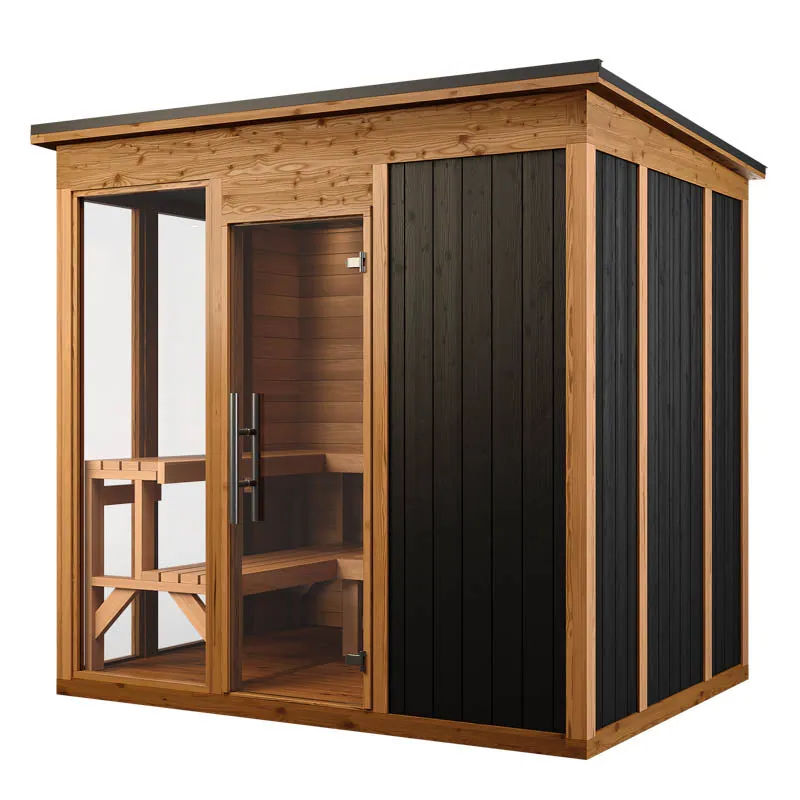
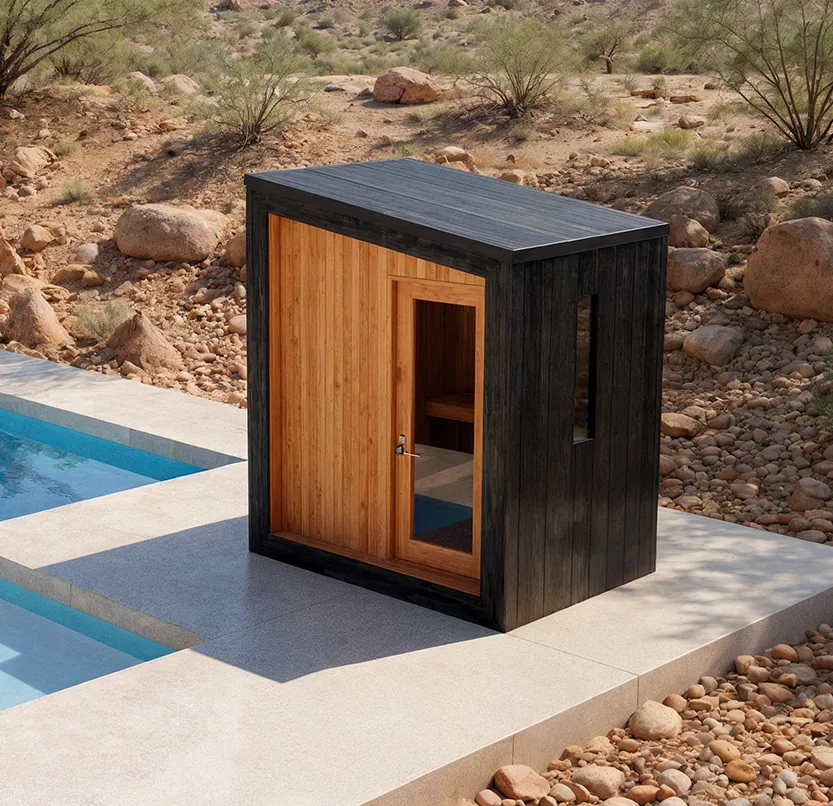
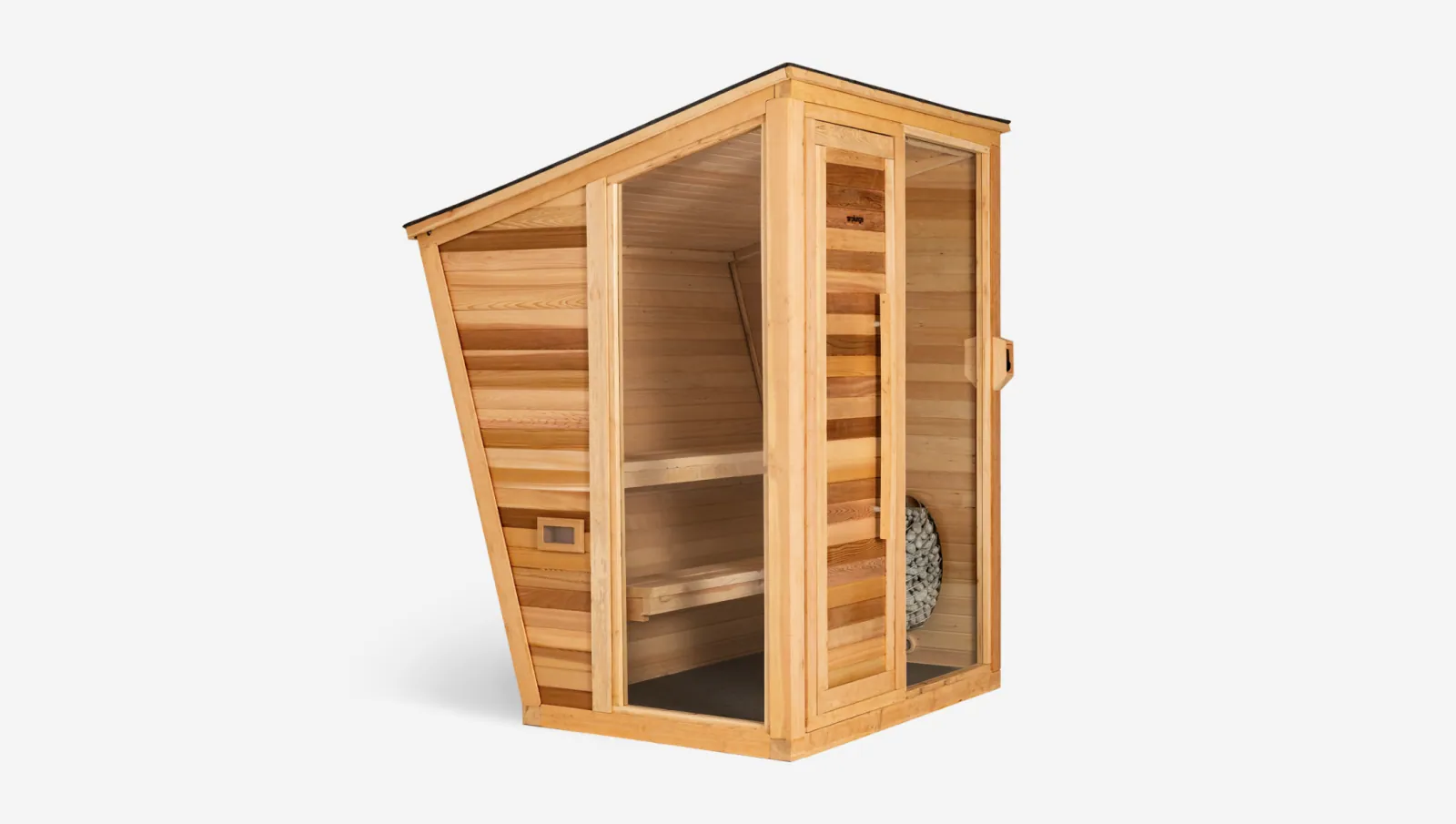
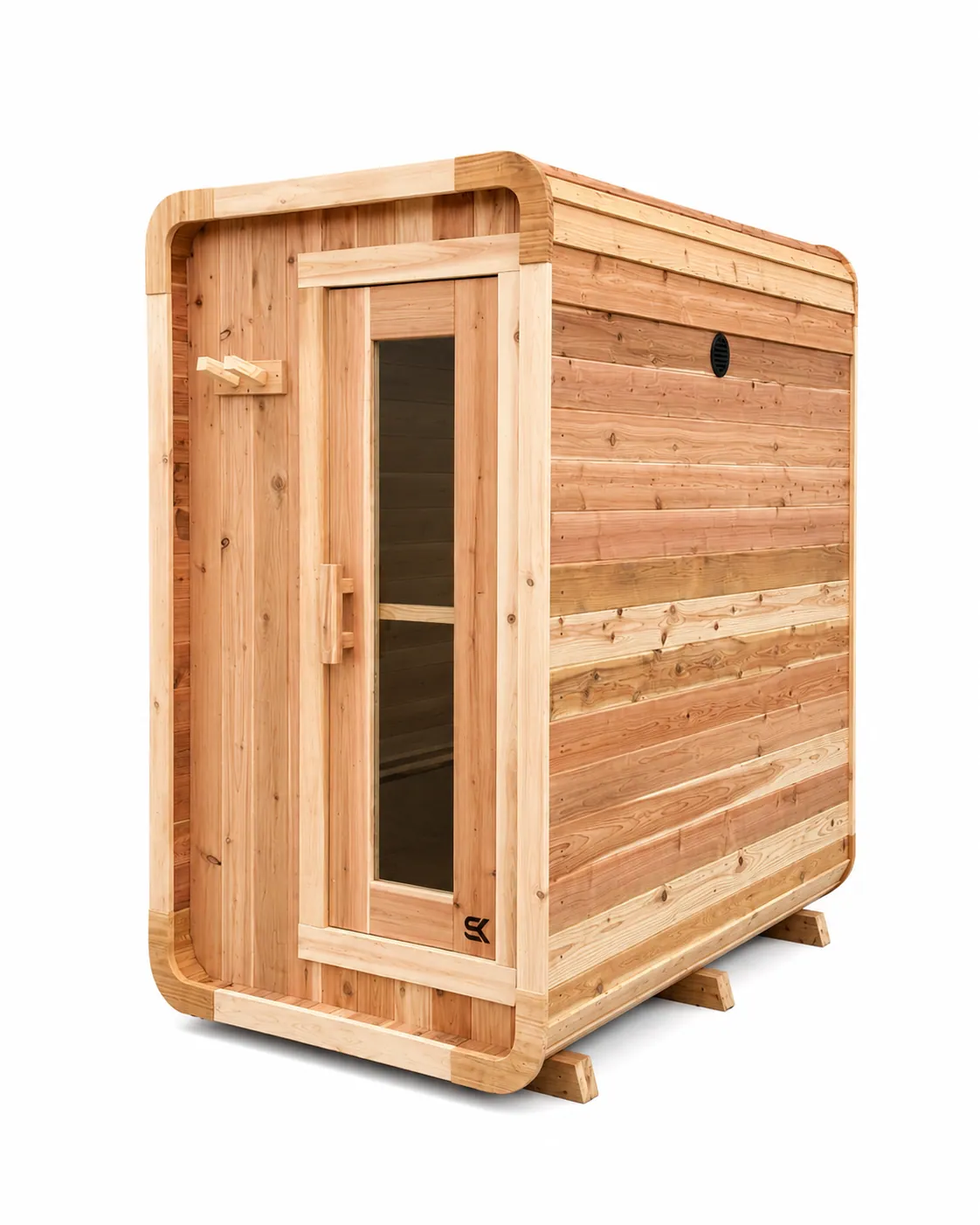
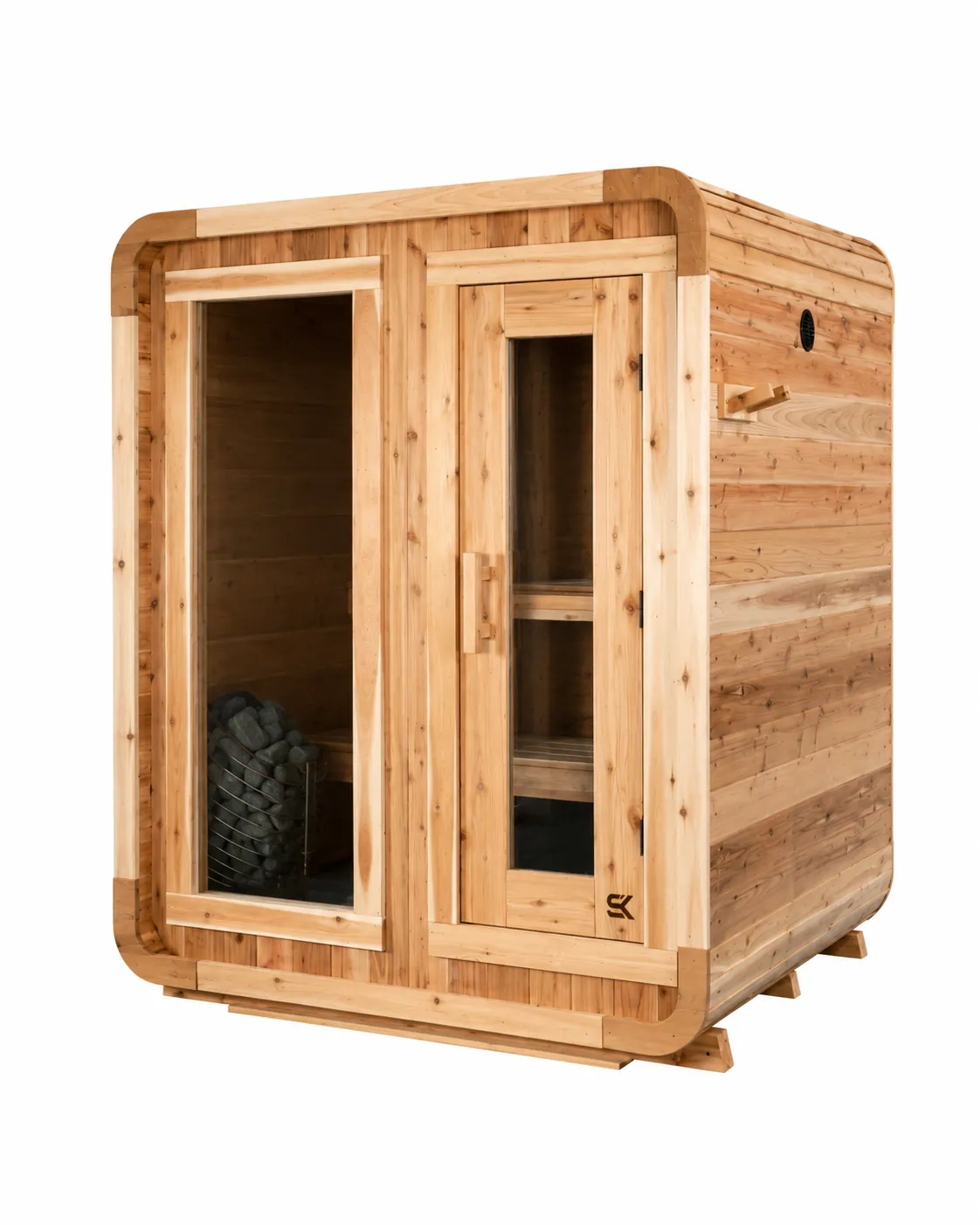
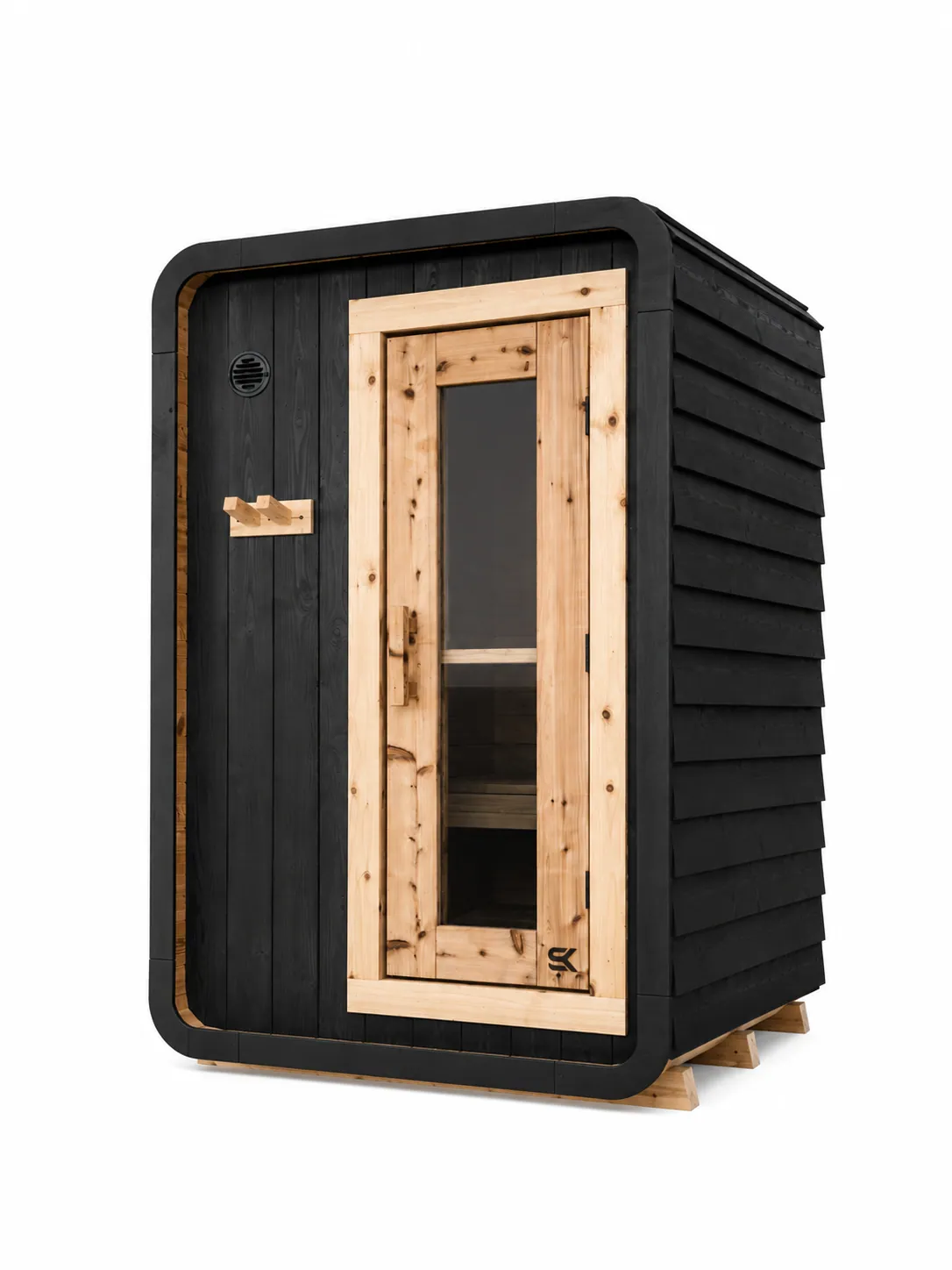
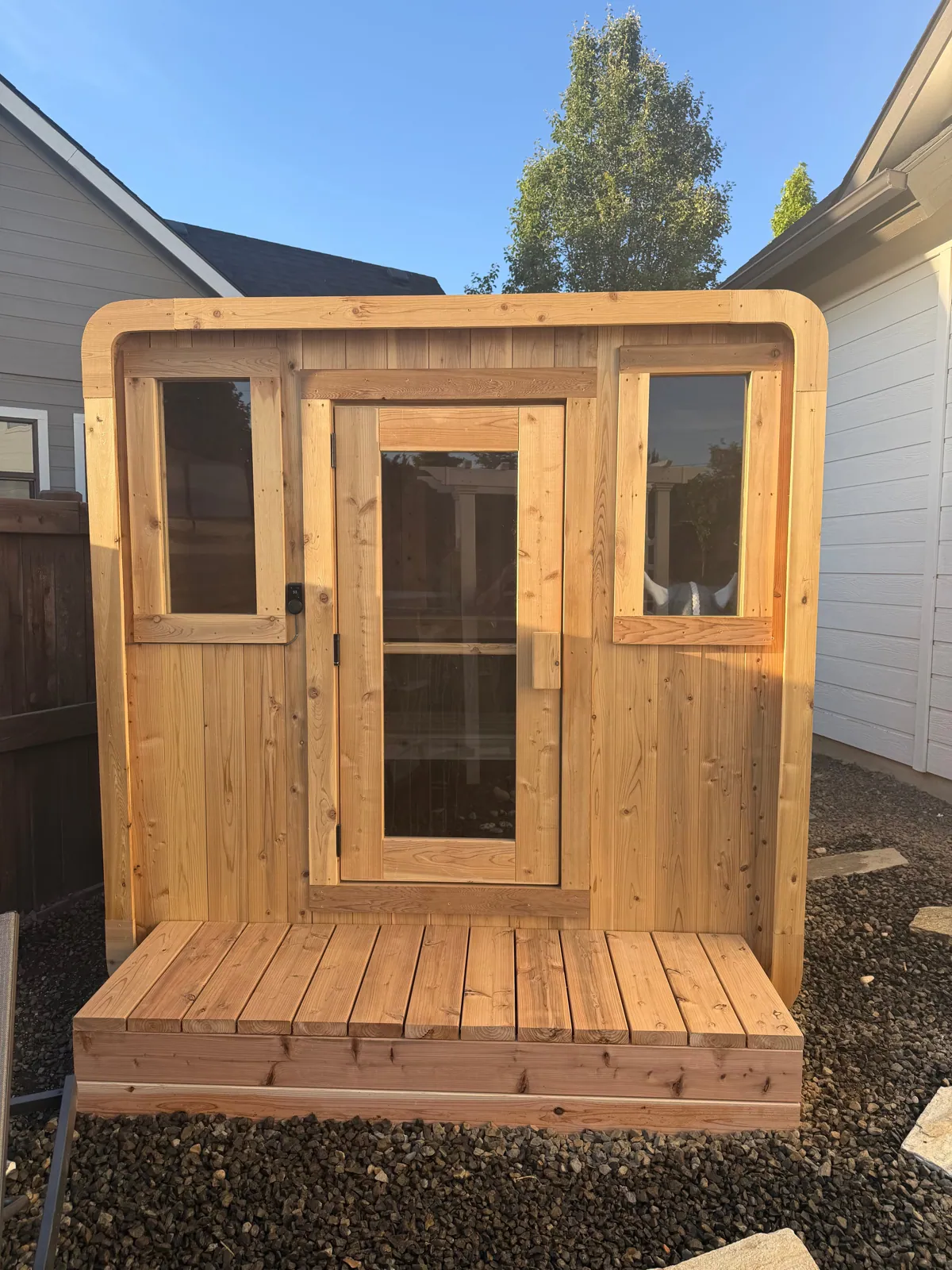
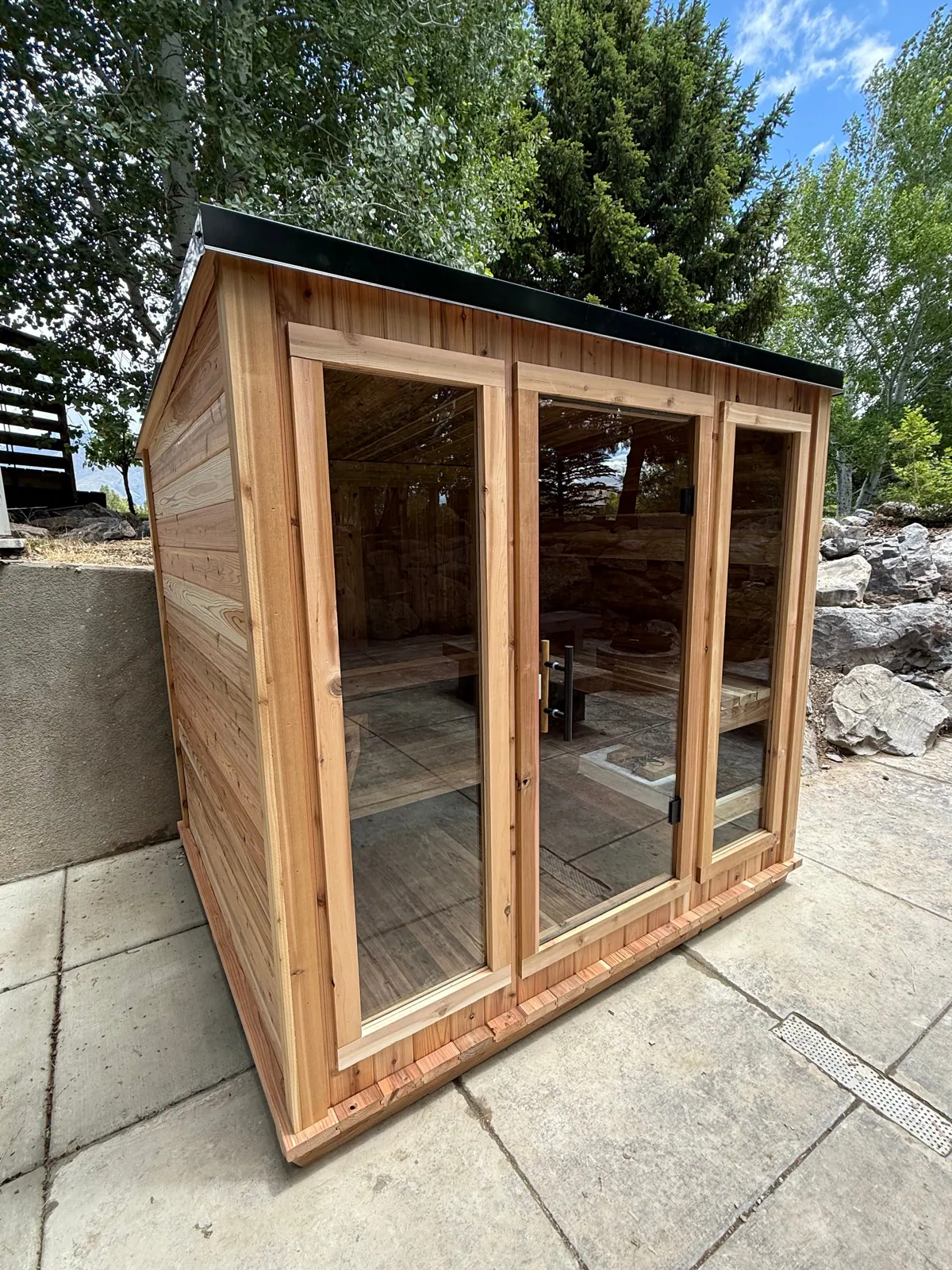
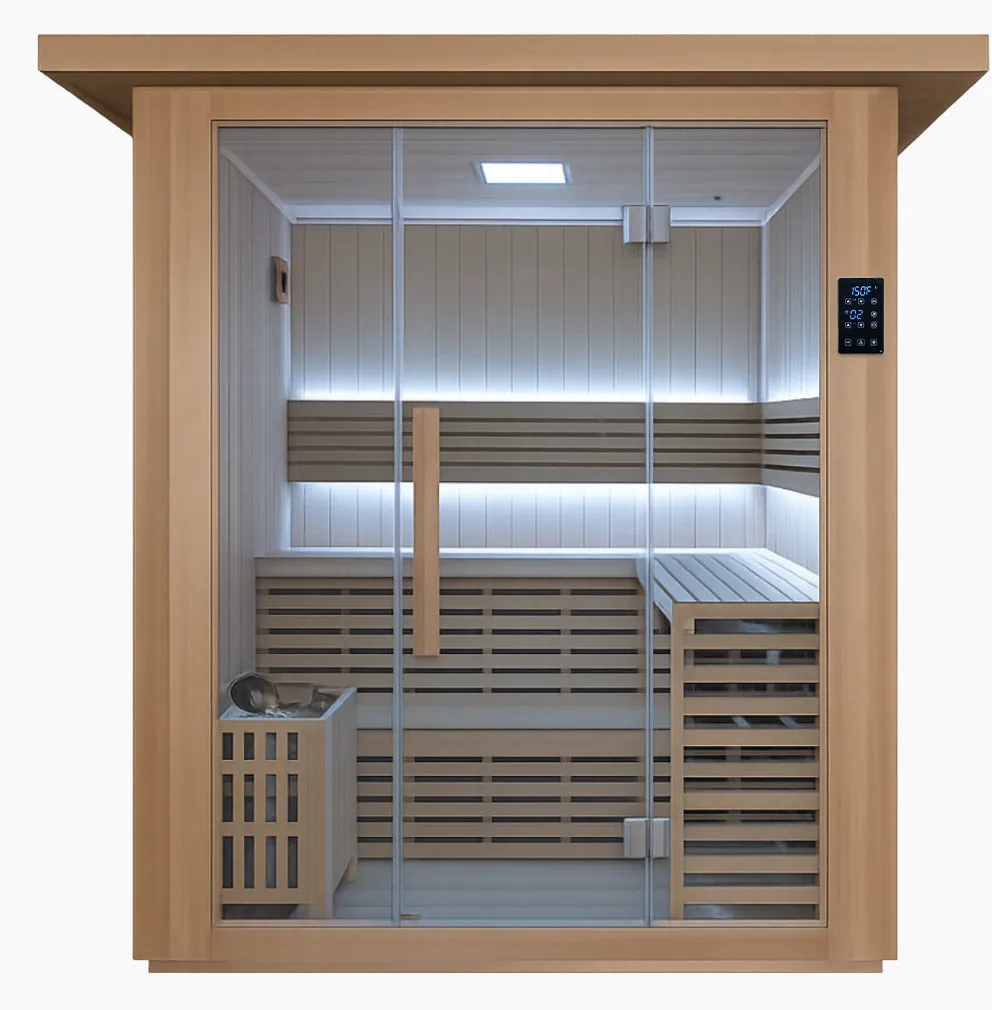
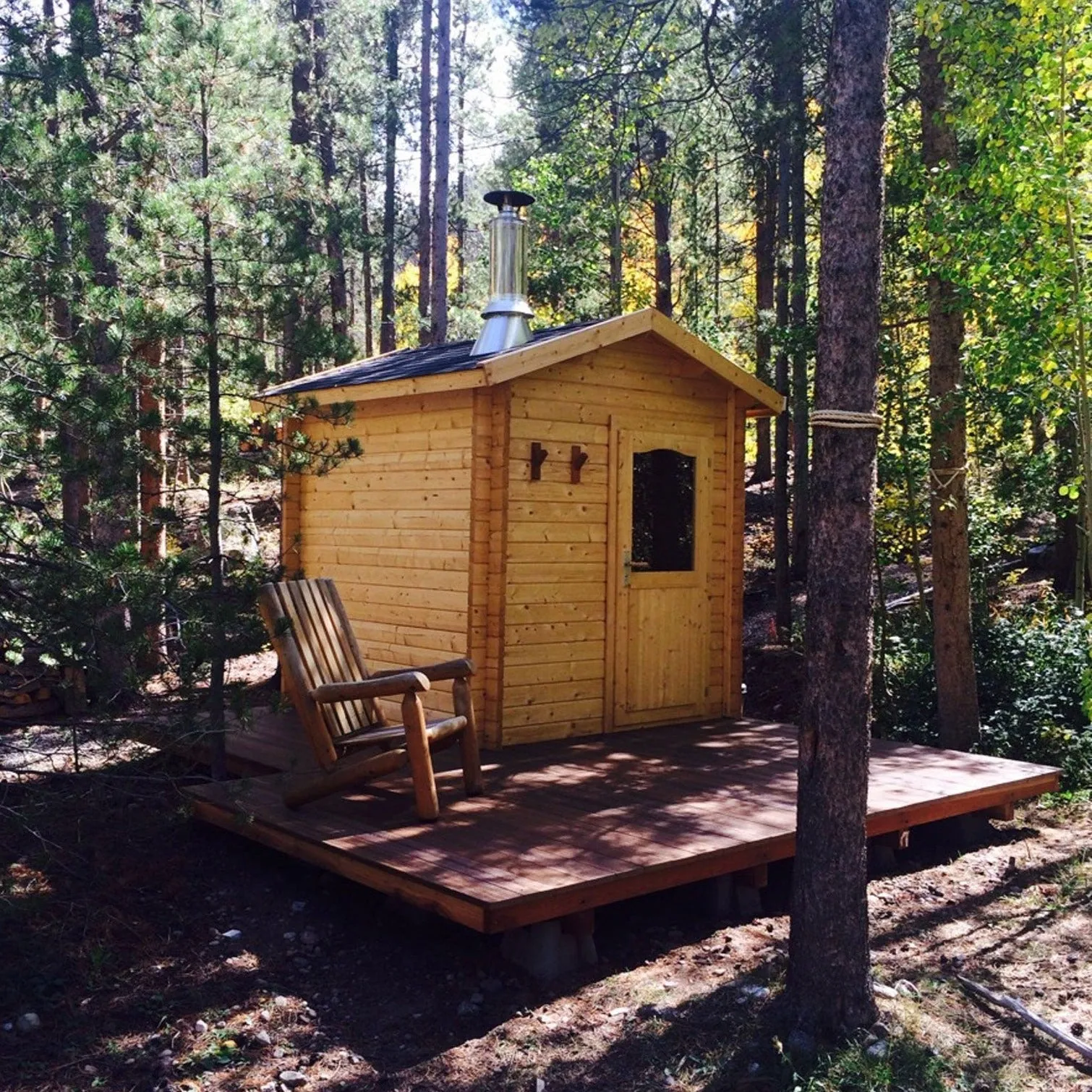
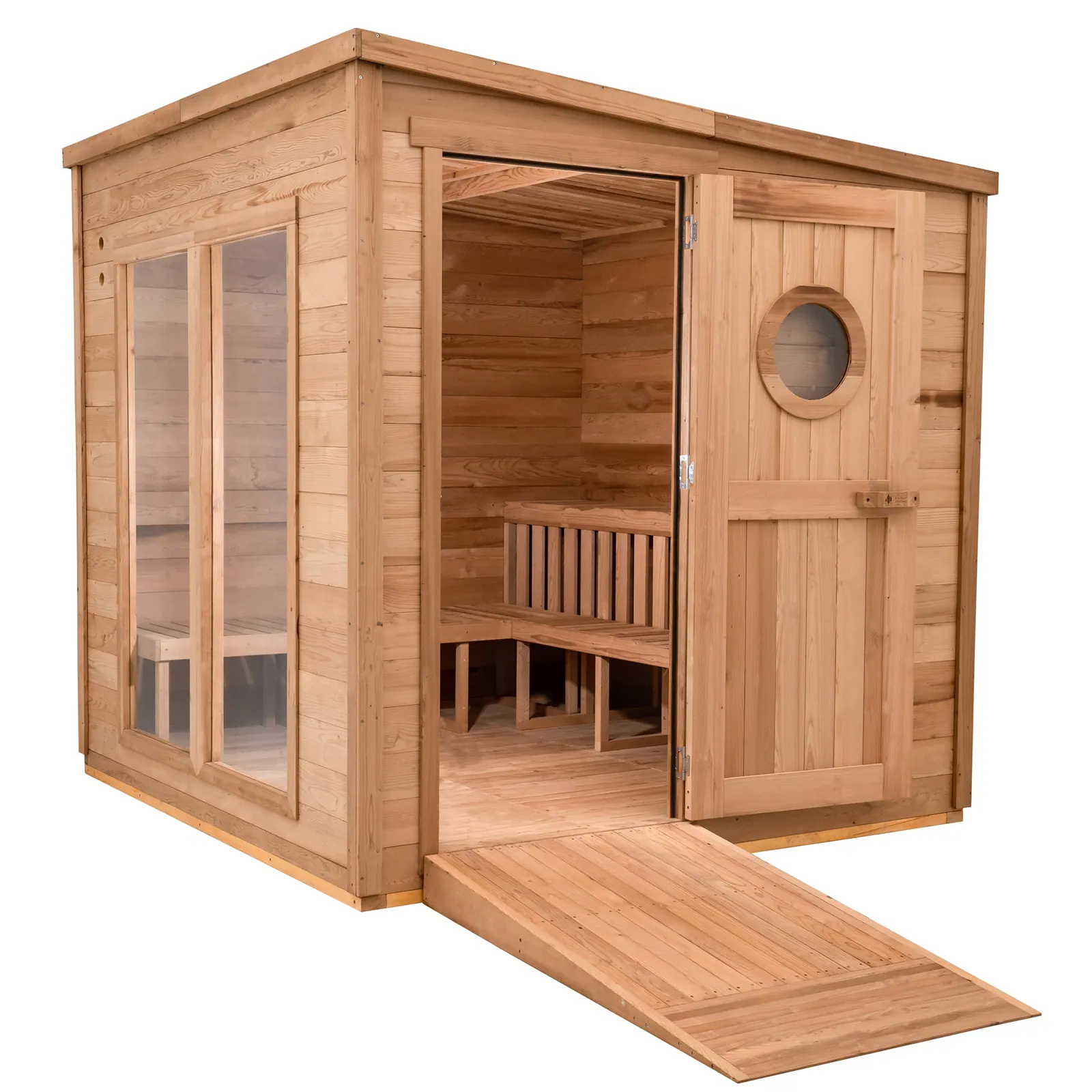
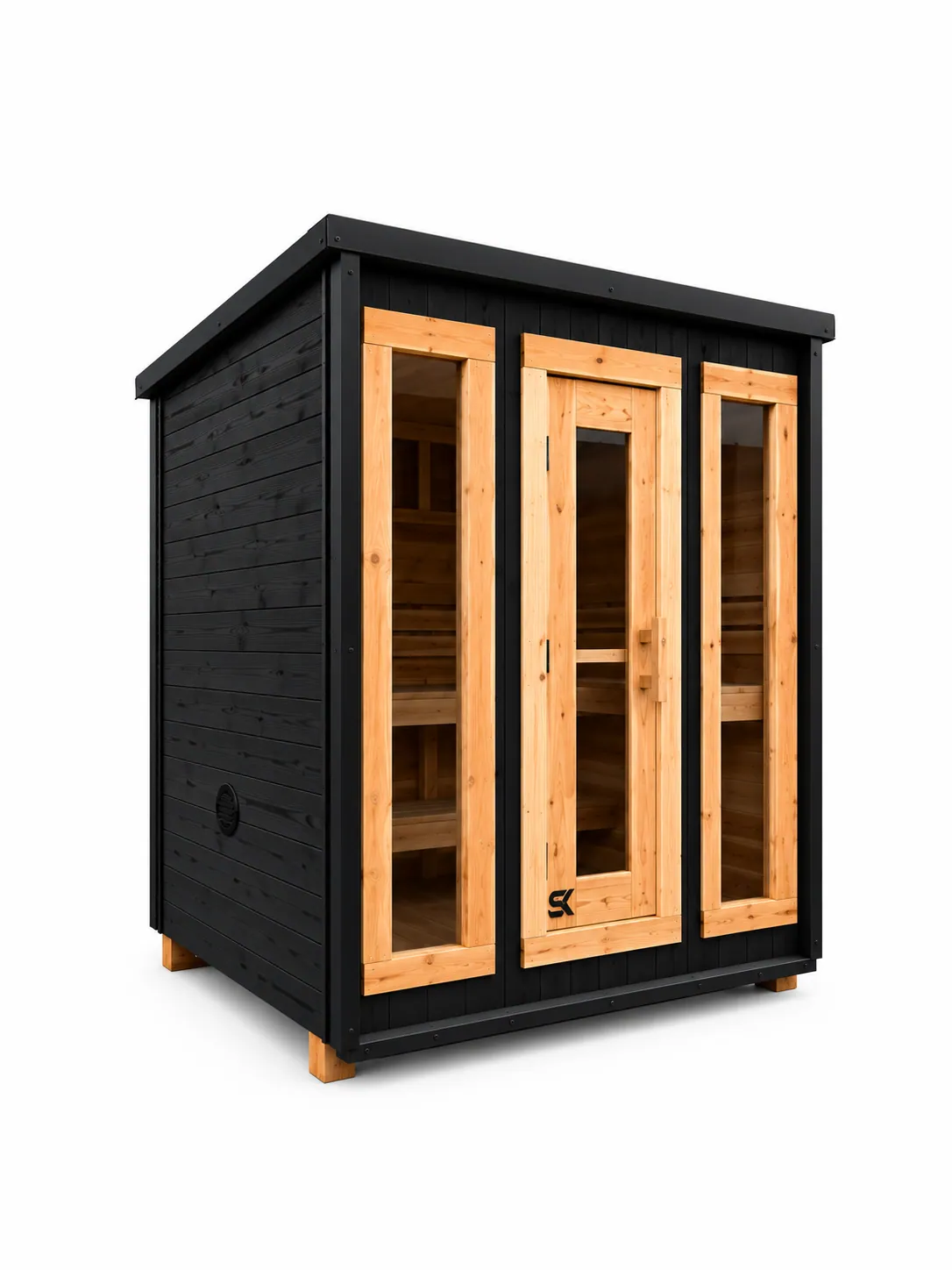
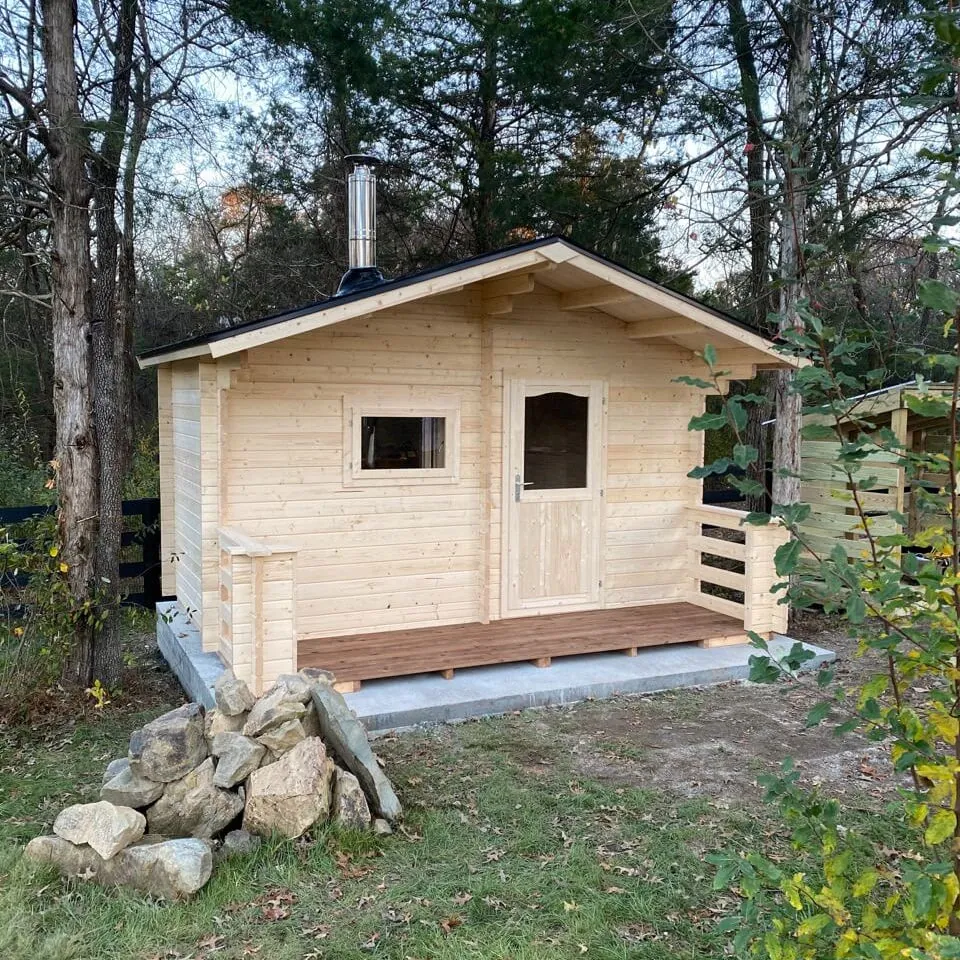
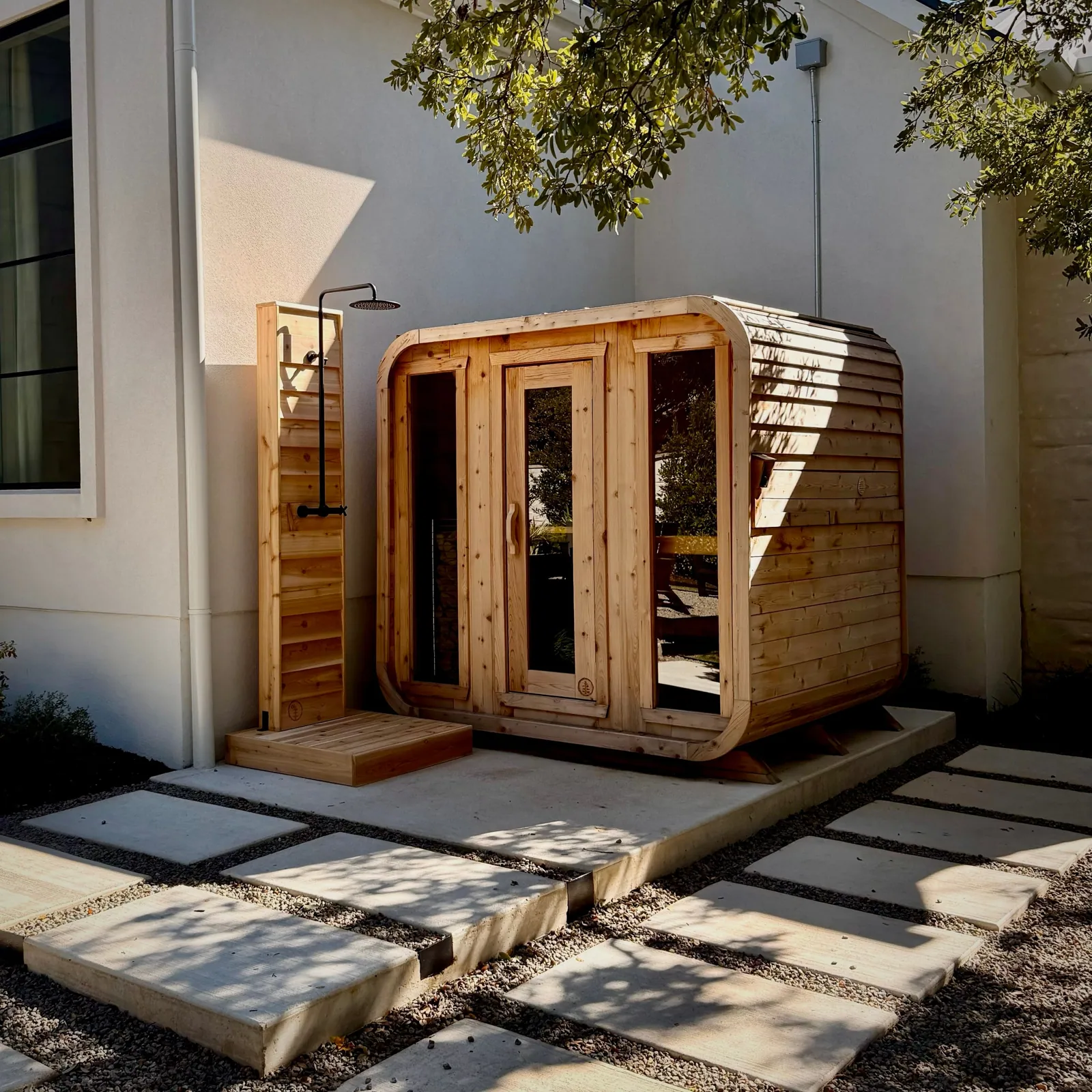
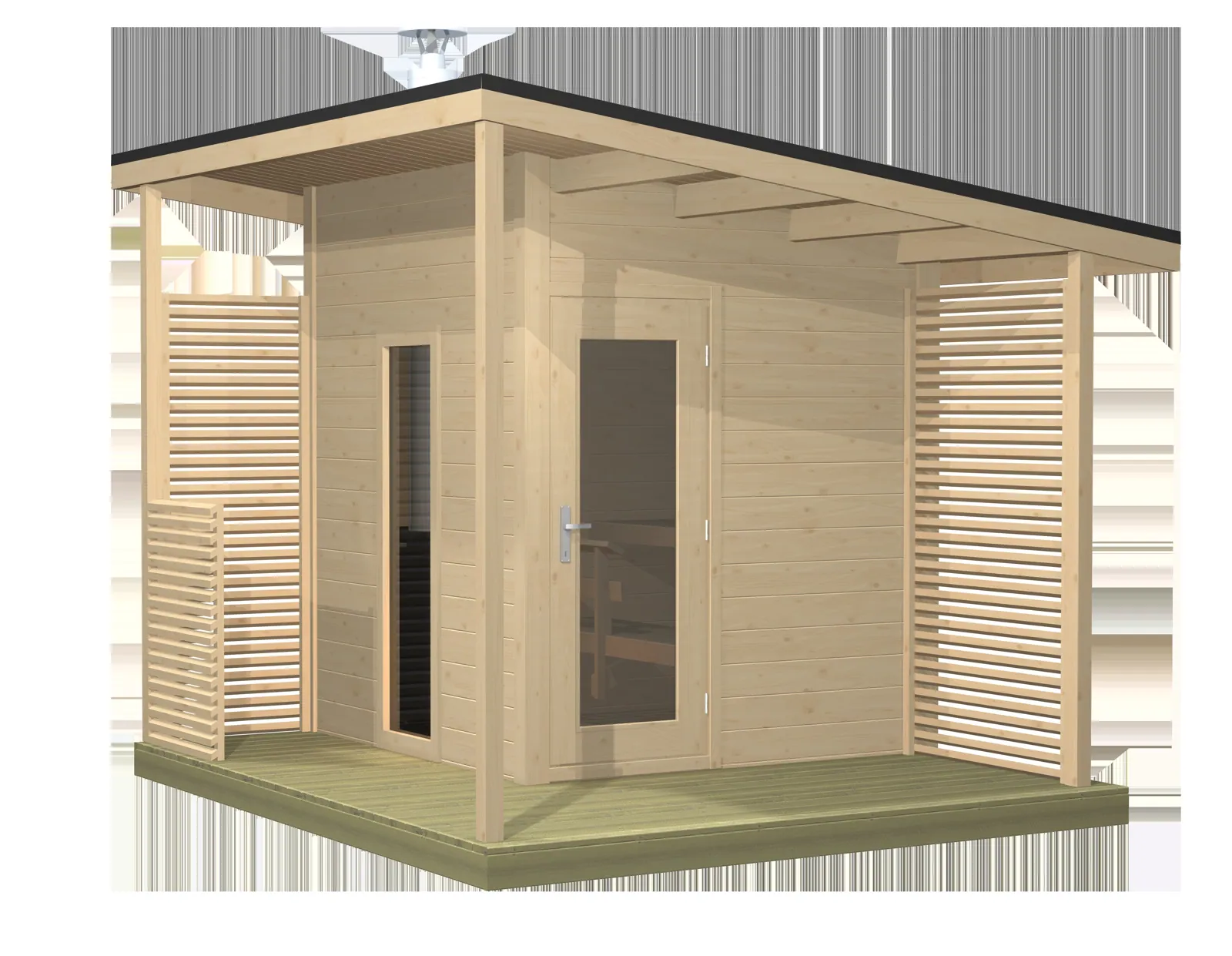
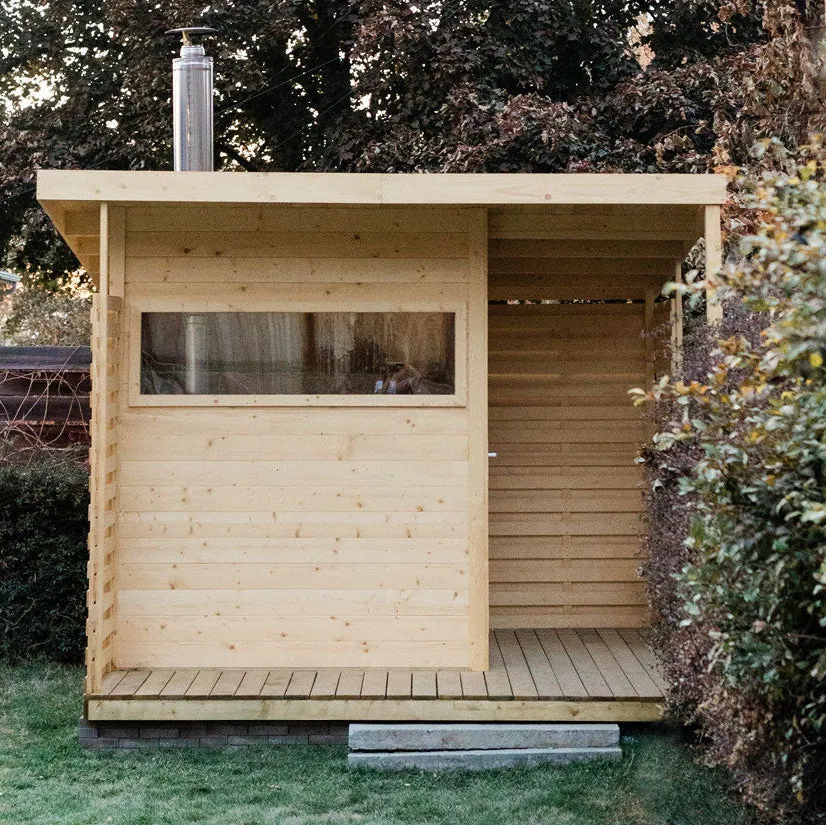
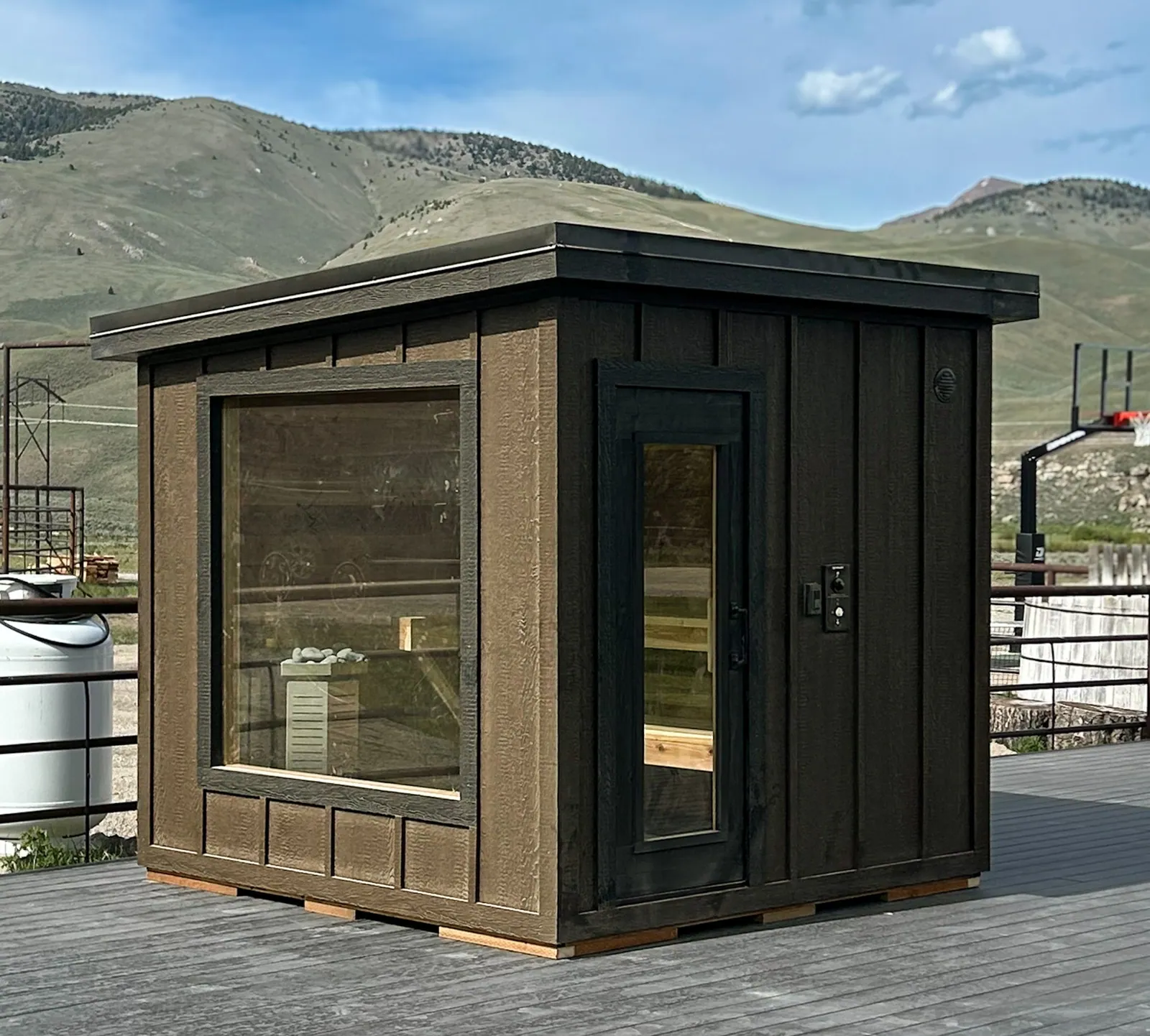
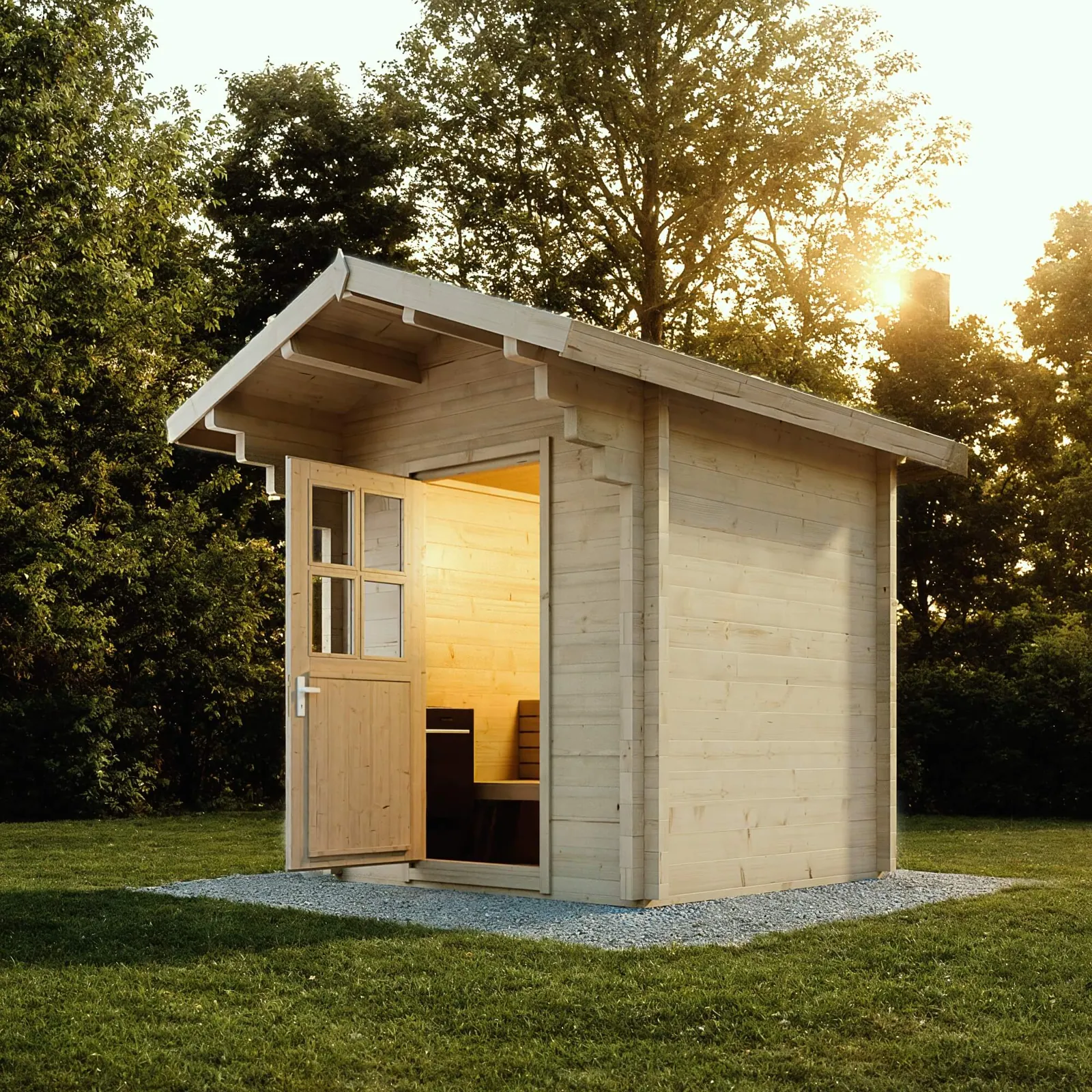
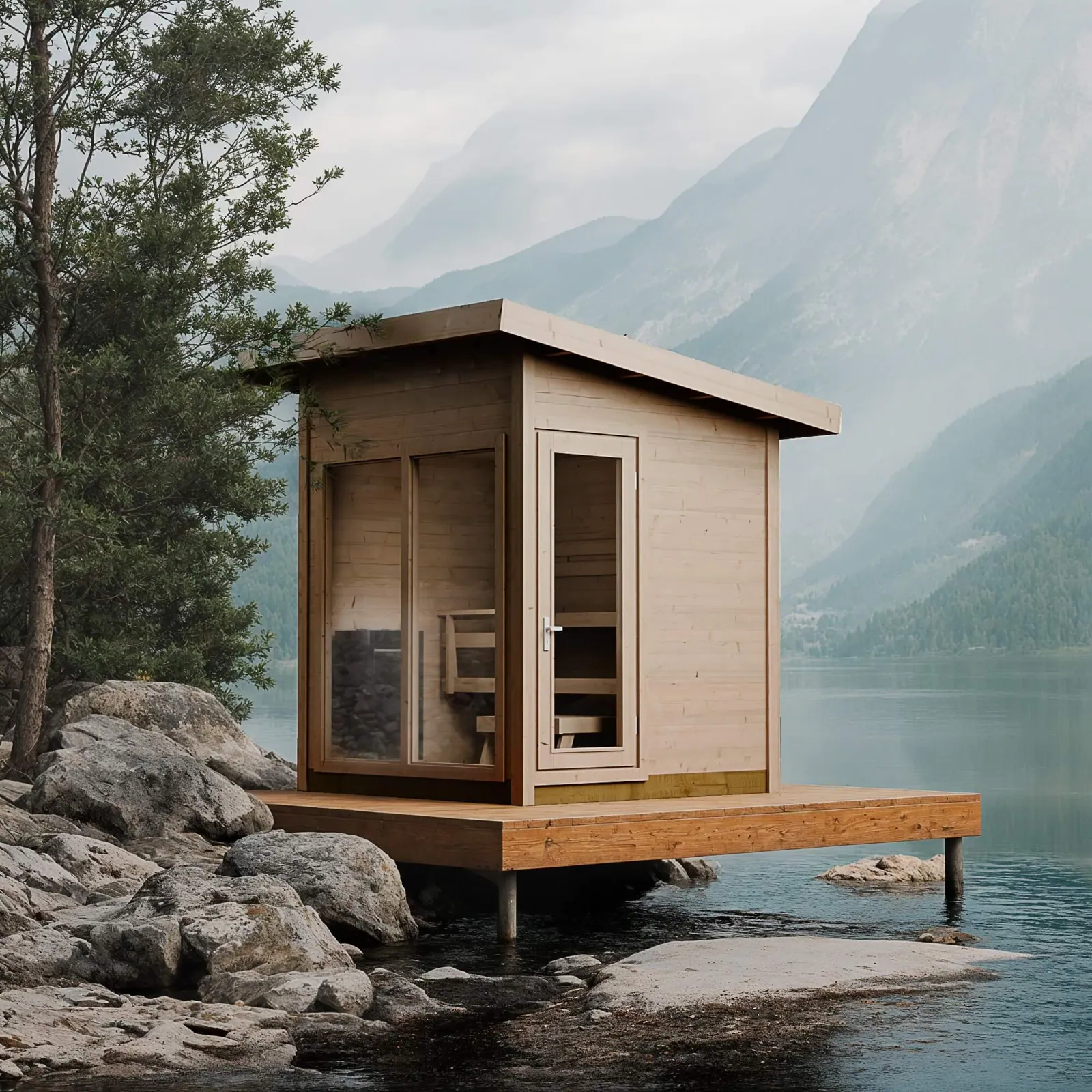
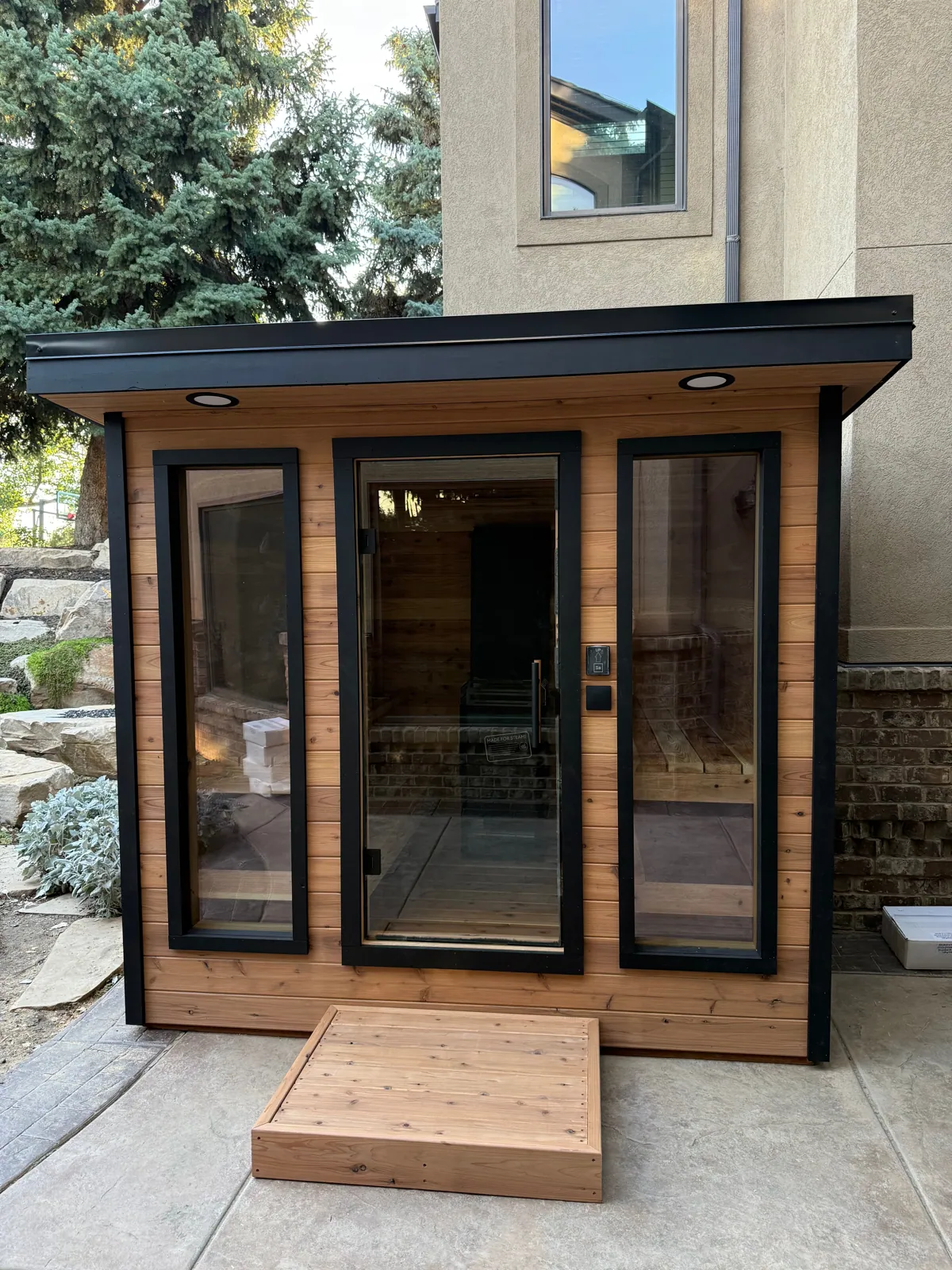
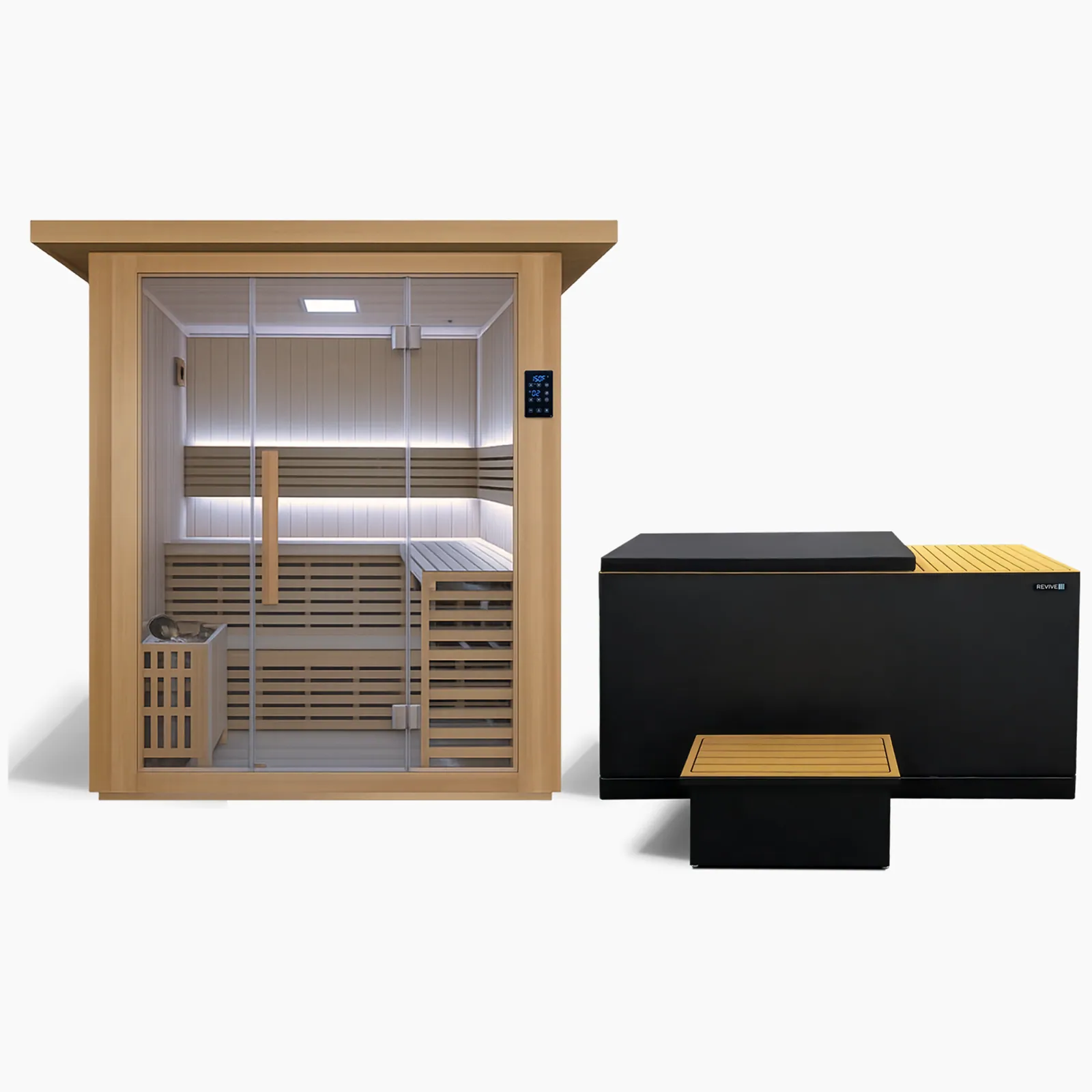
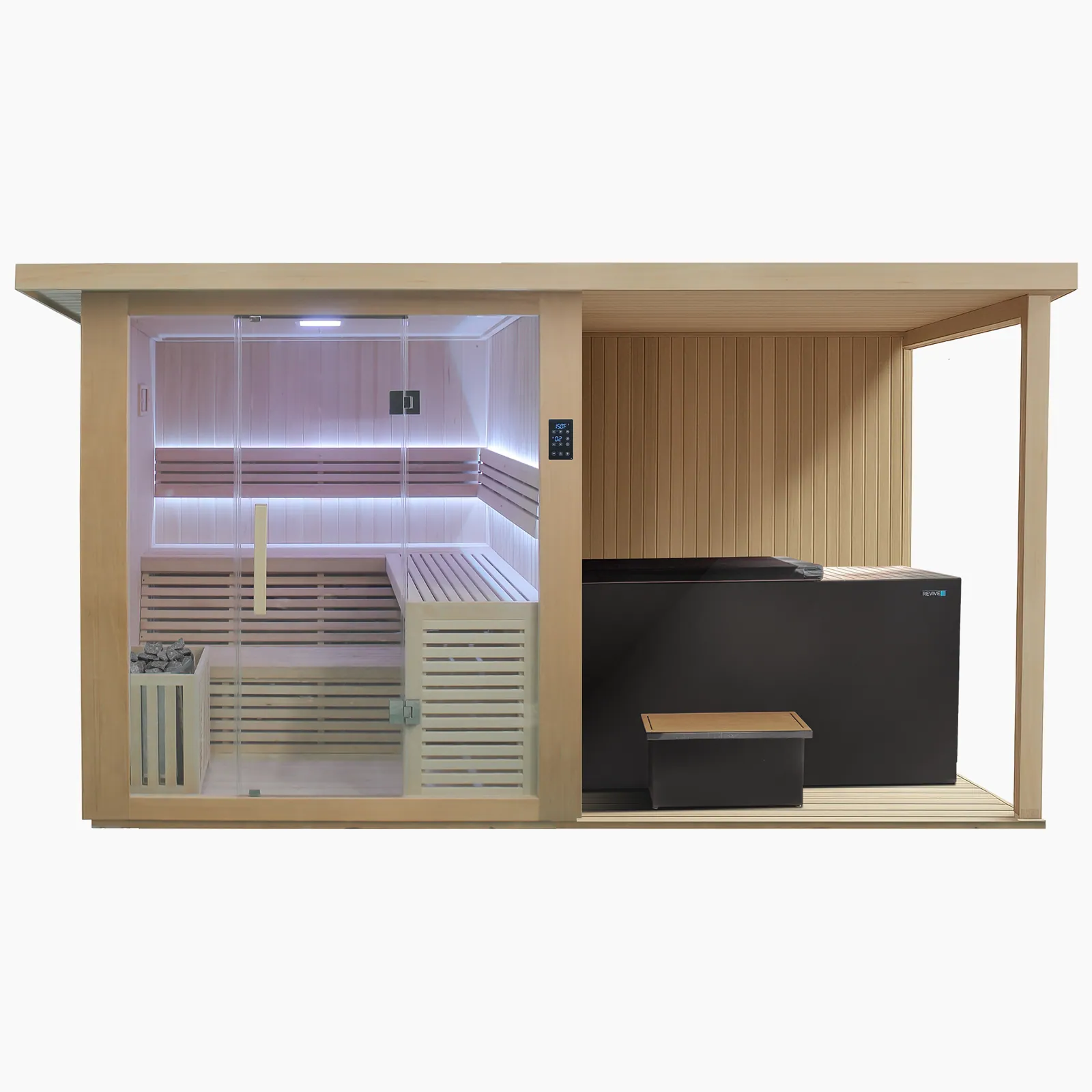
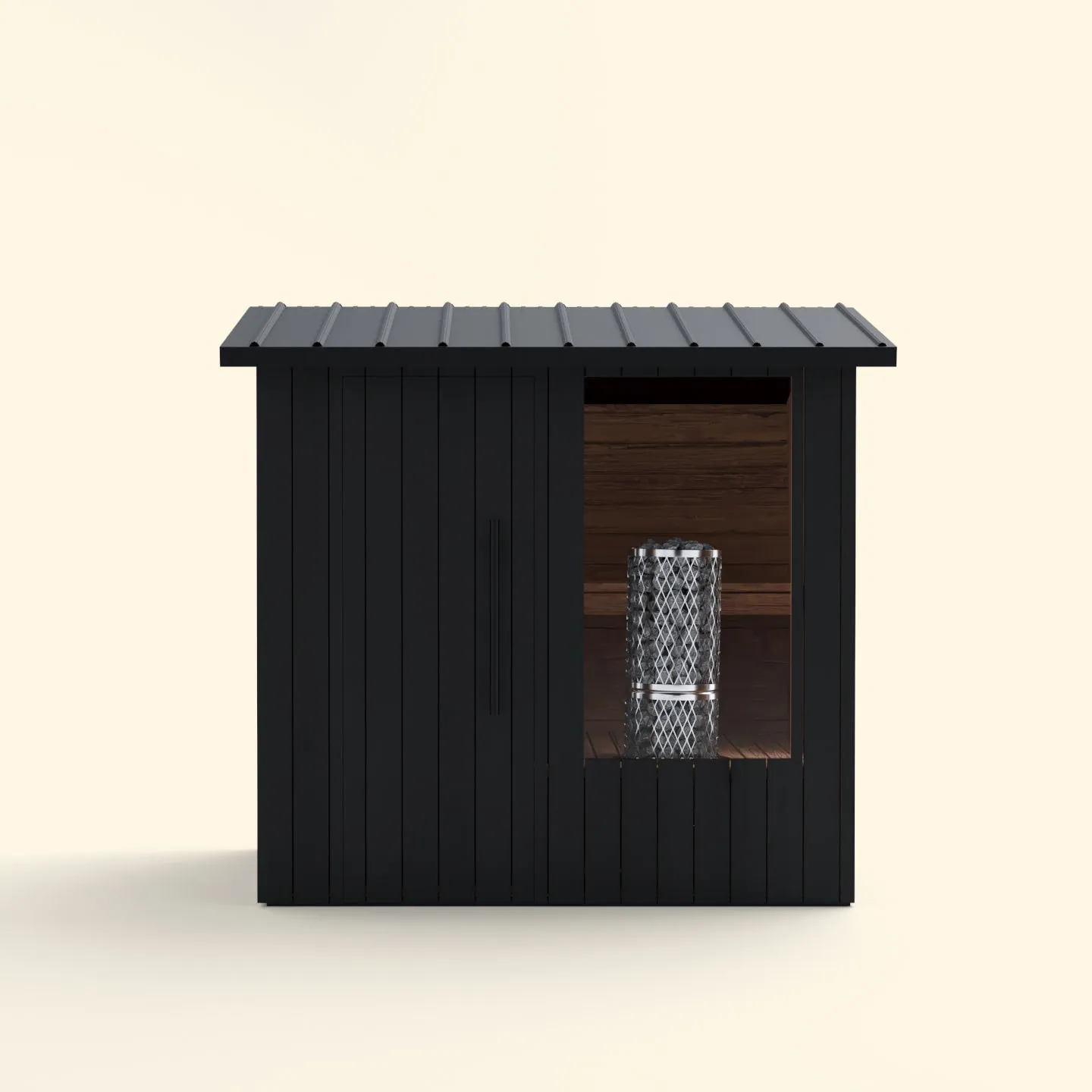
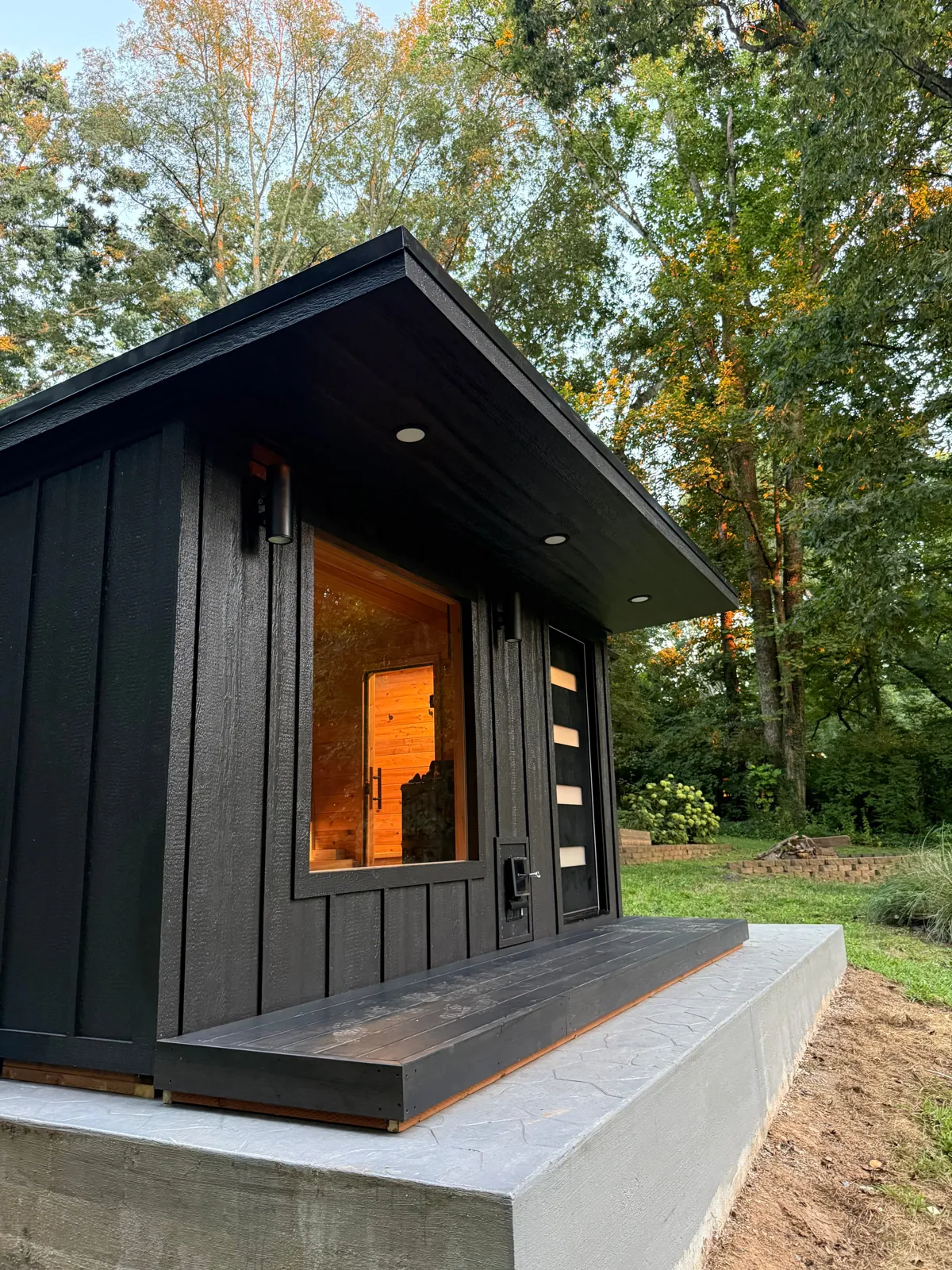
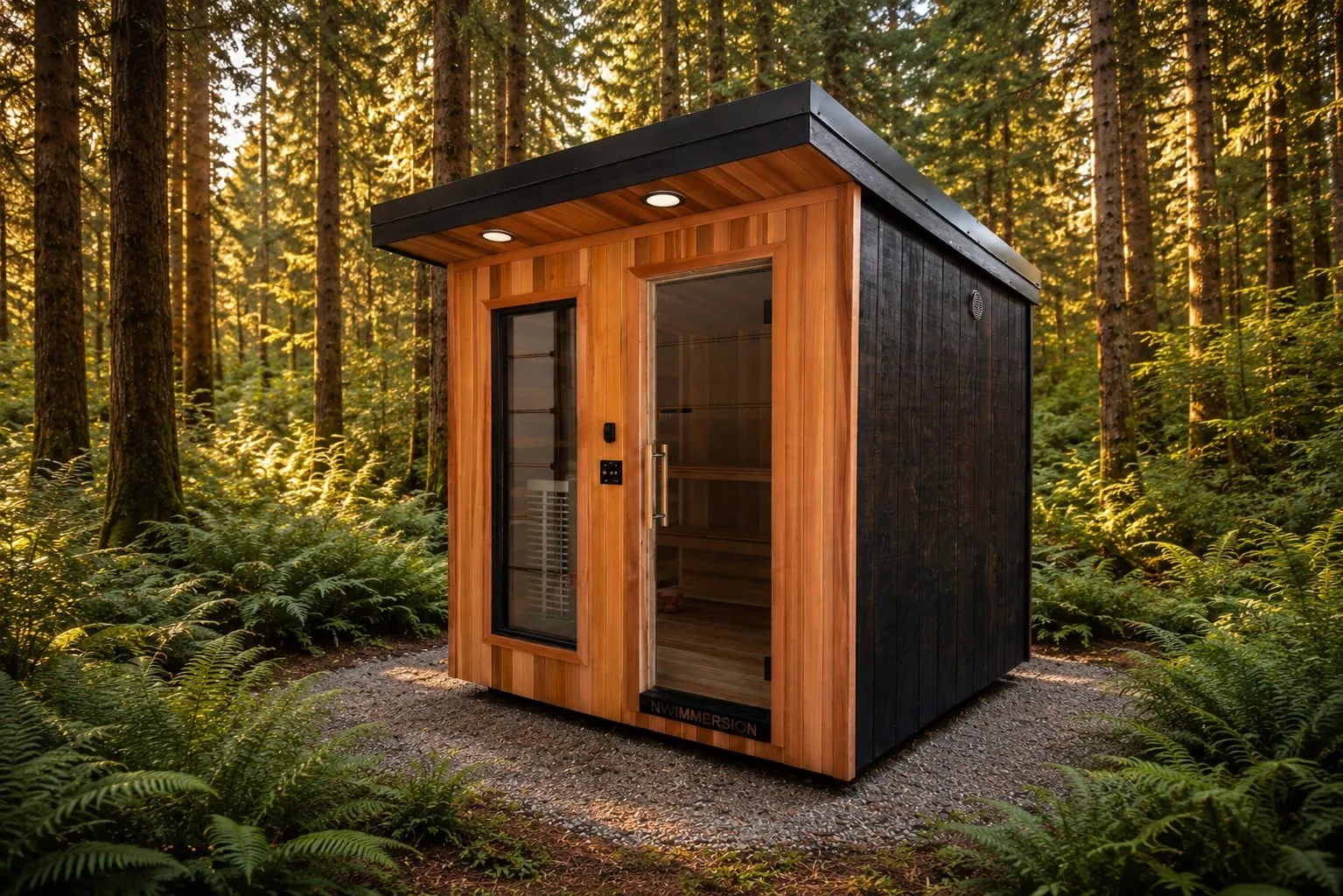
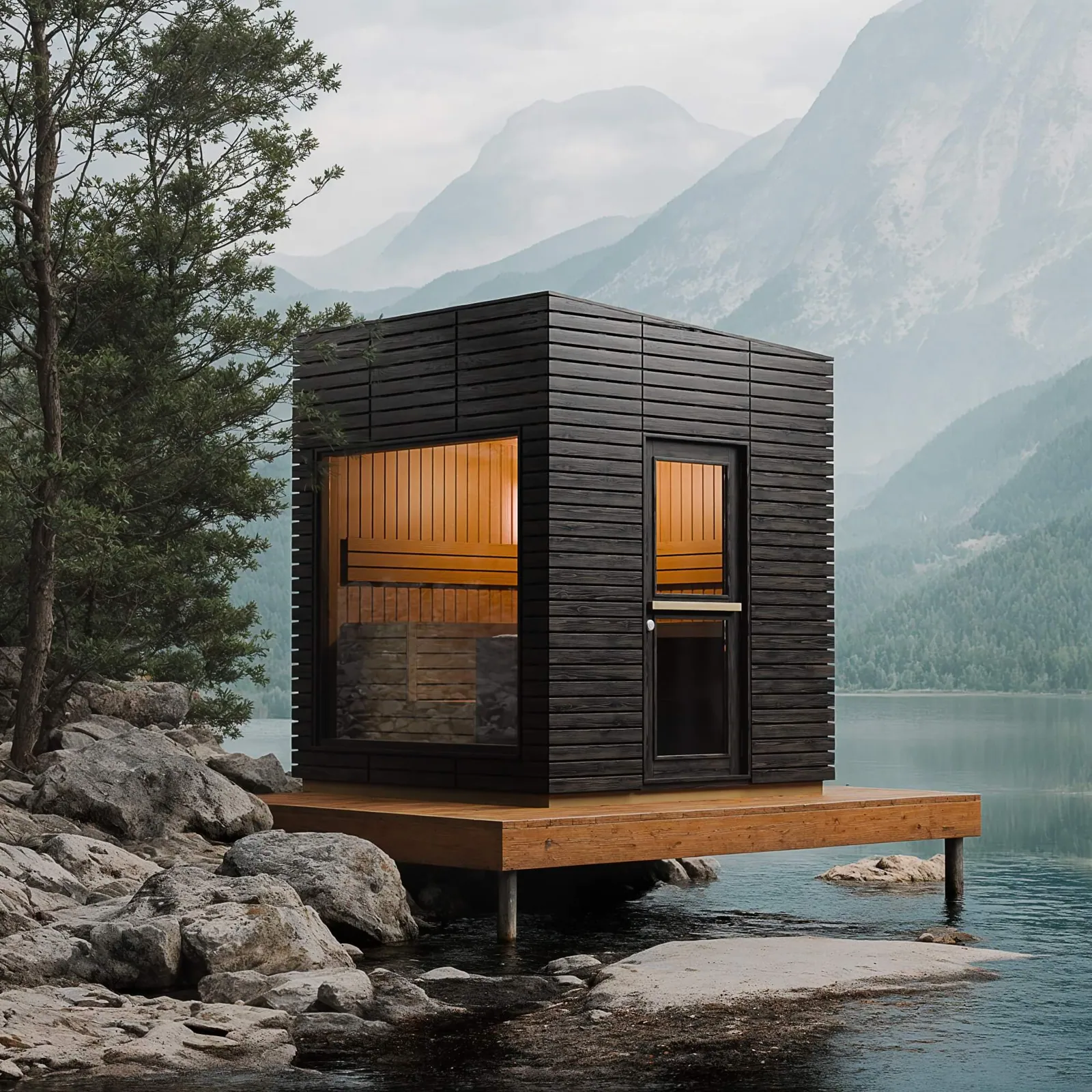
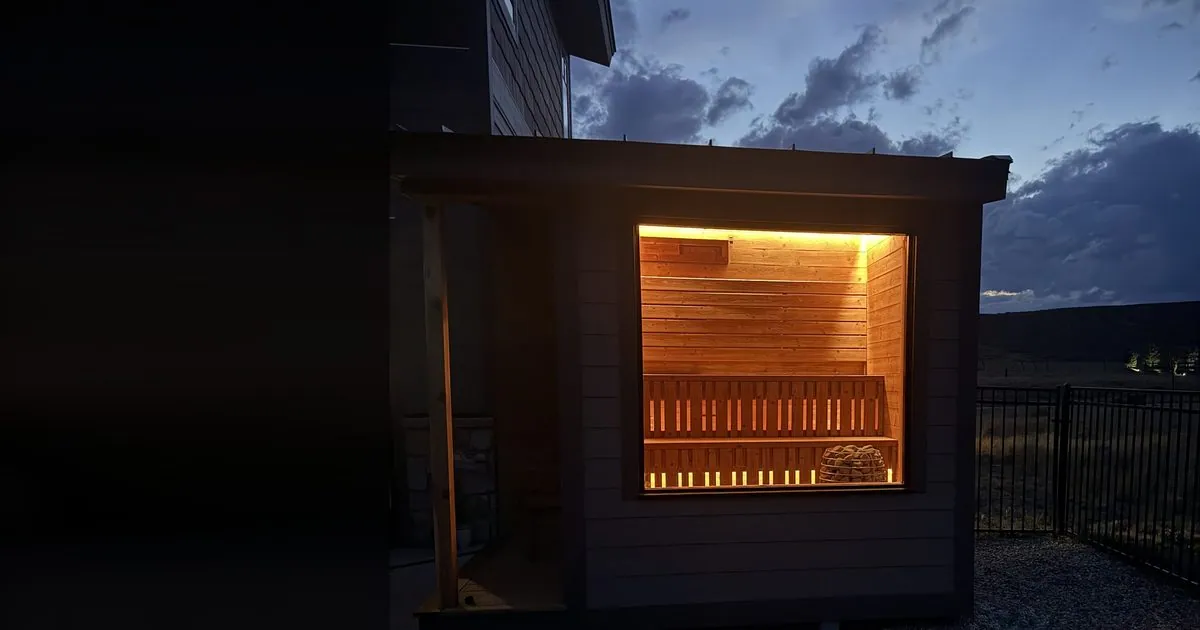
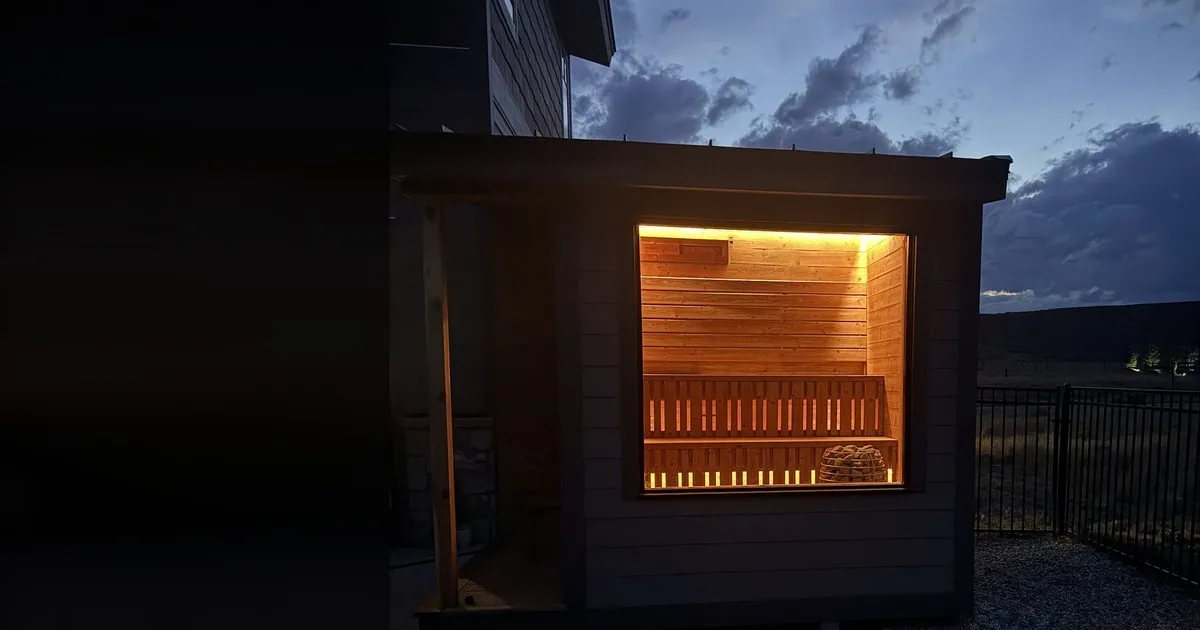
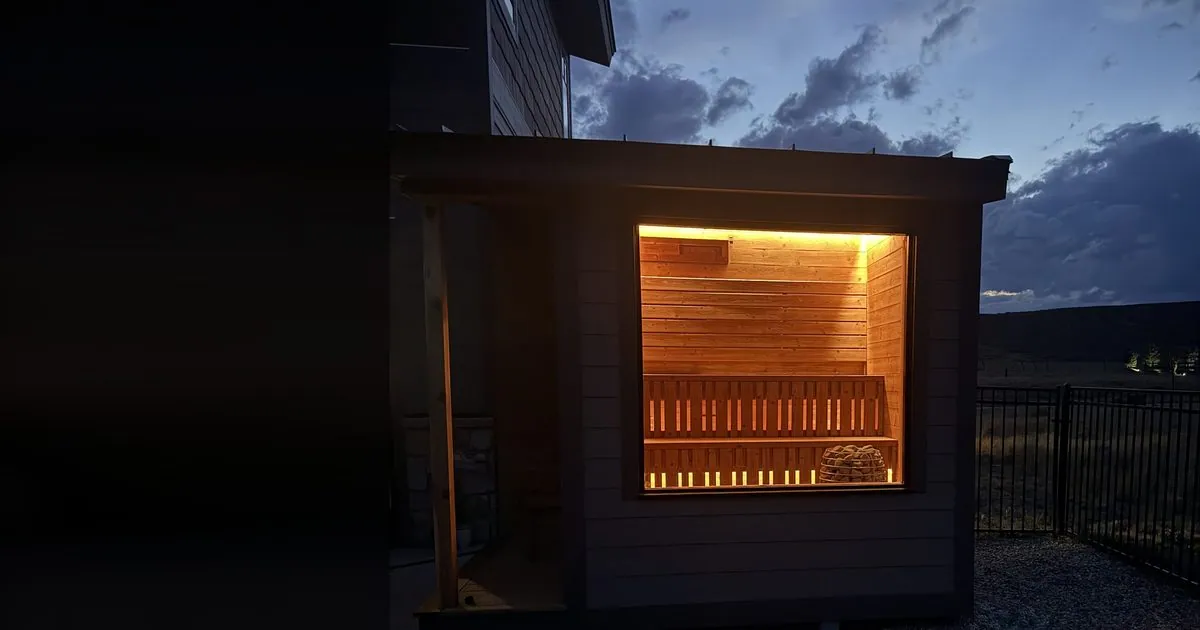
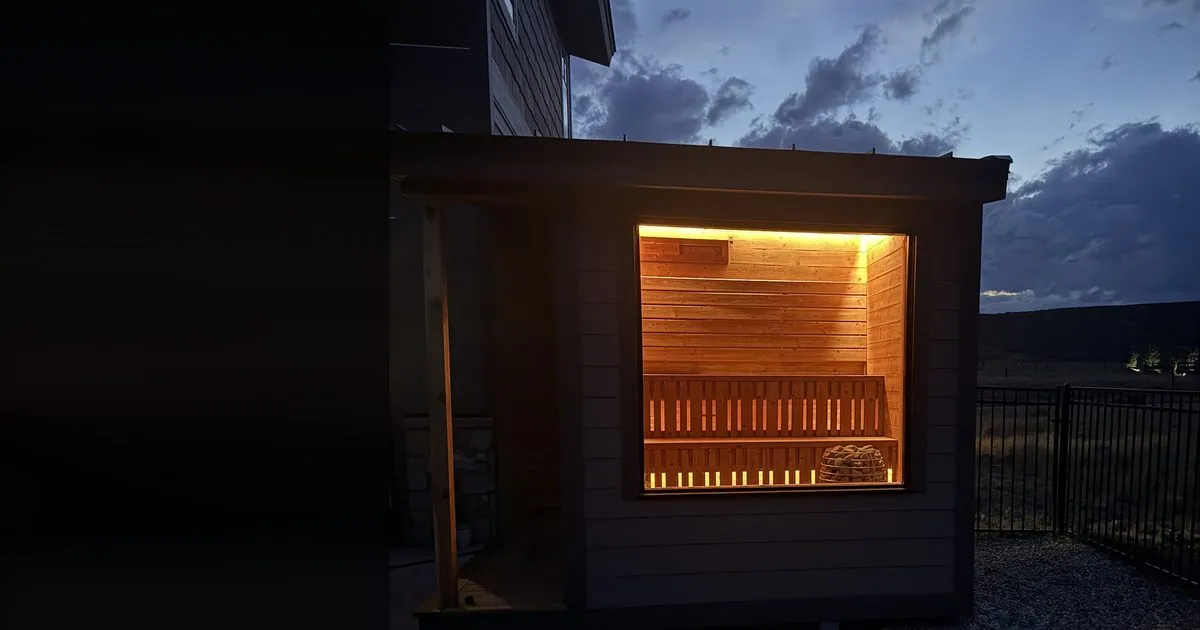
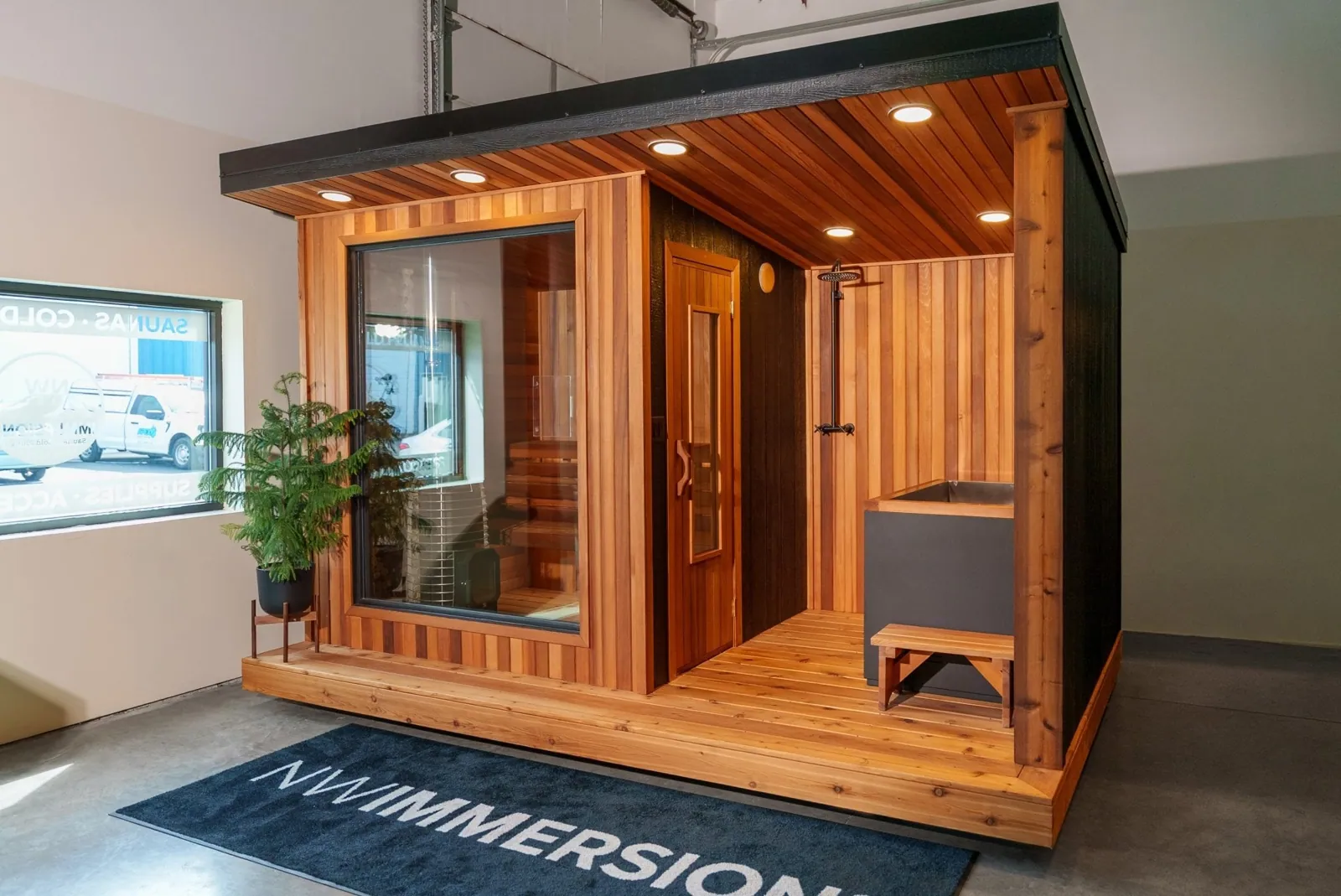
Cube and cabin saunas are square buildings. They cost more per seat because they use more lumber and usually more framing, but they give you full standing height, straight walls for longer benches, and room for a porch or a separate changing room on the larger models. If more than four adults will use the sauna at once, or if anyone in the house is tall, a cabin is usually the better long term choice.
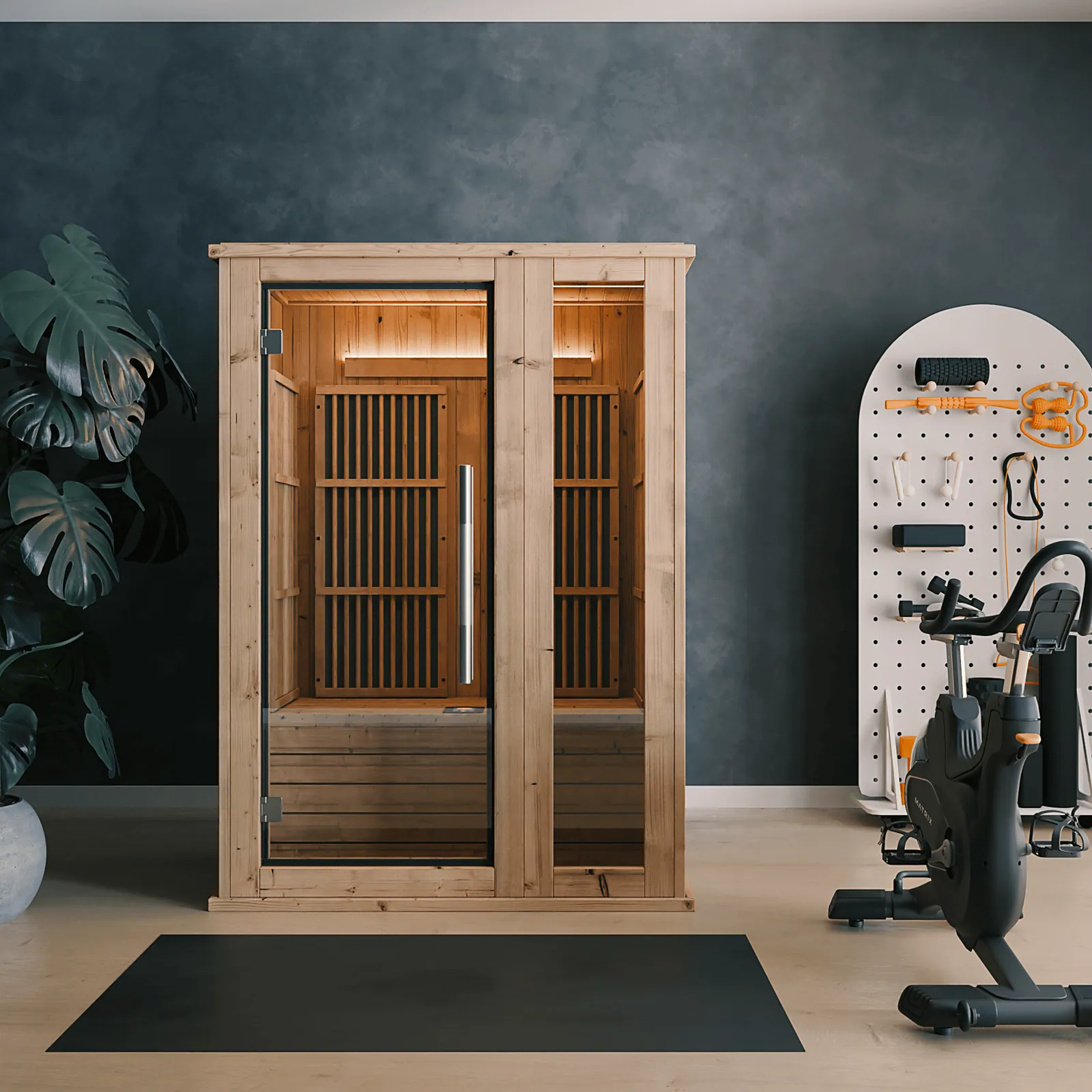
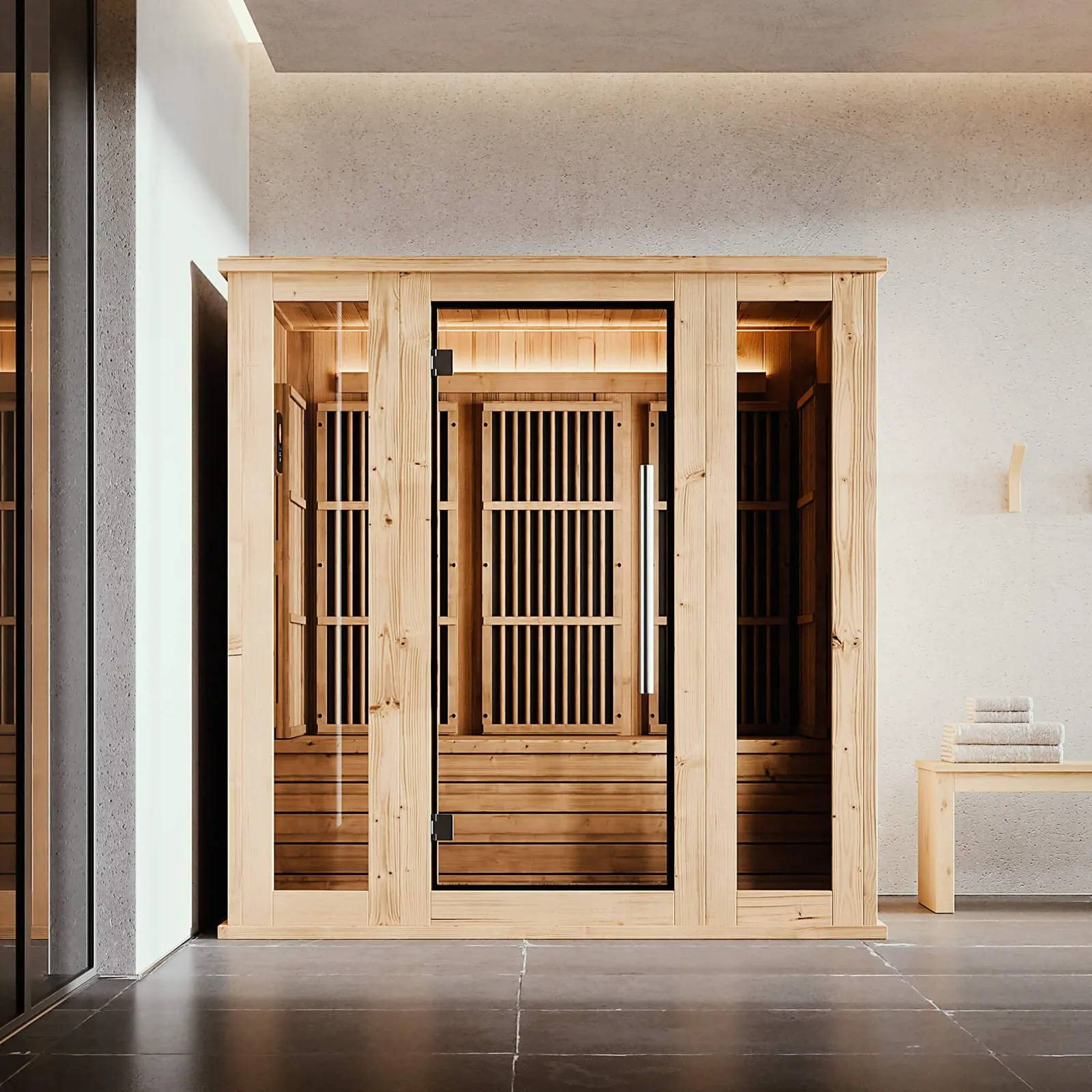
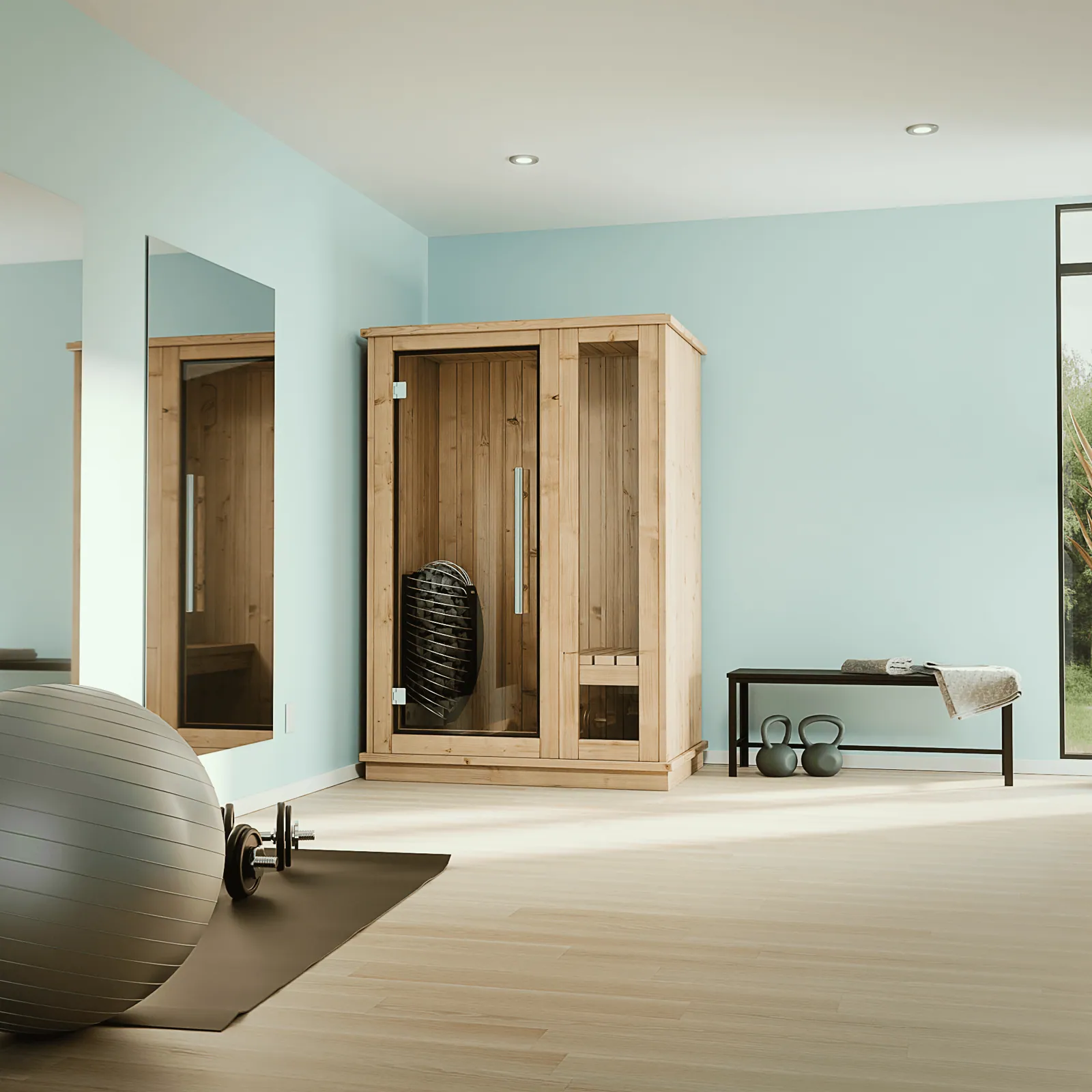
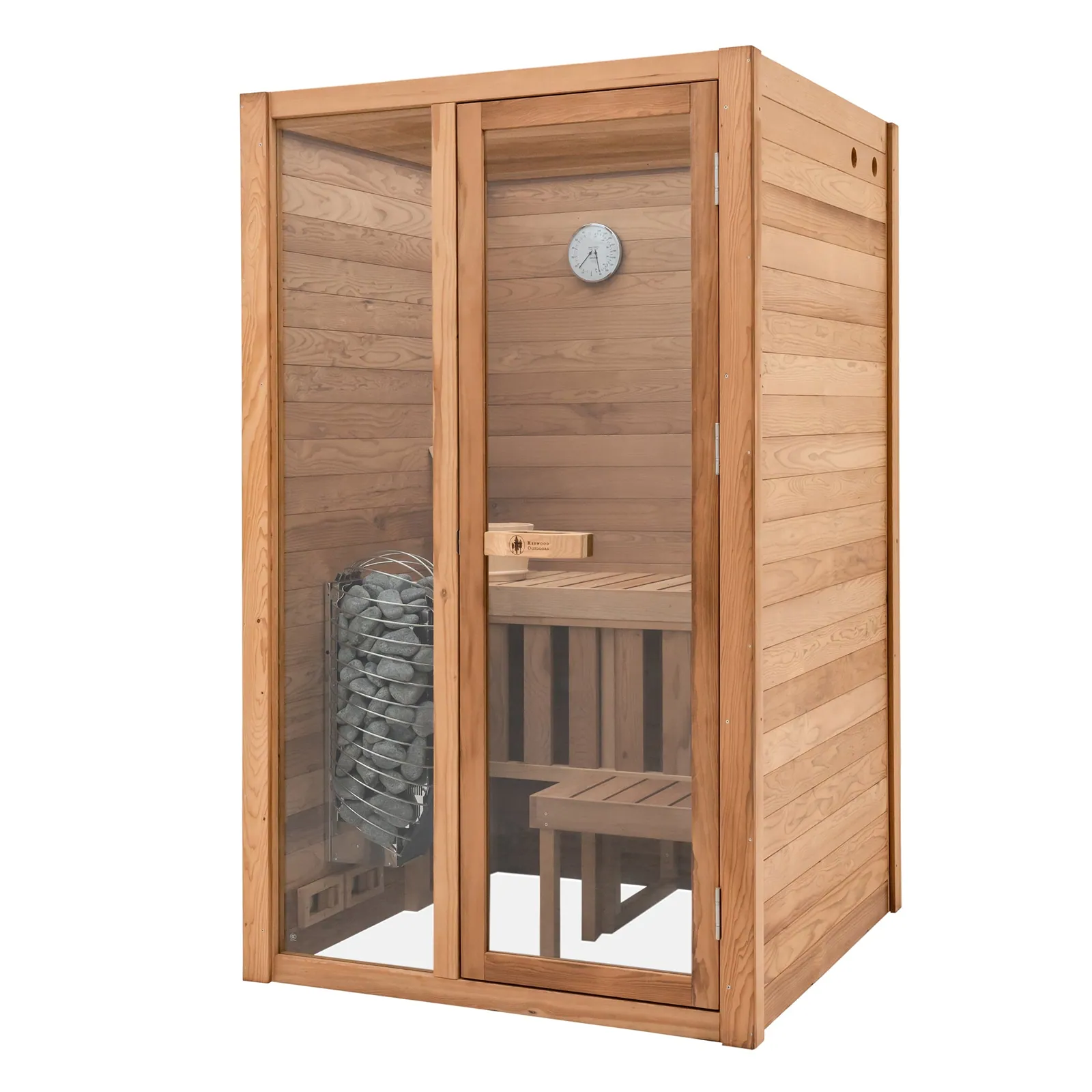
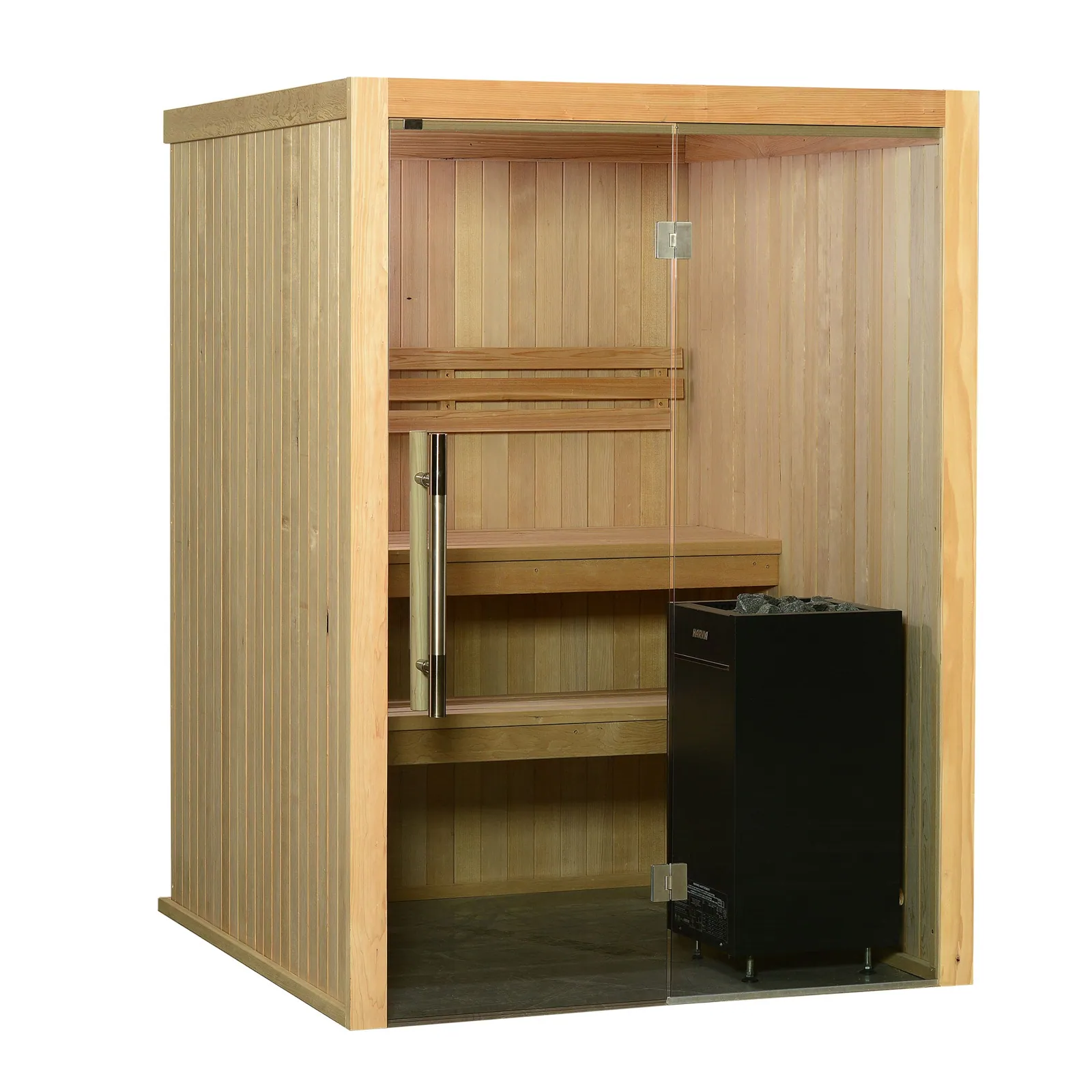
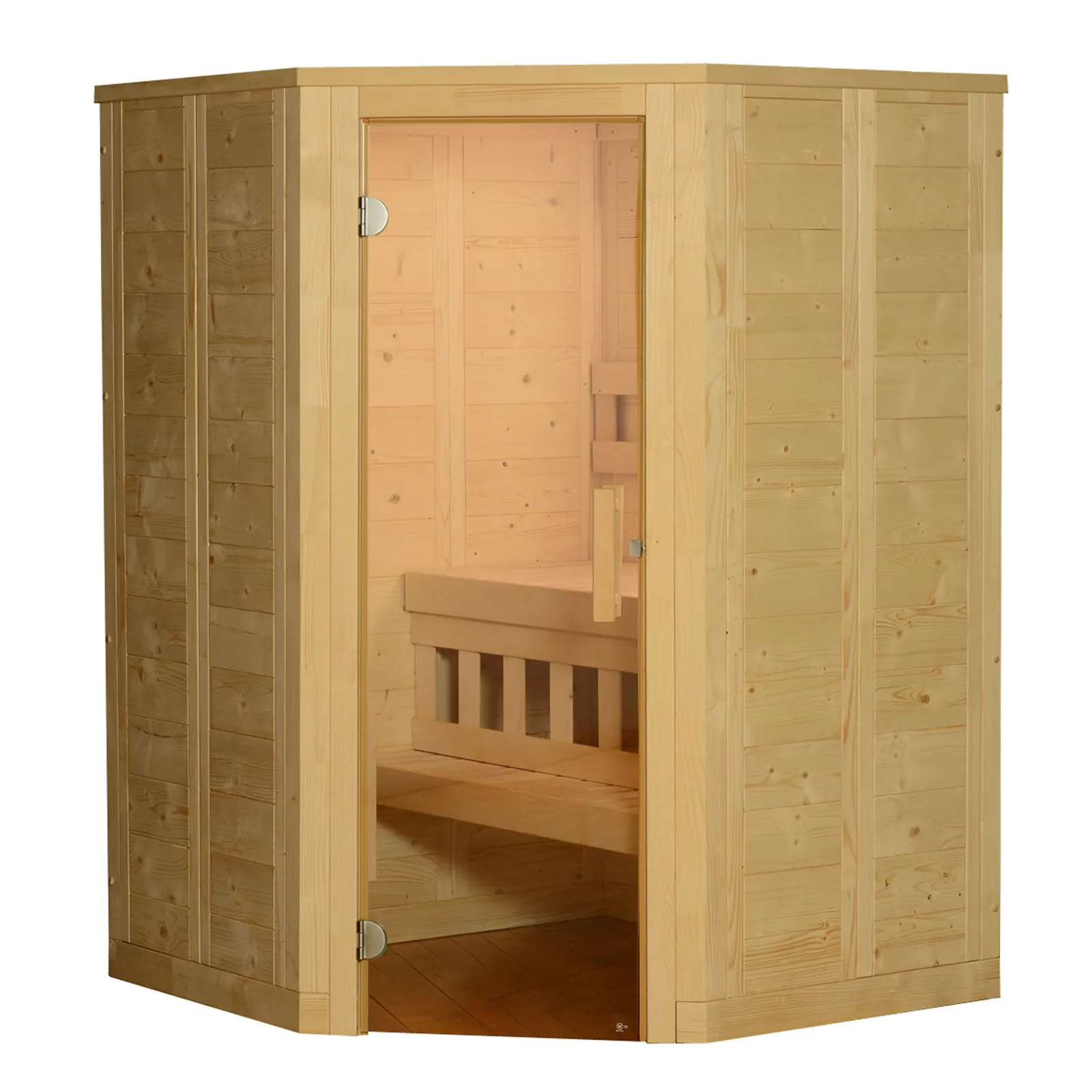
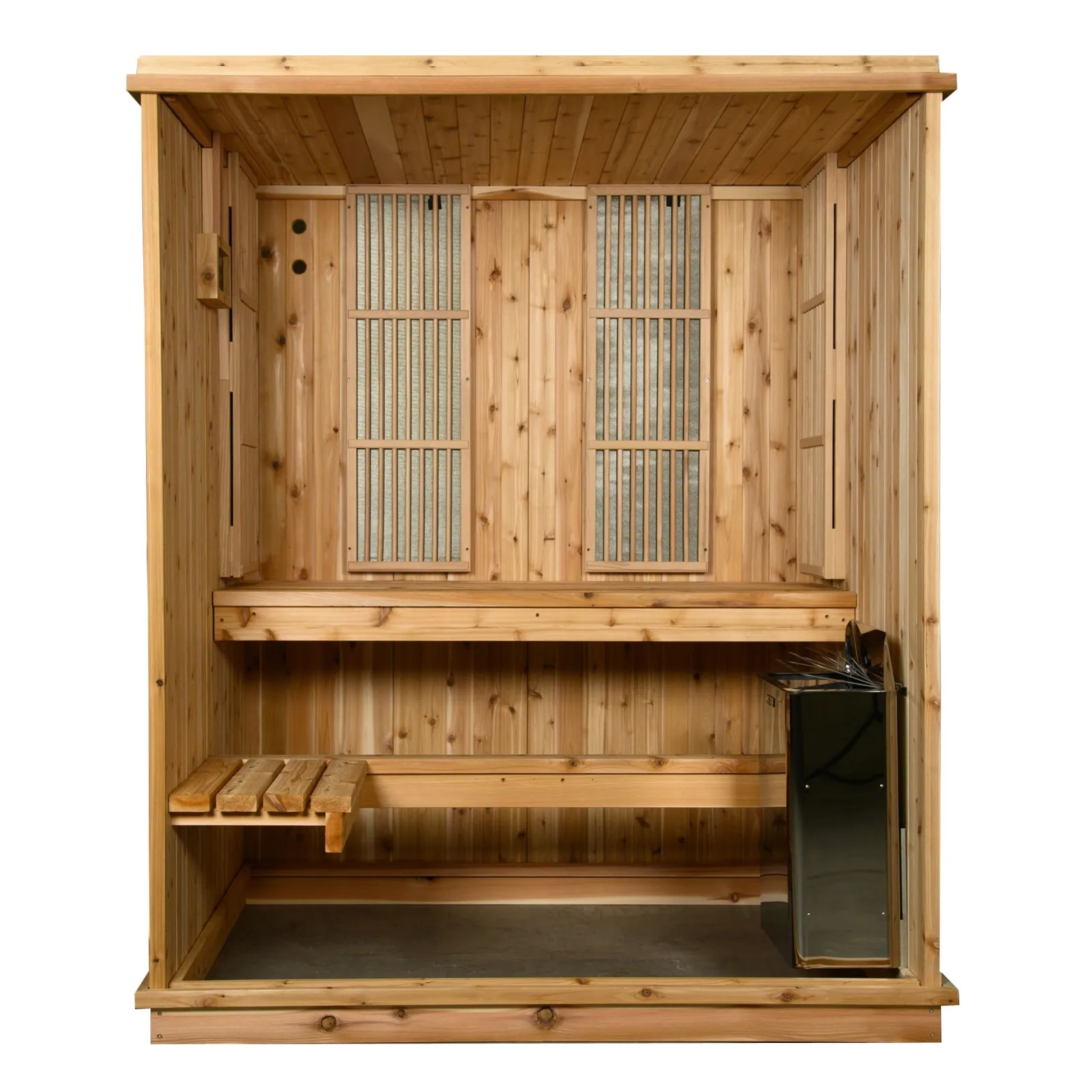
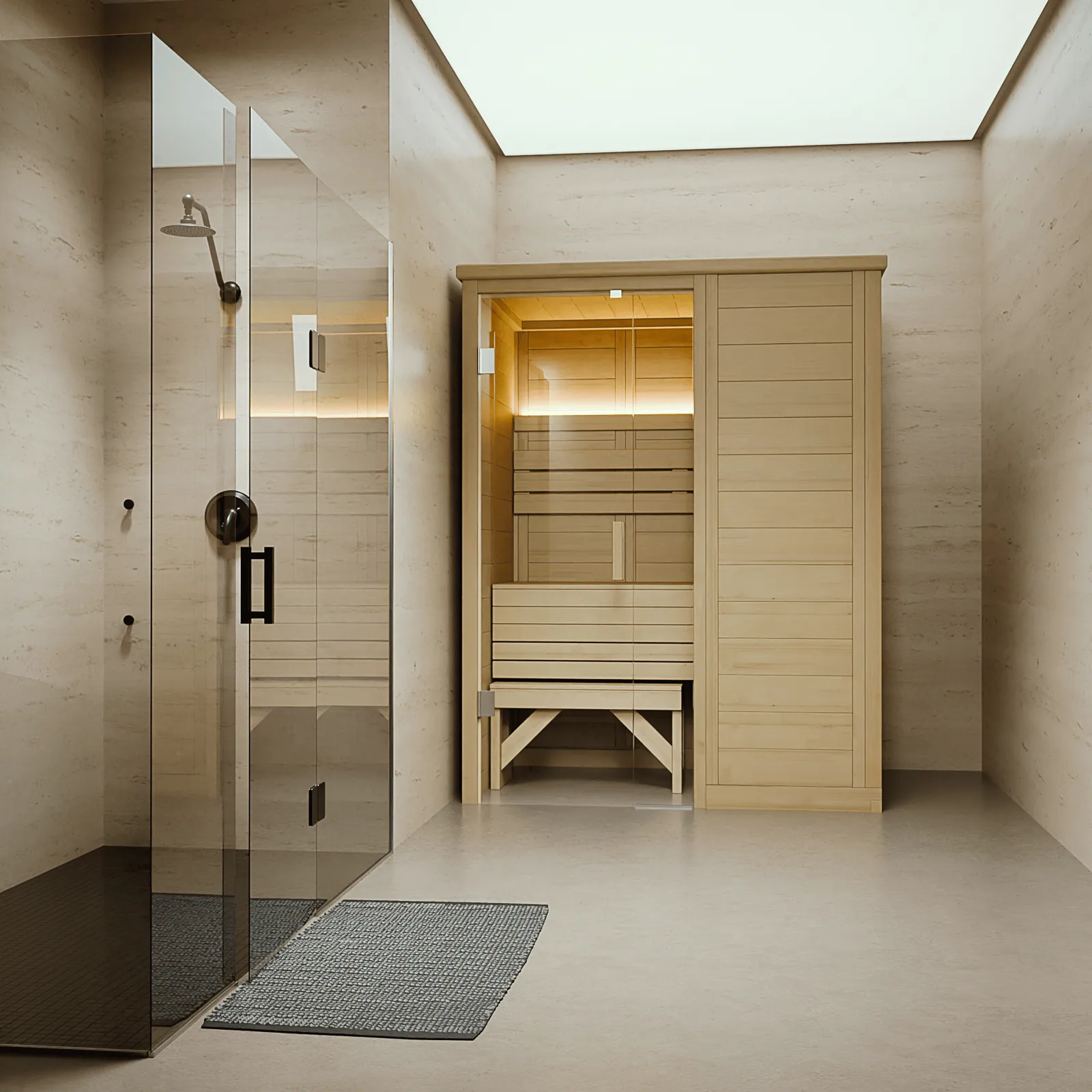
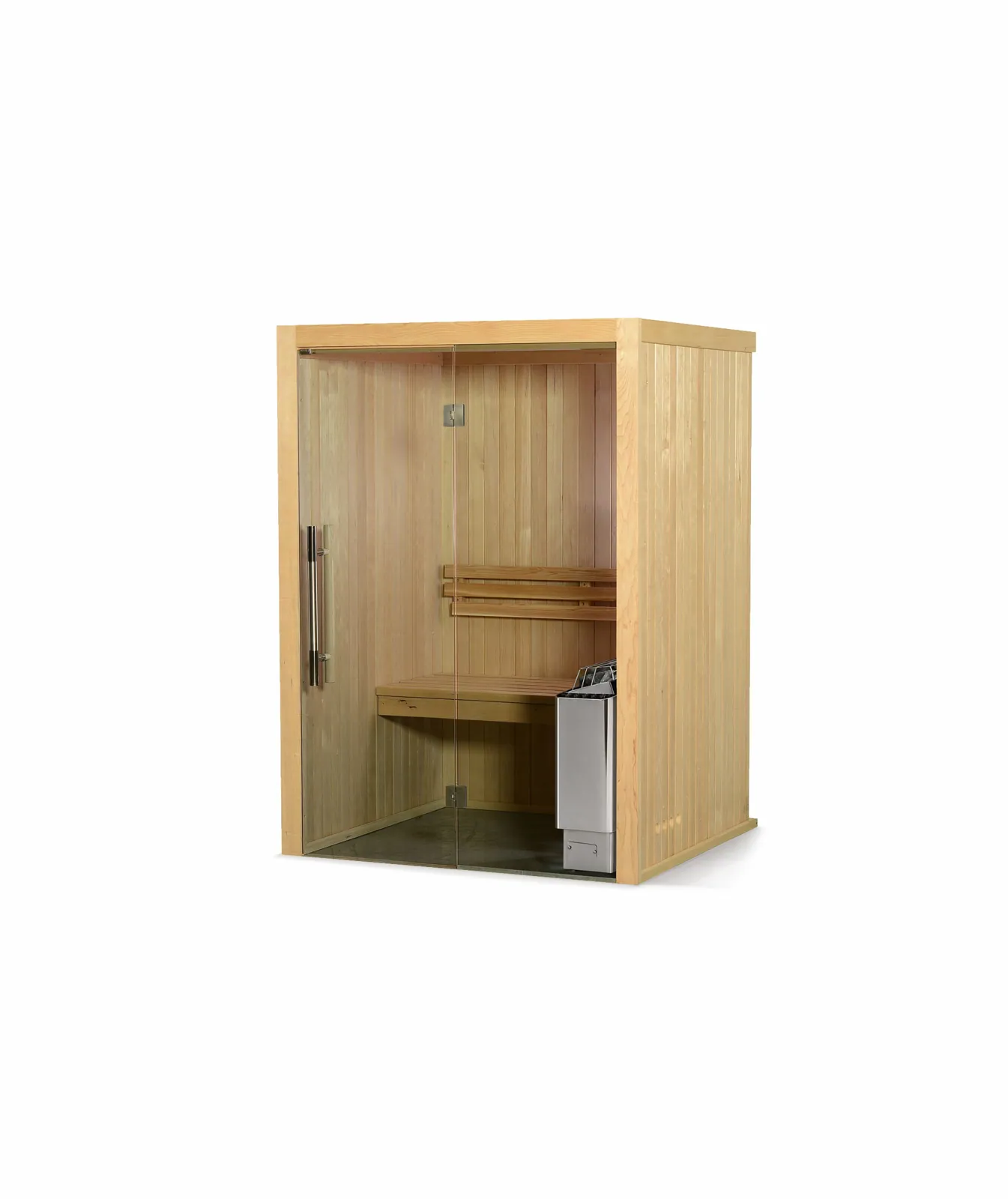
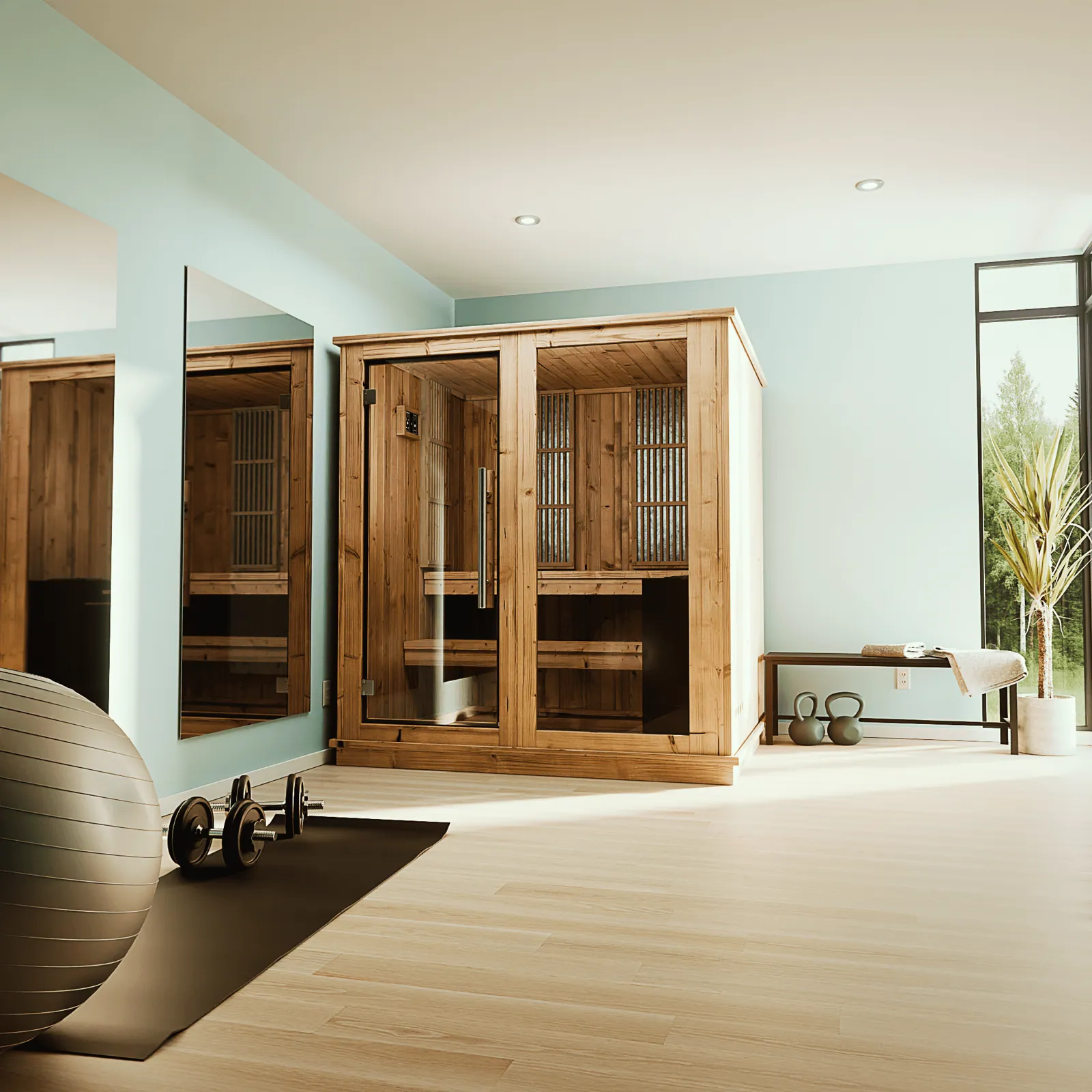
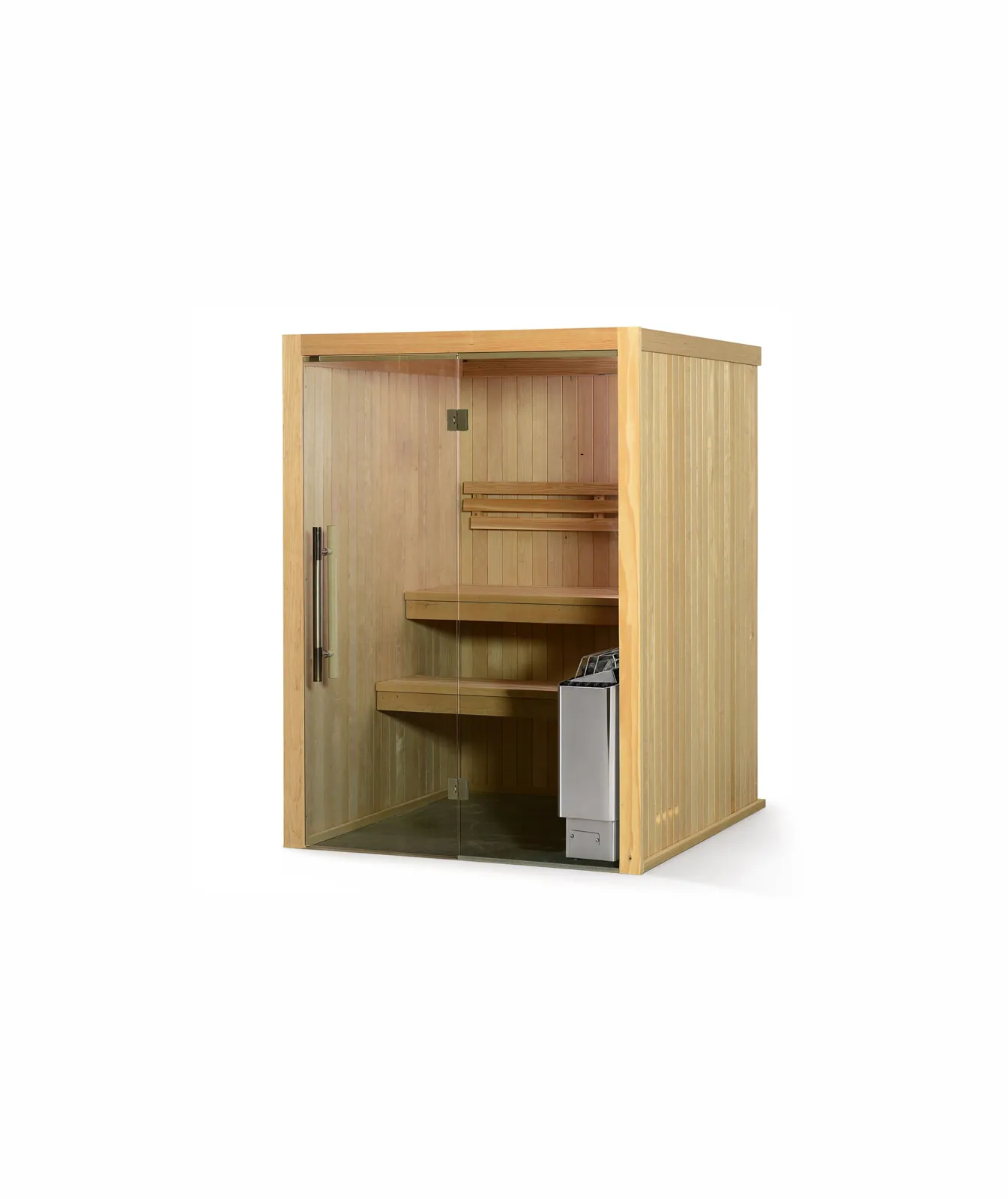
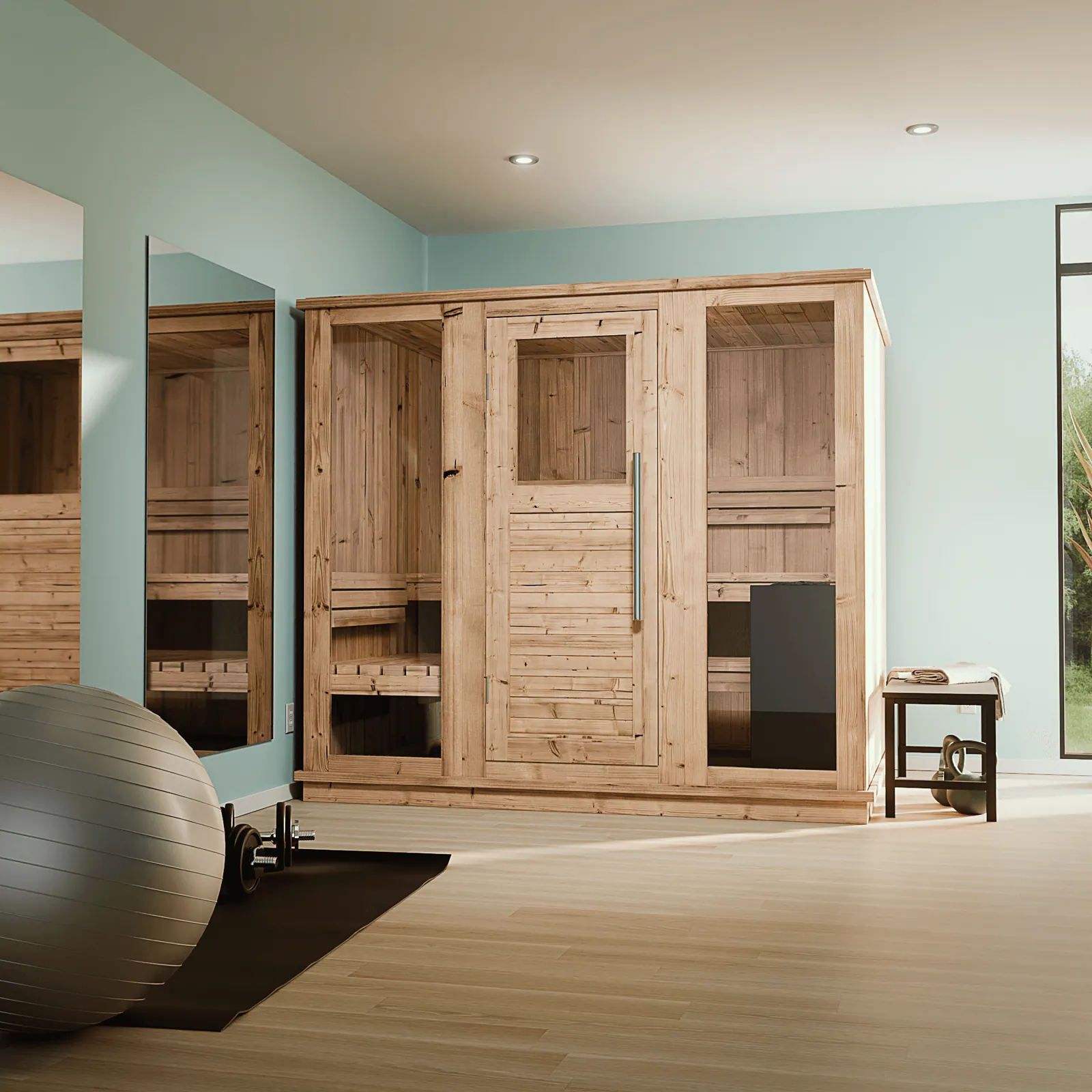
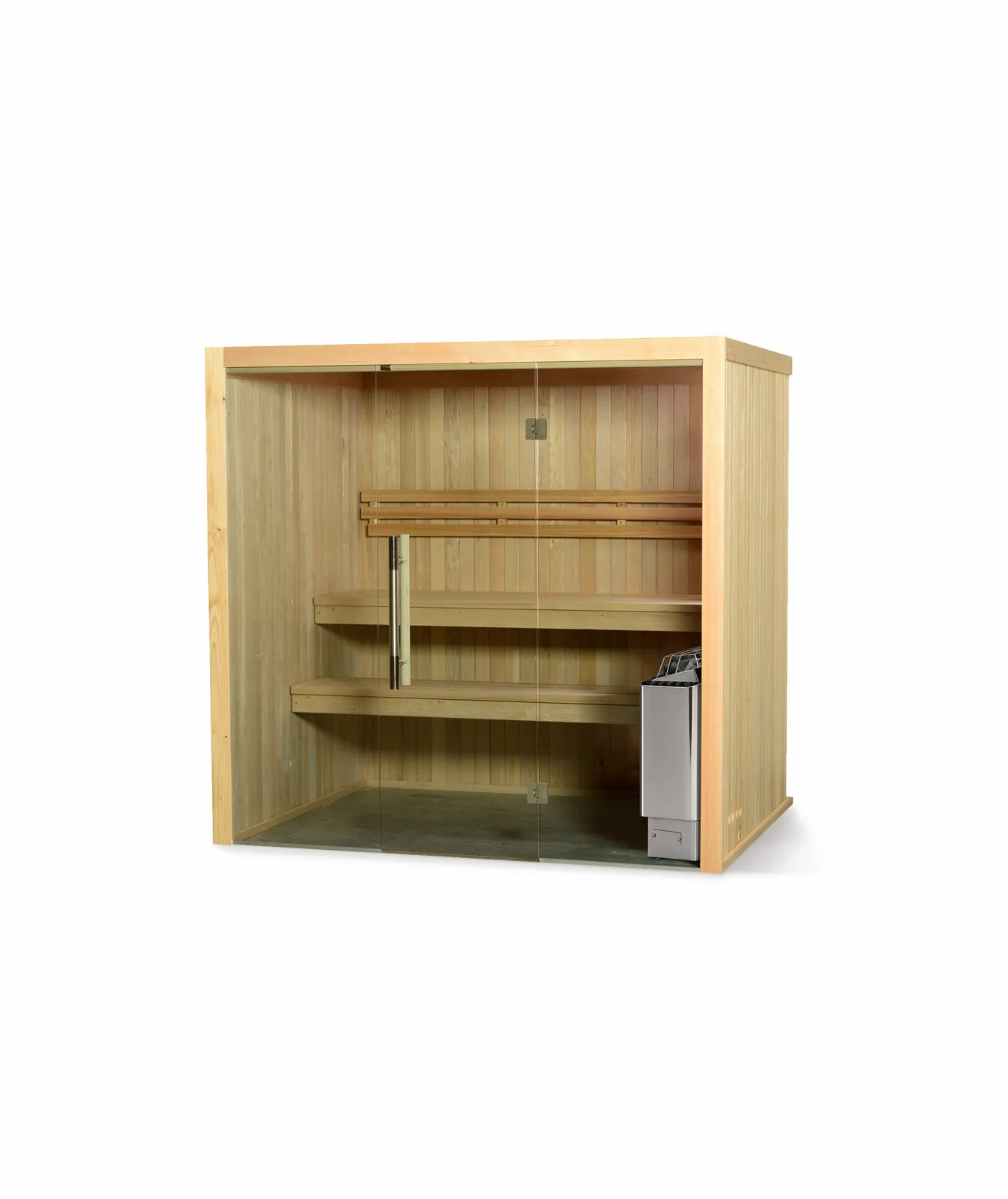
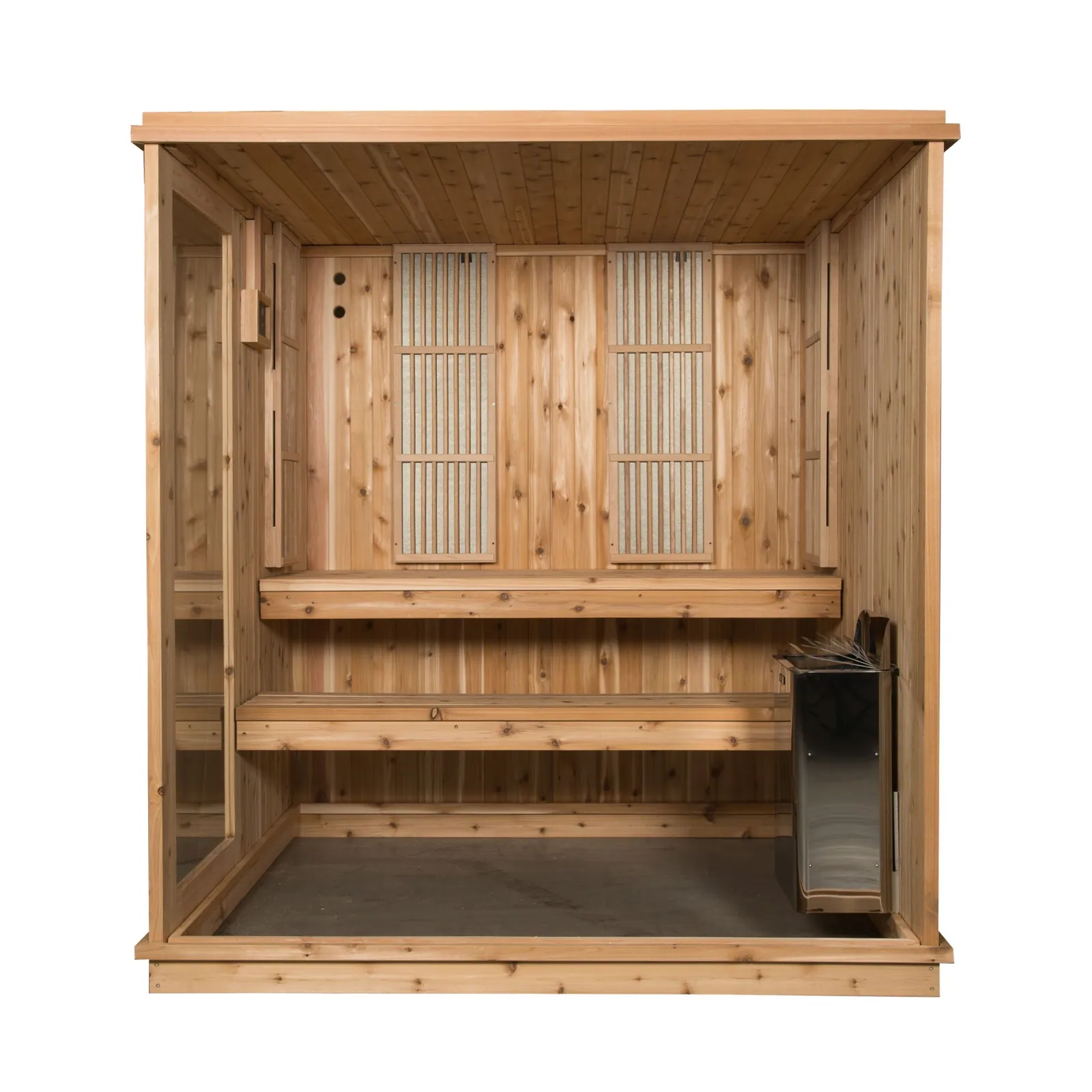
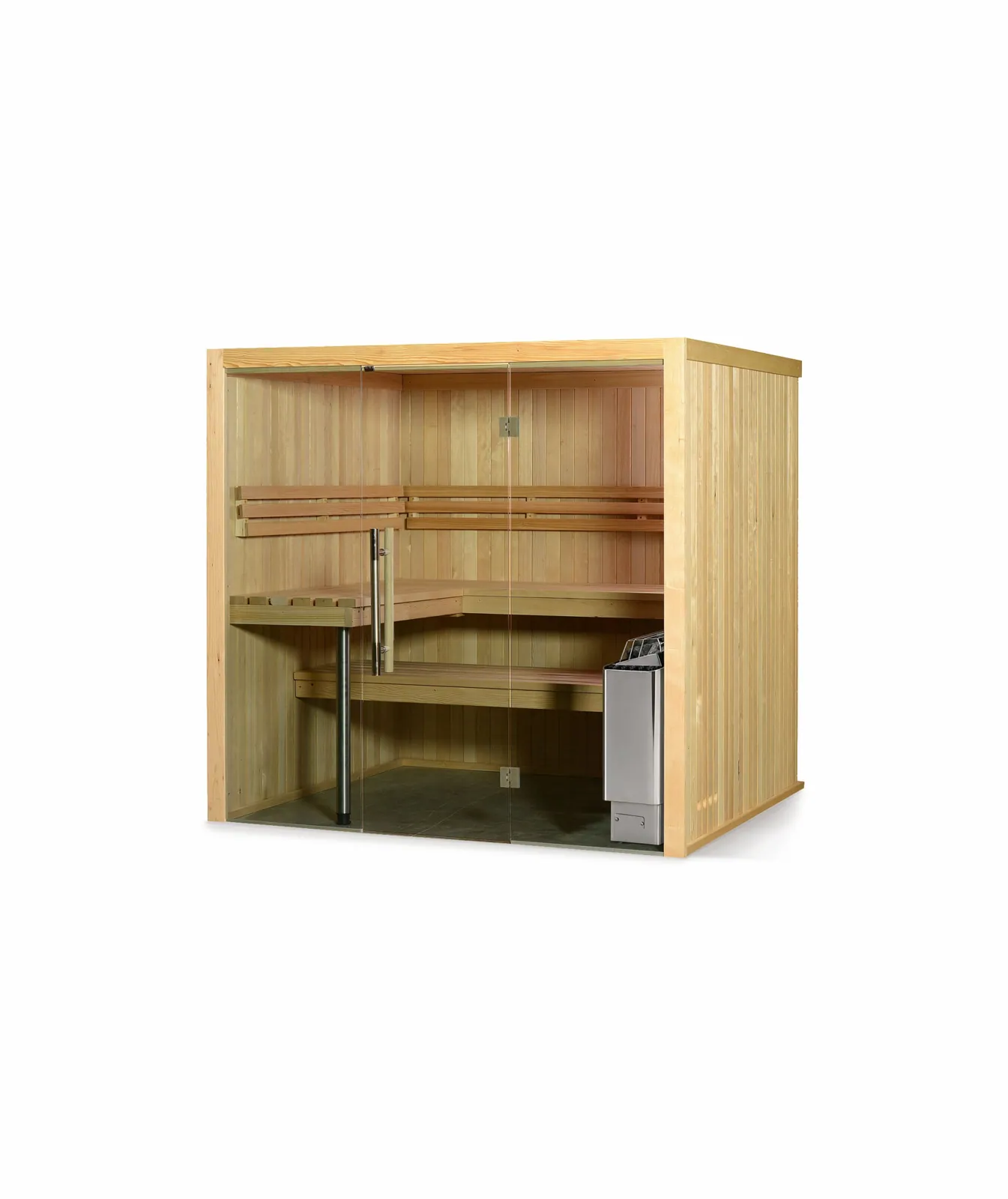
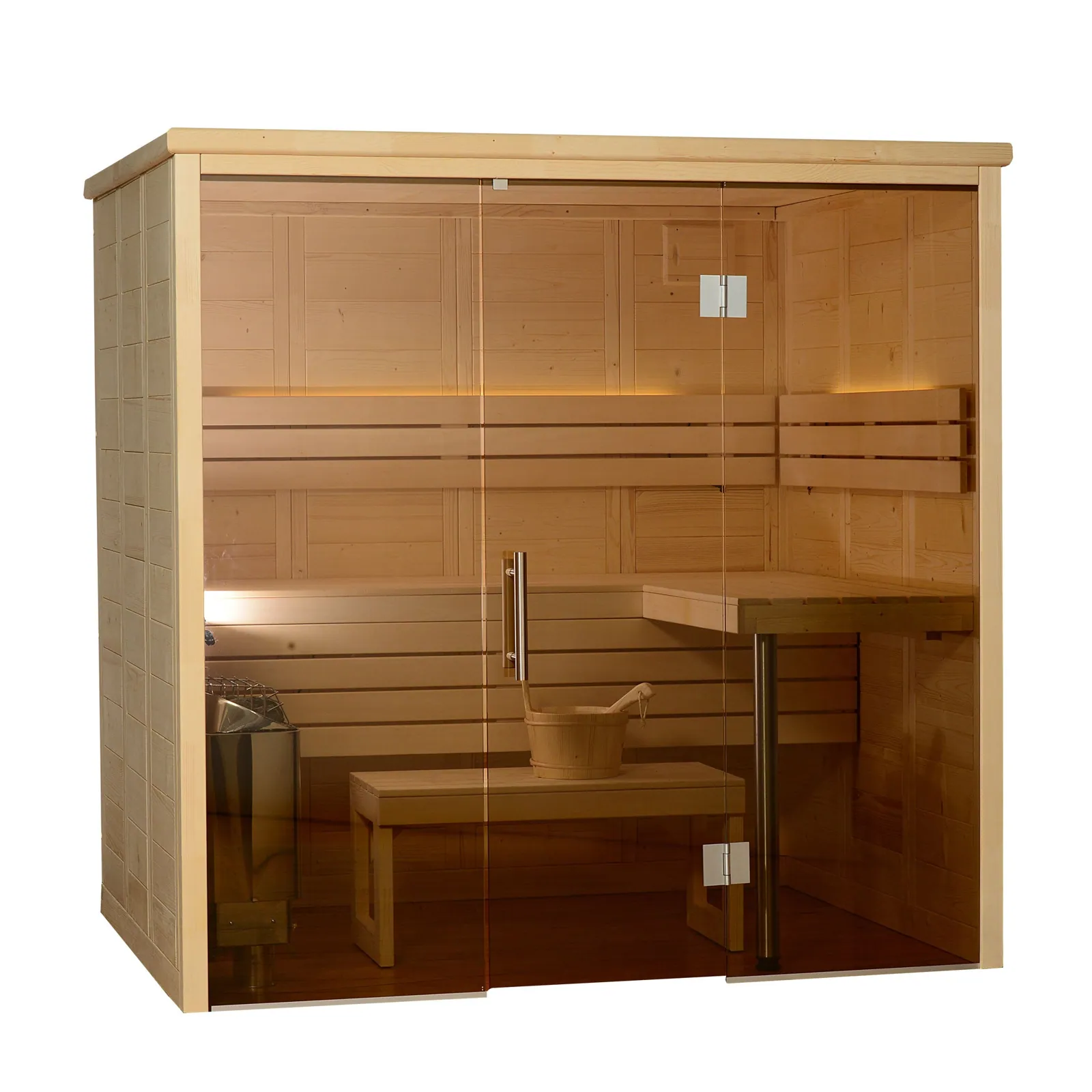
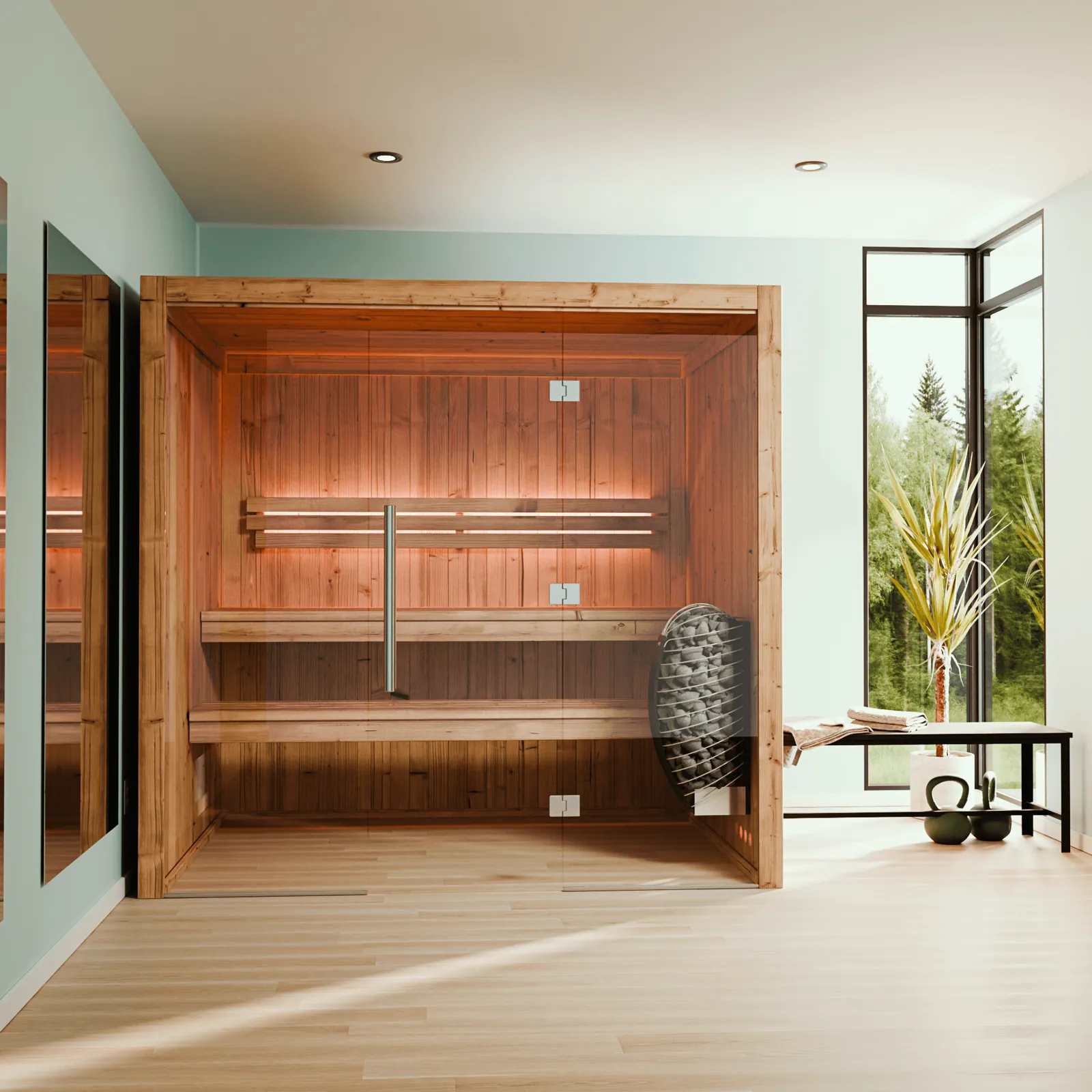
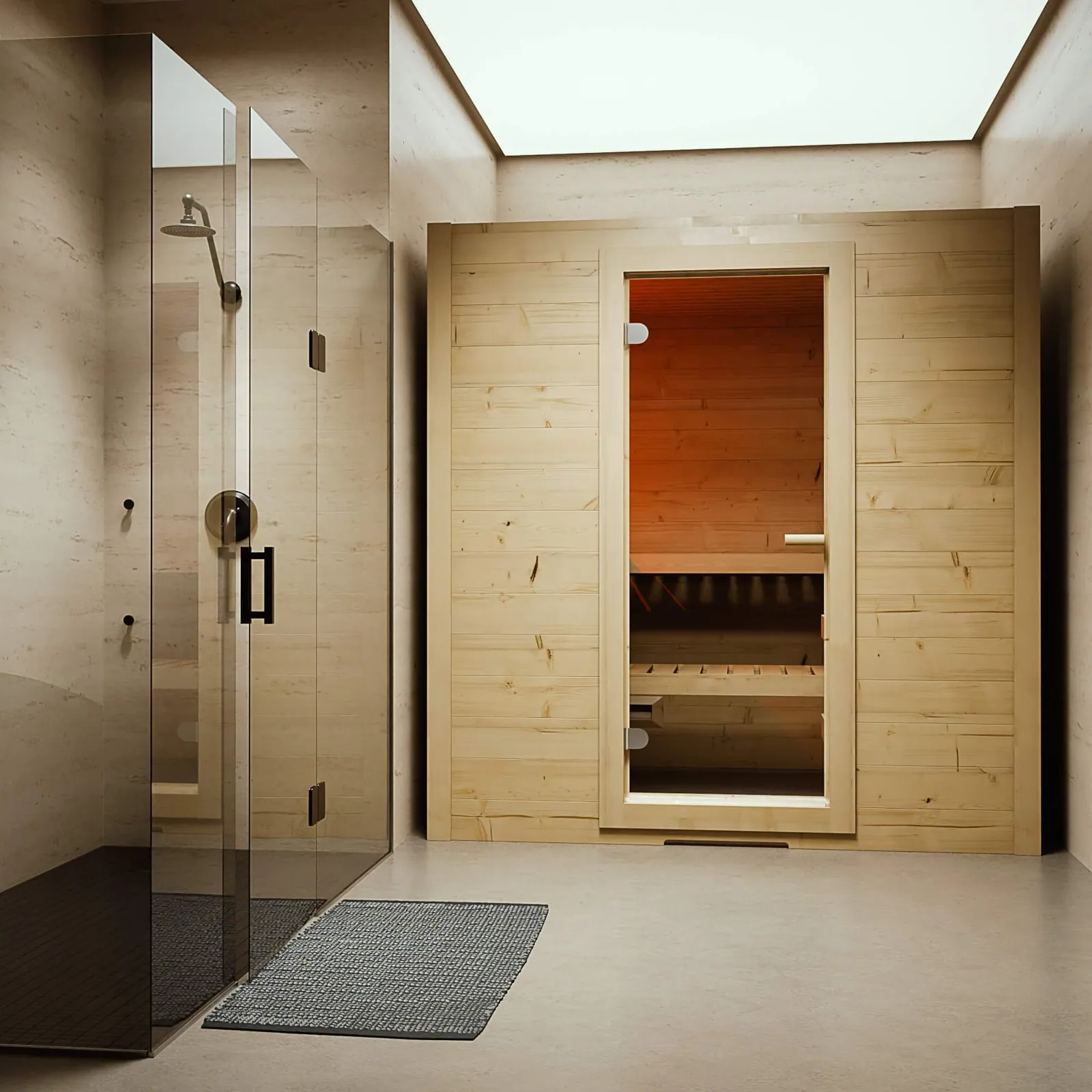
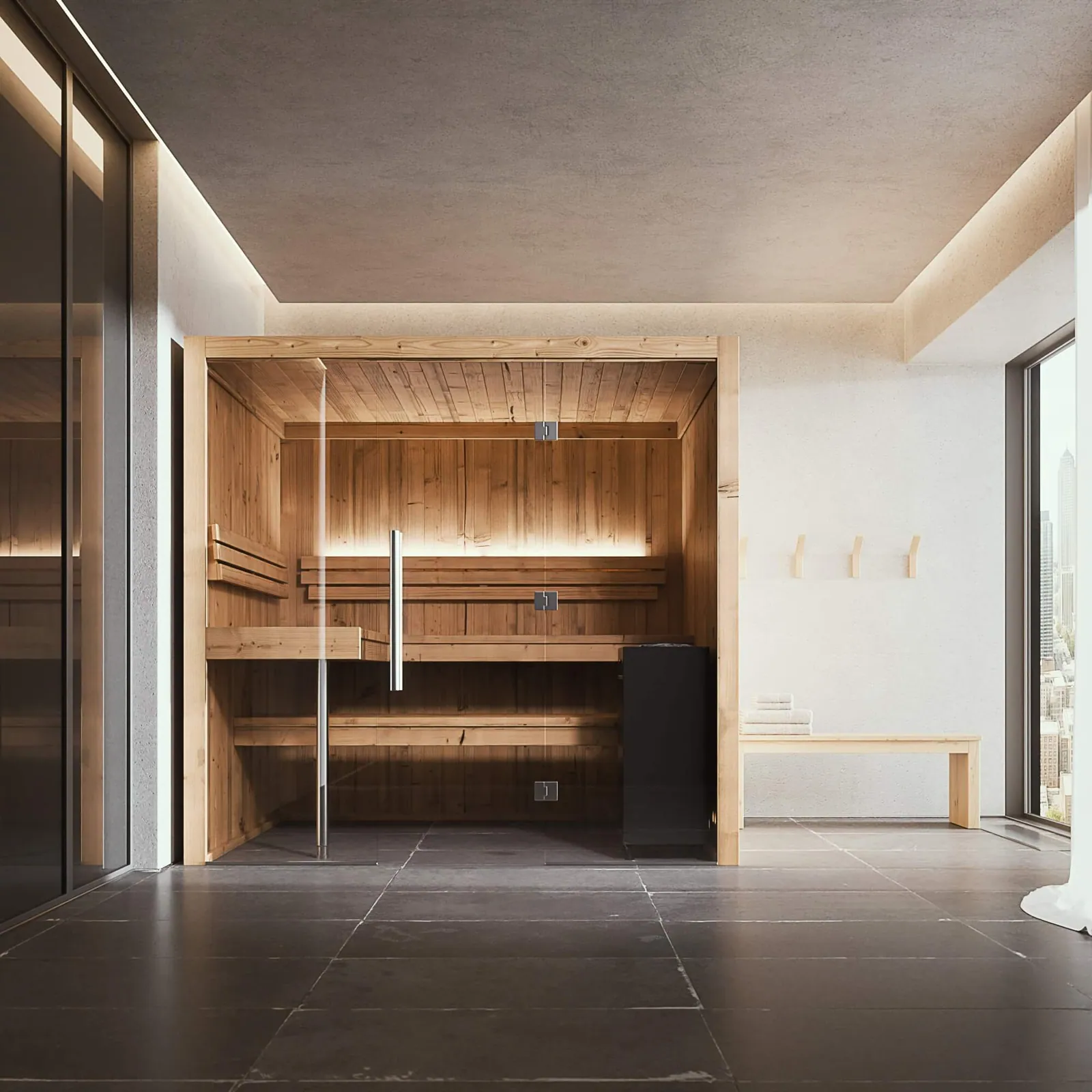
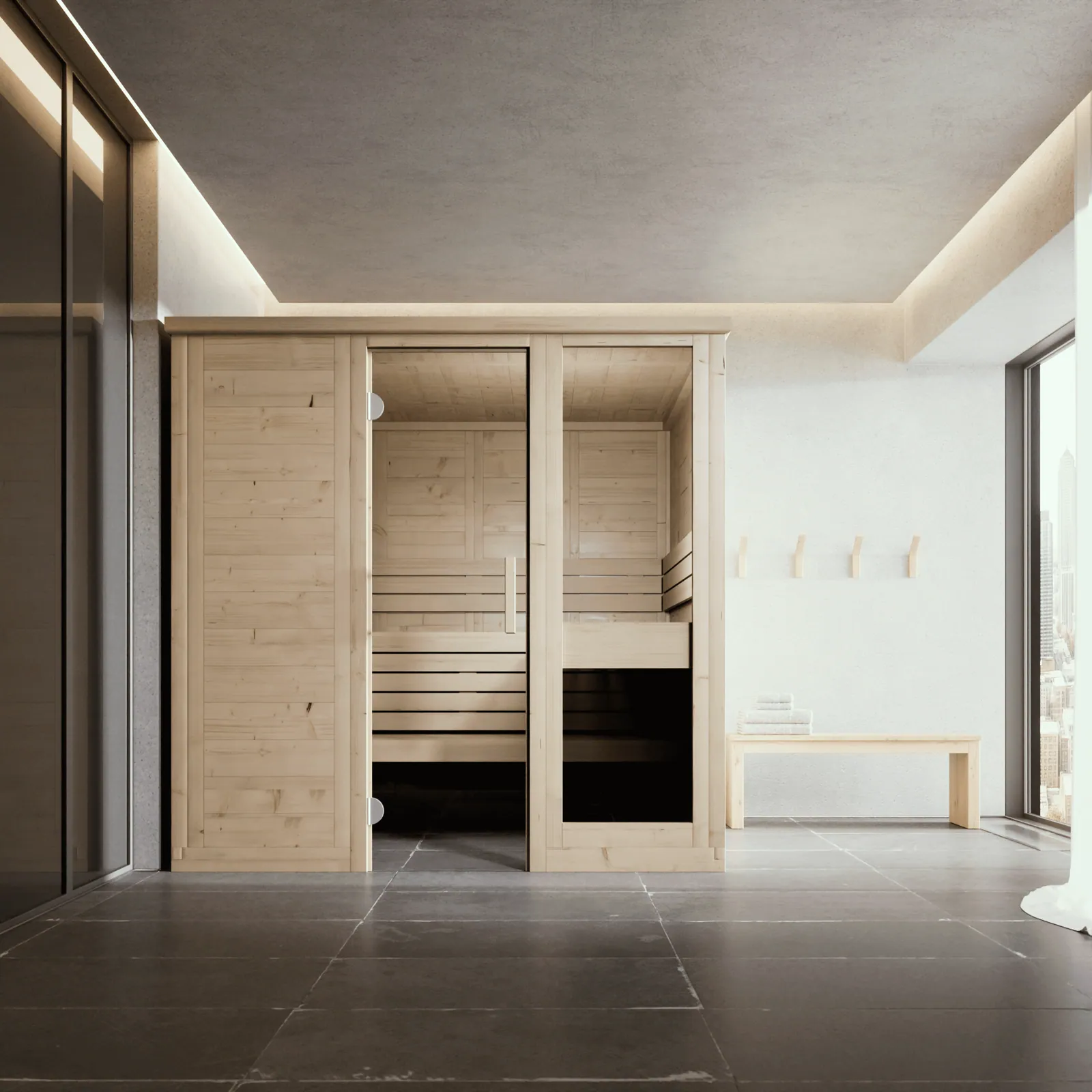
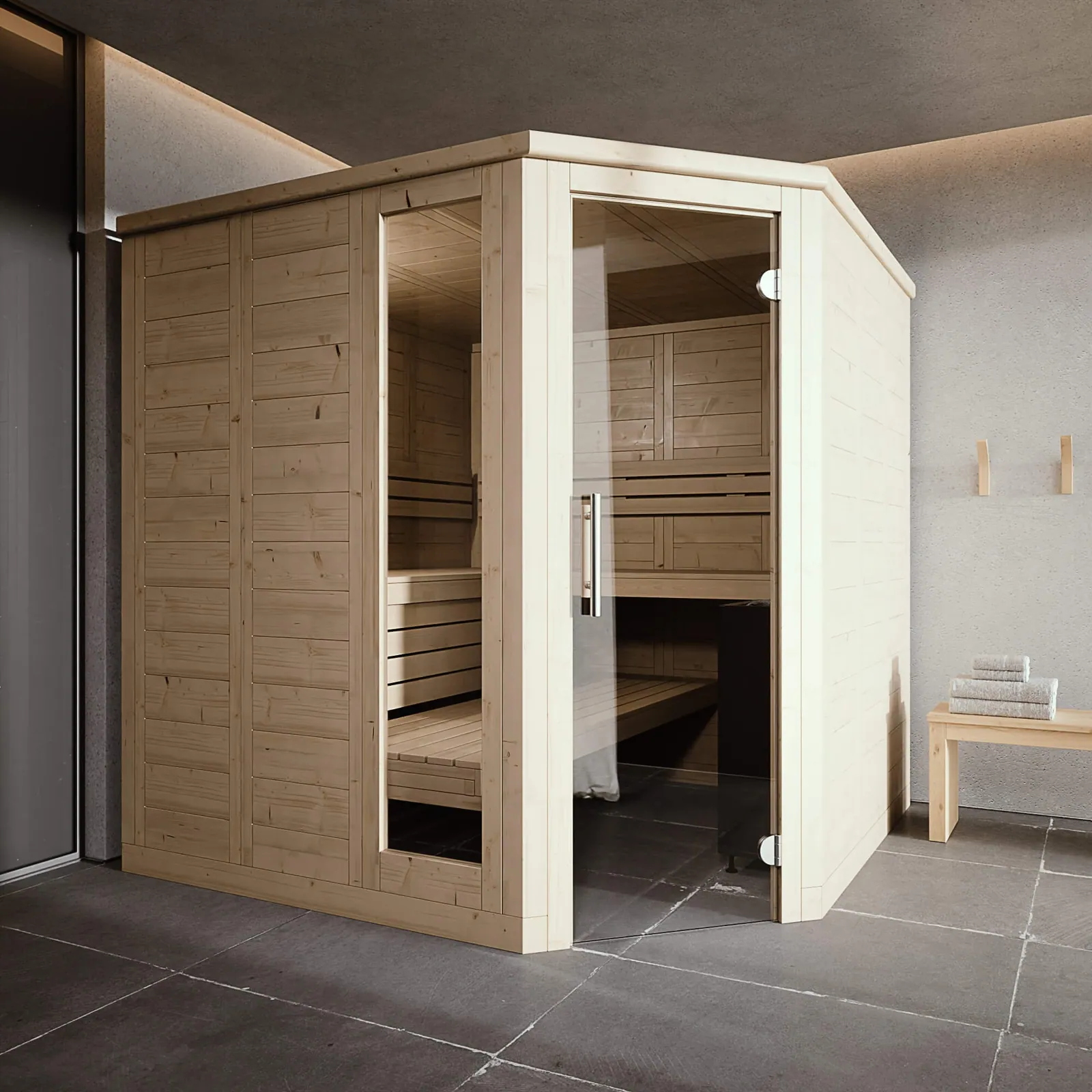
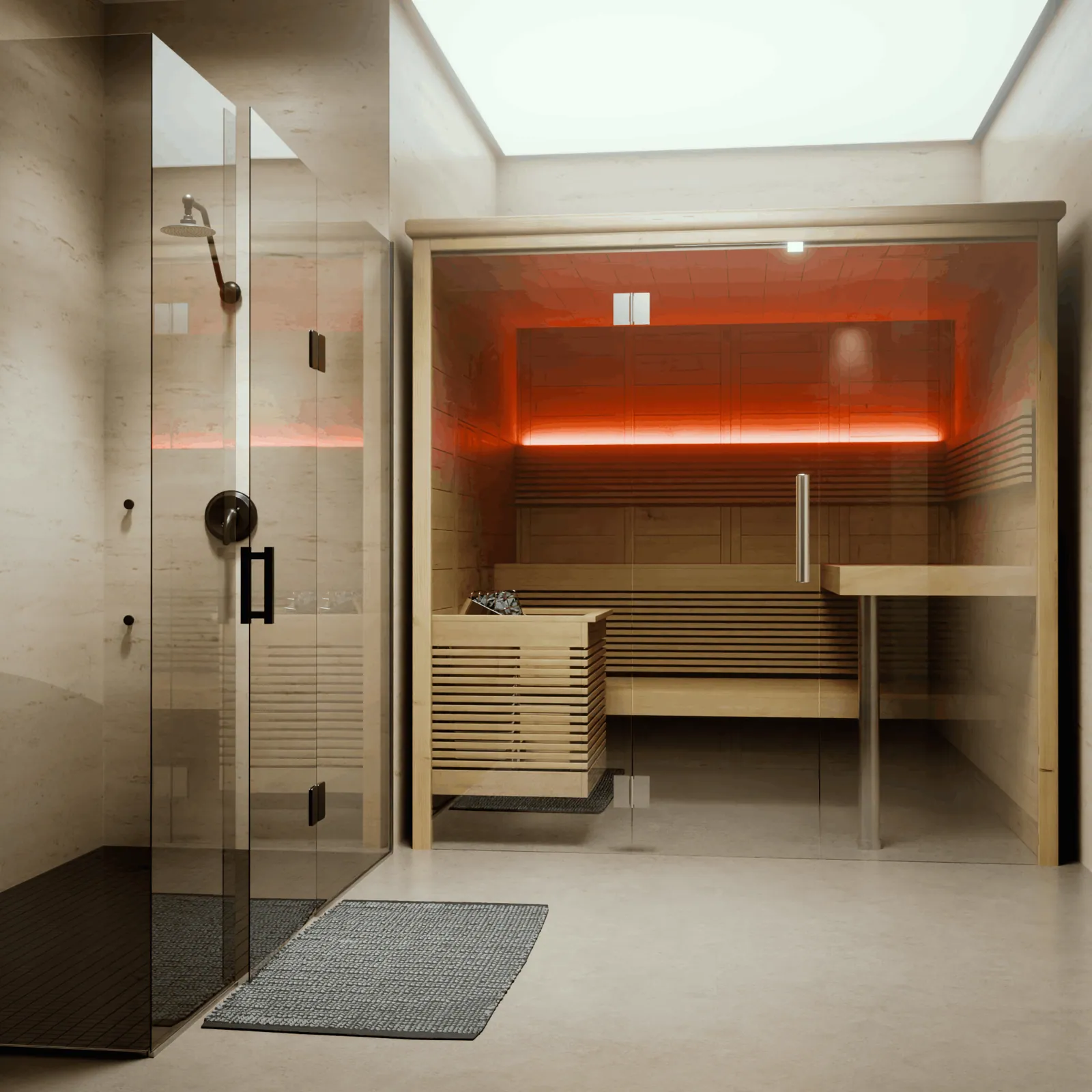
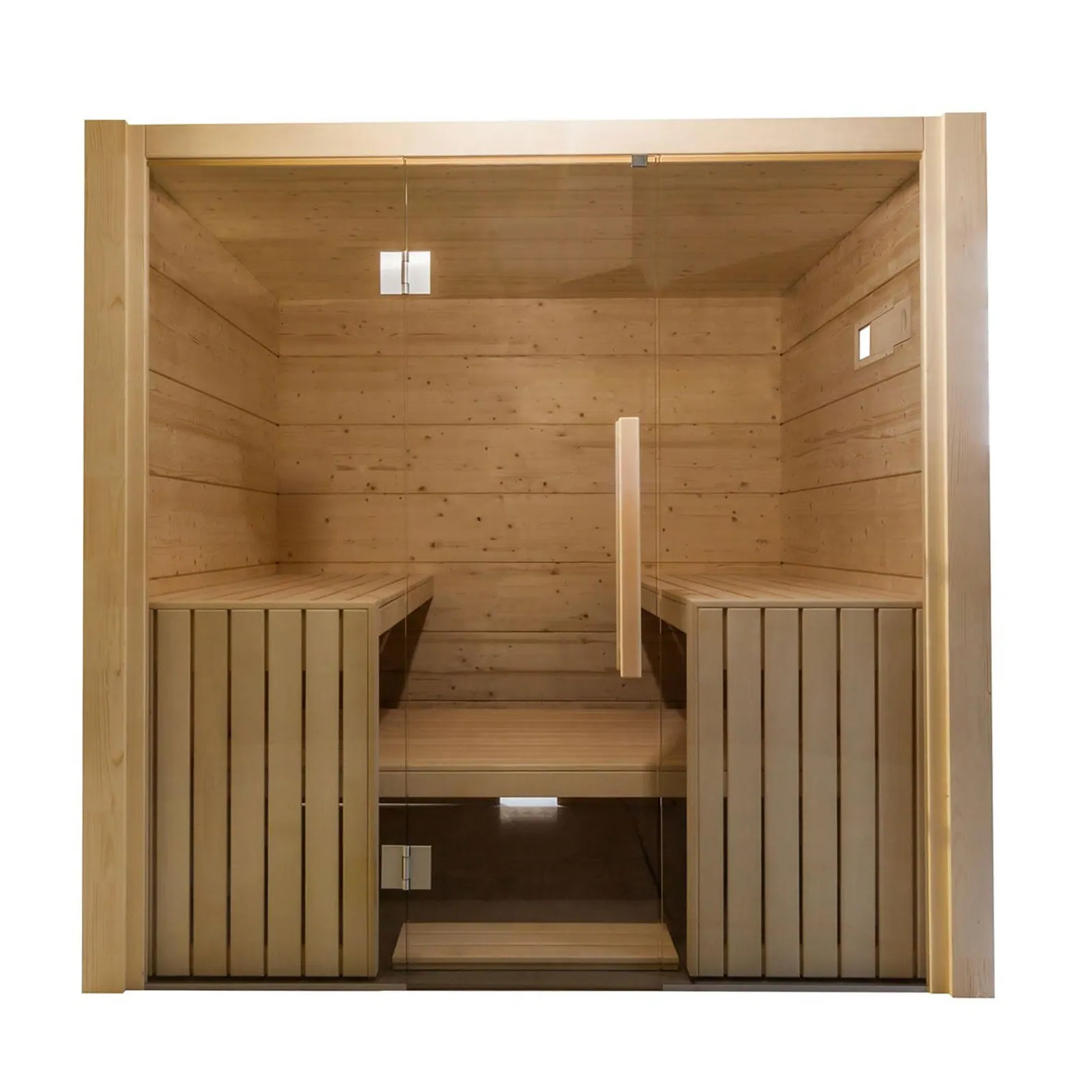
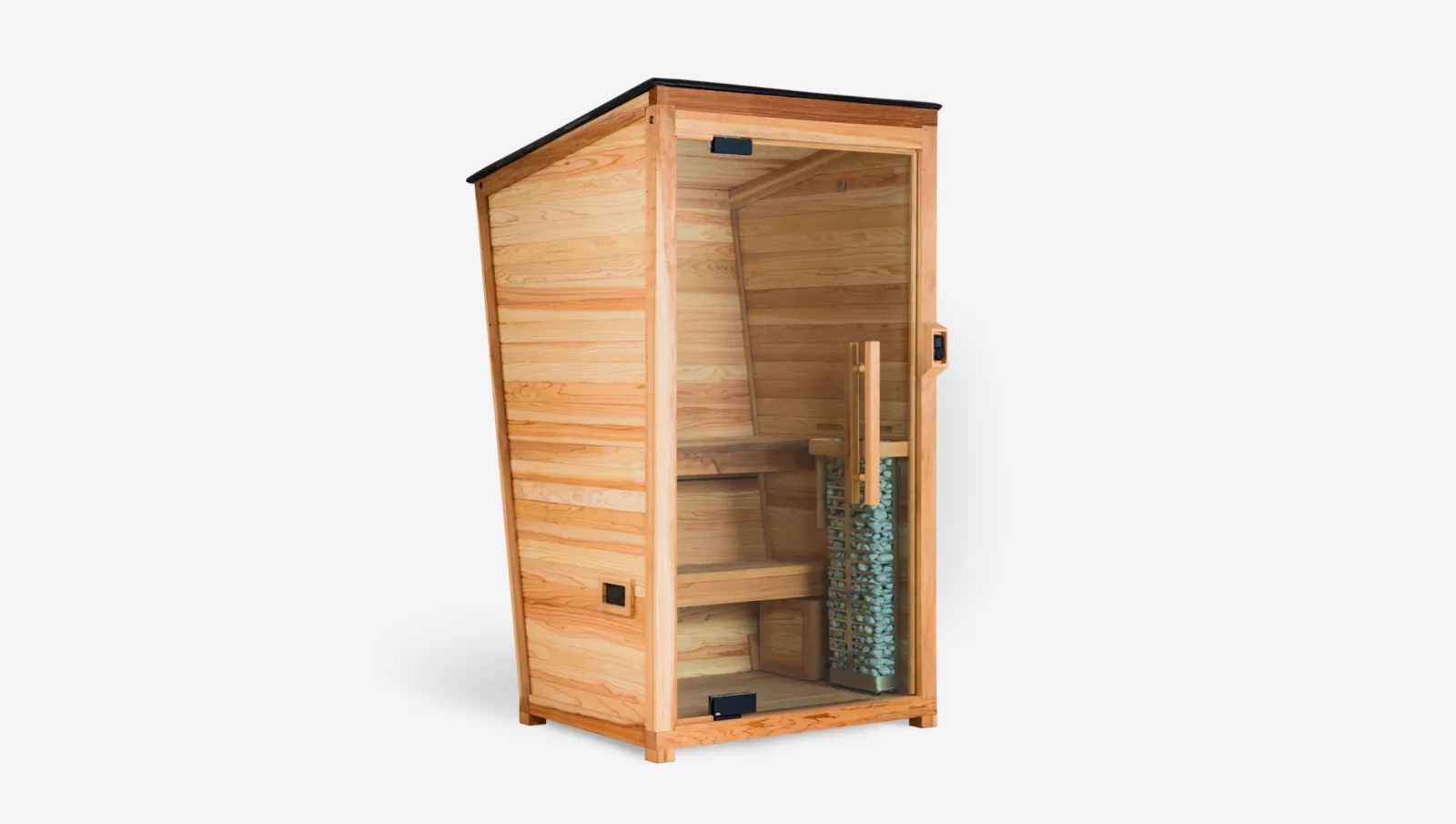
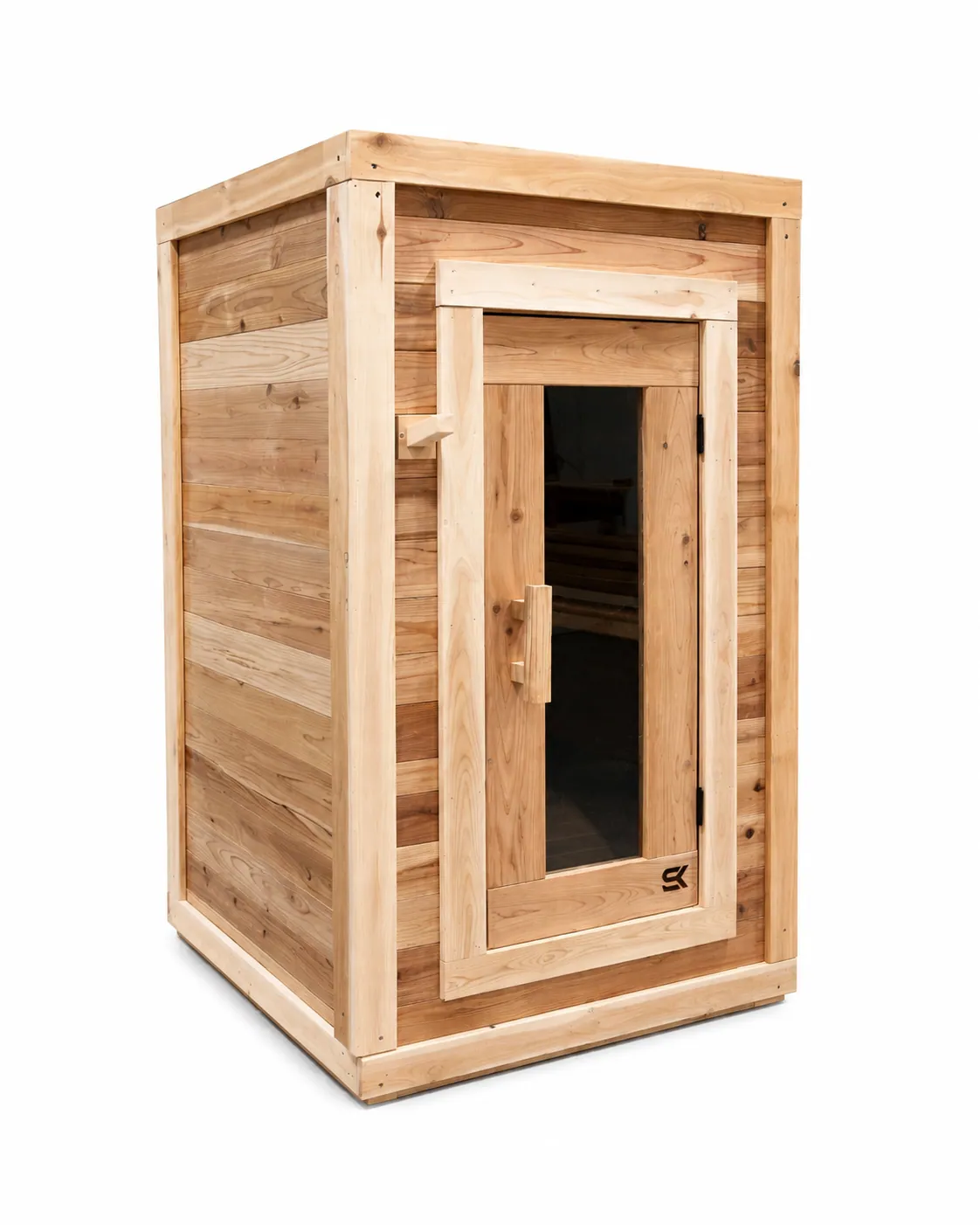
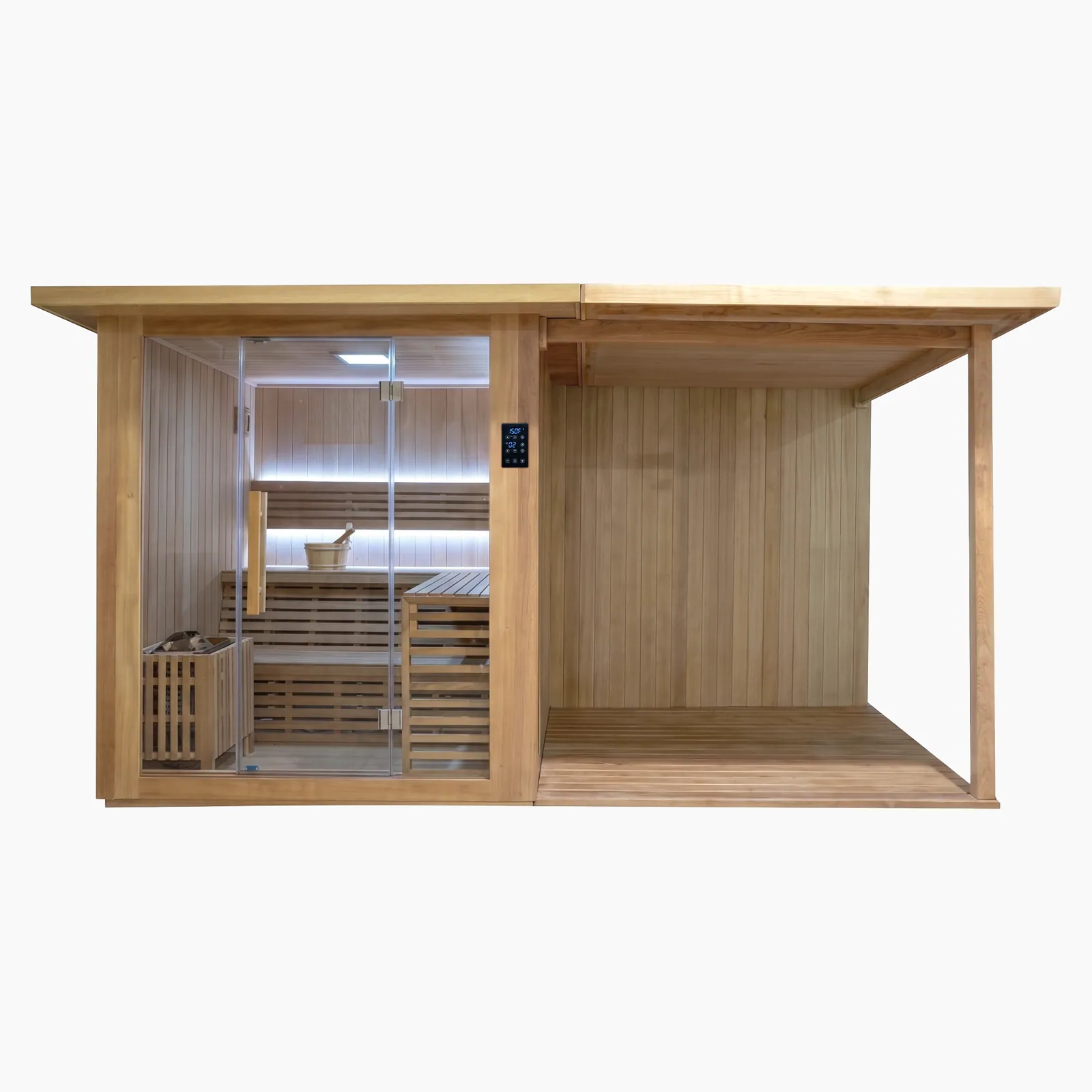
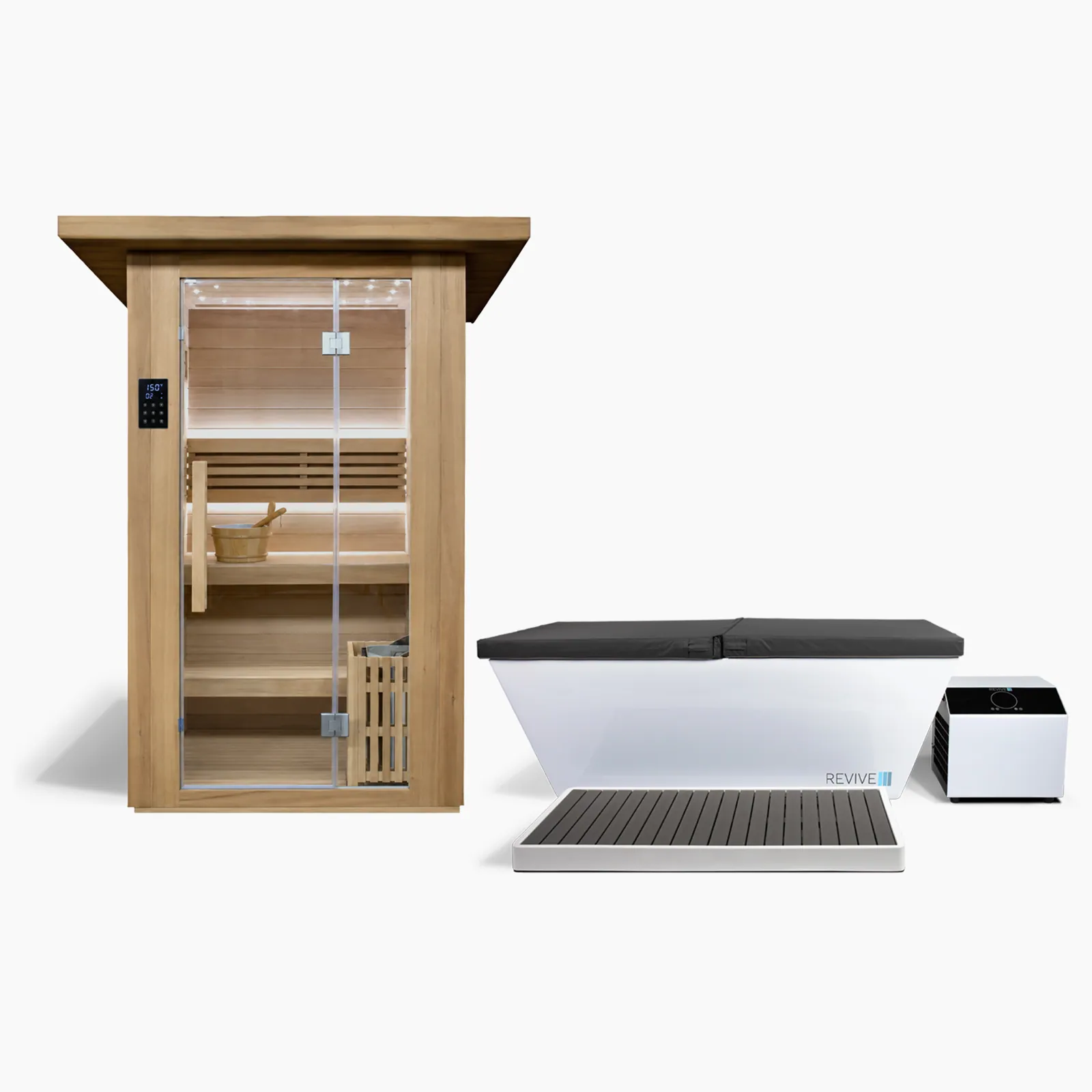
Indoor saunas are kits or prefab rooms that go in a basement, garage, bathroom or spare room. They do not need a roof or a foundation, but they do need a floor that can take moisture, a dedicated circuit and, for a traditional heater, a fresh air intake and an exhaust vent.
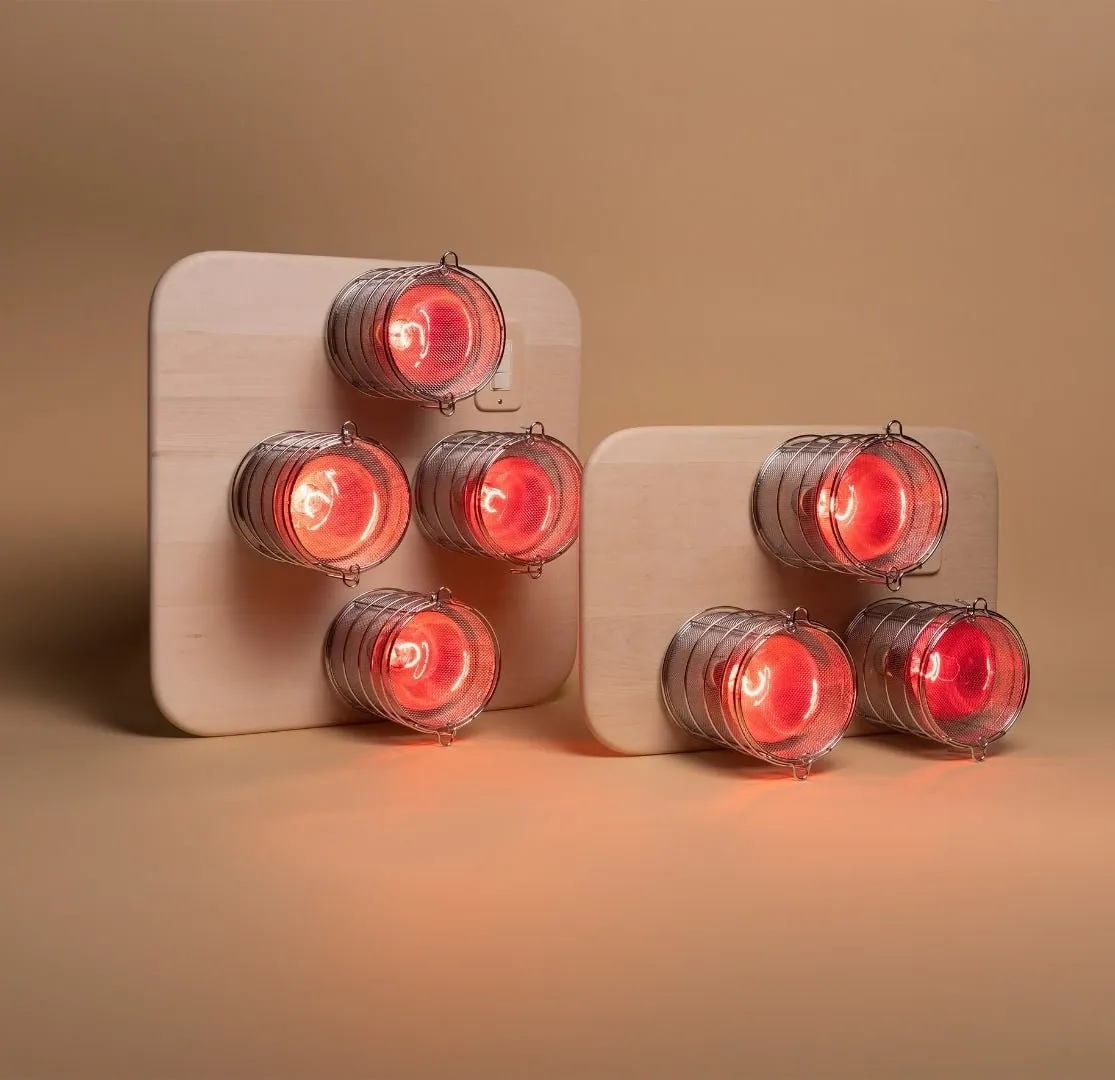
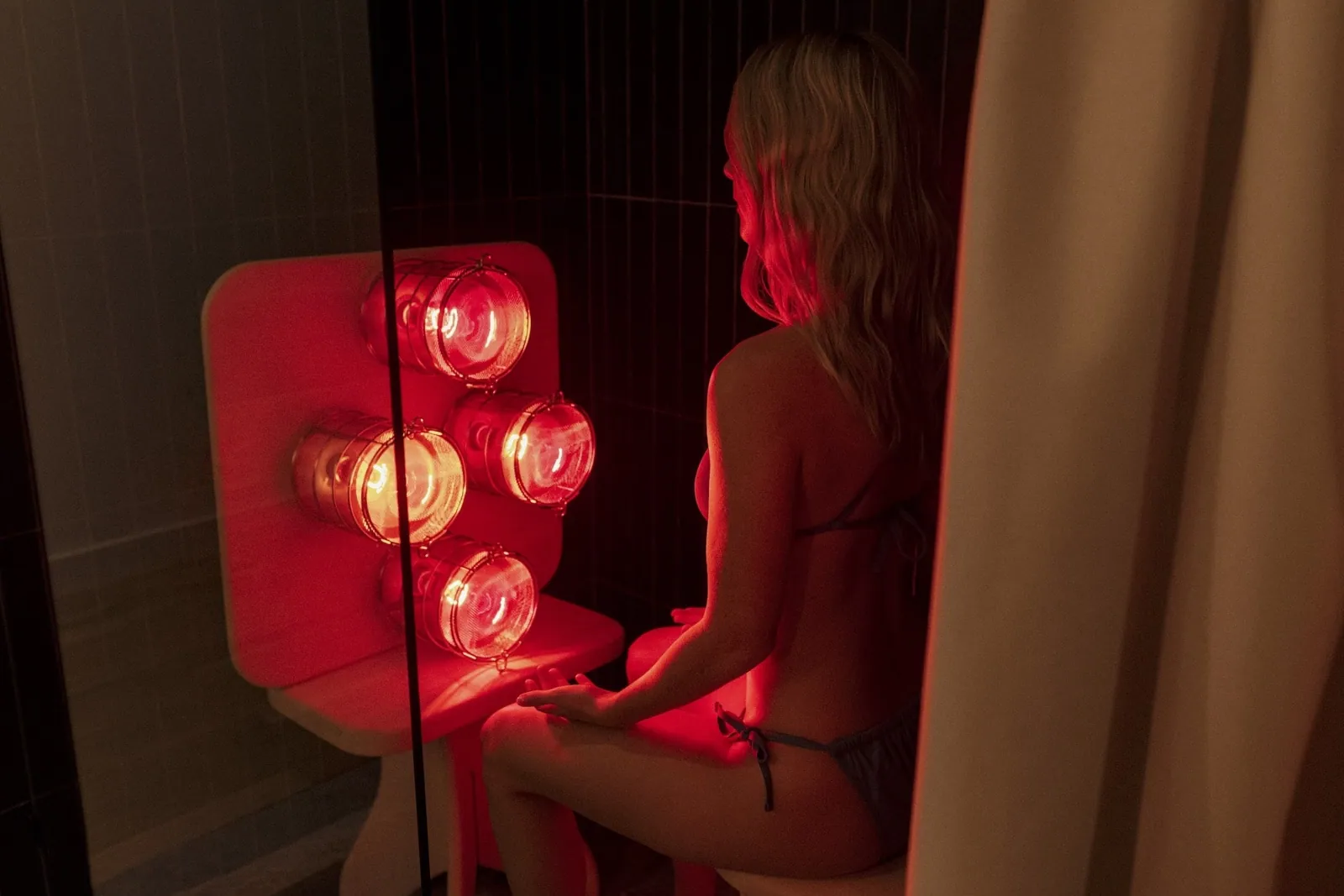
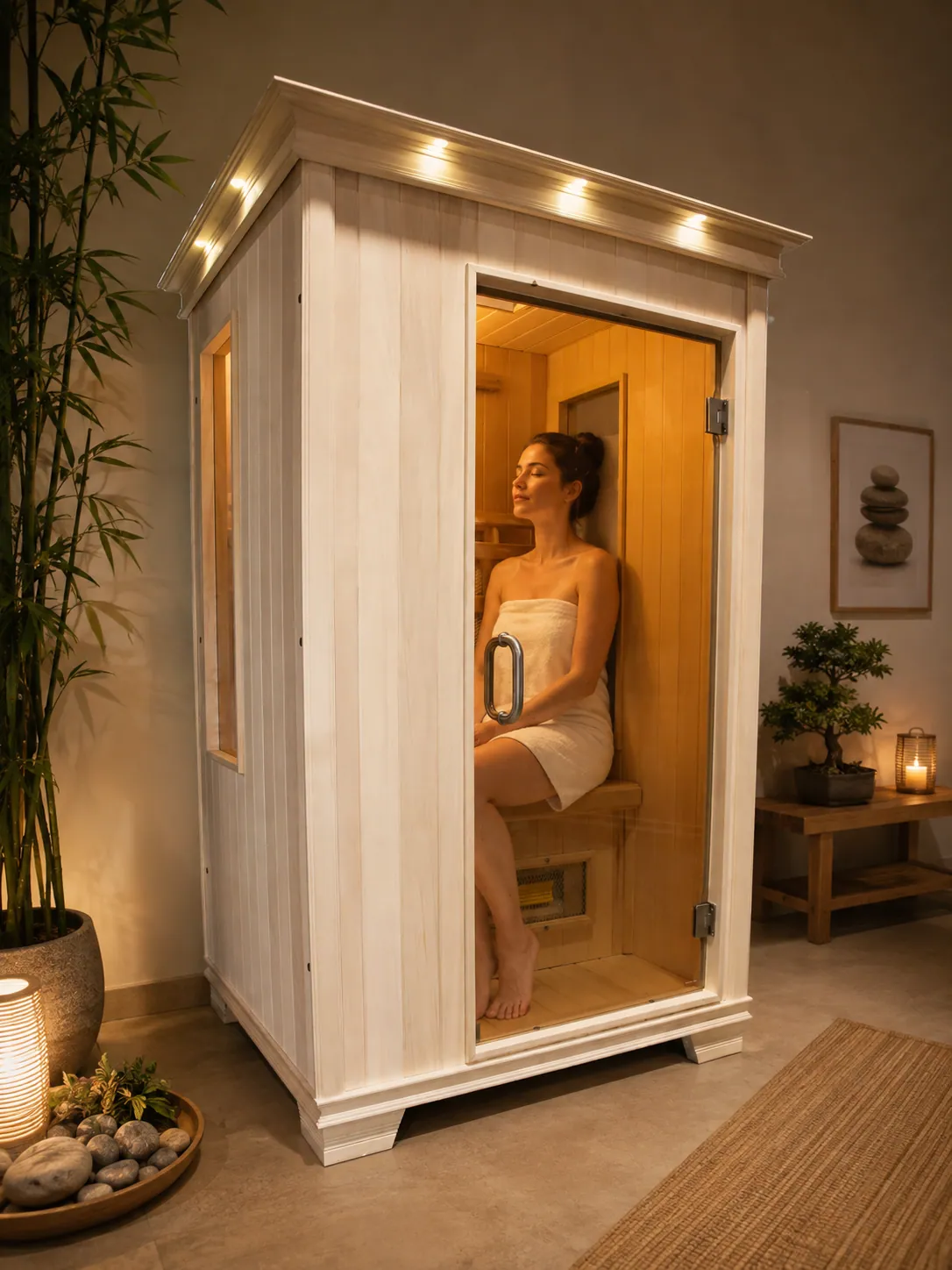
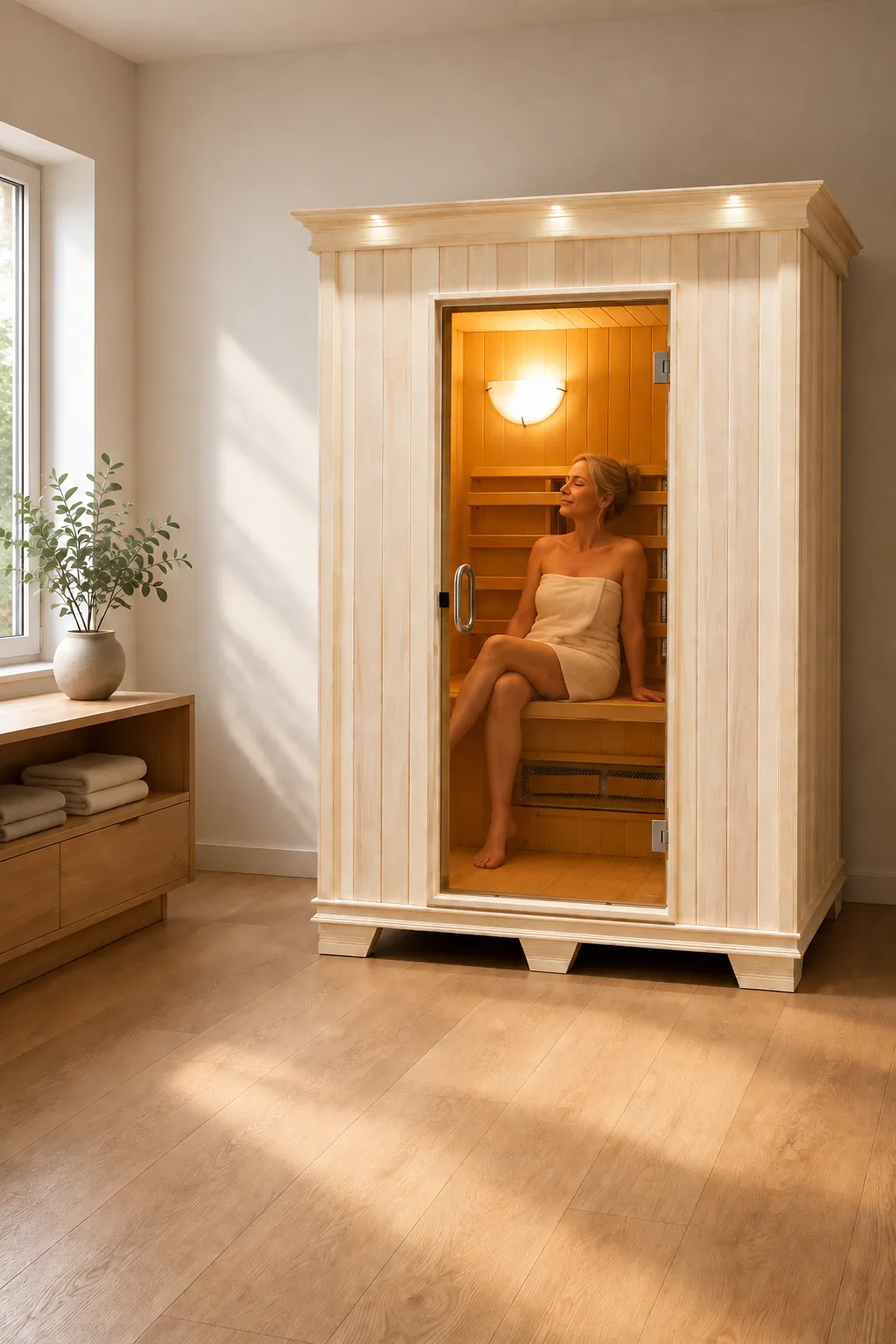
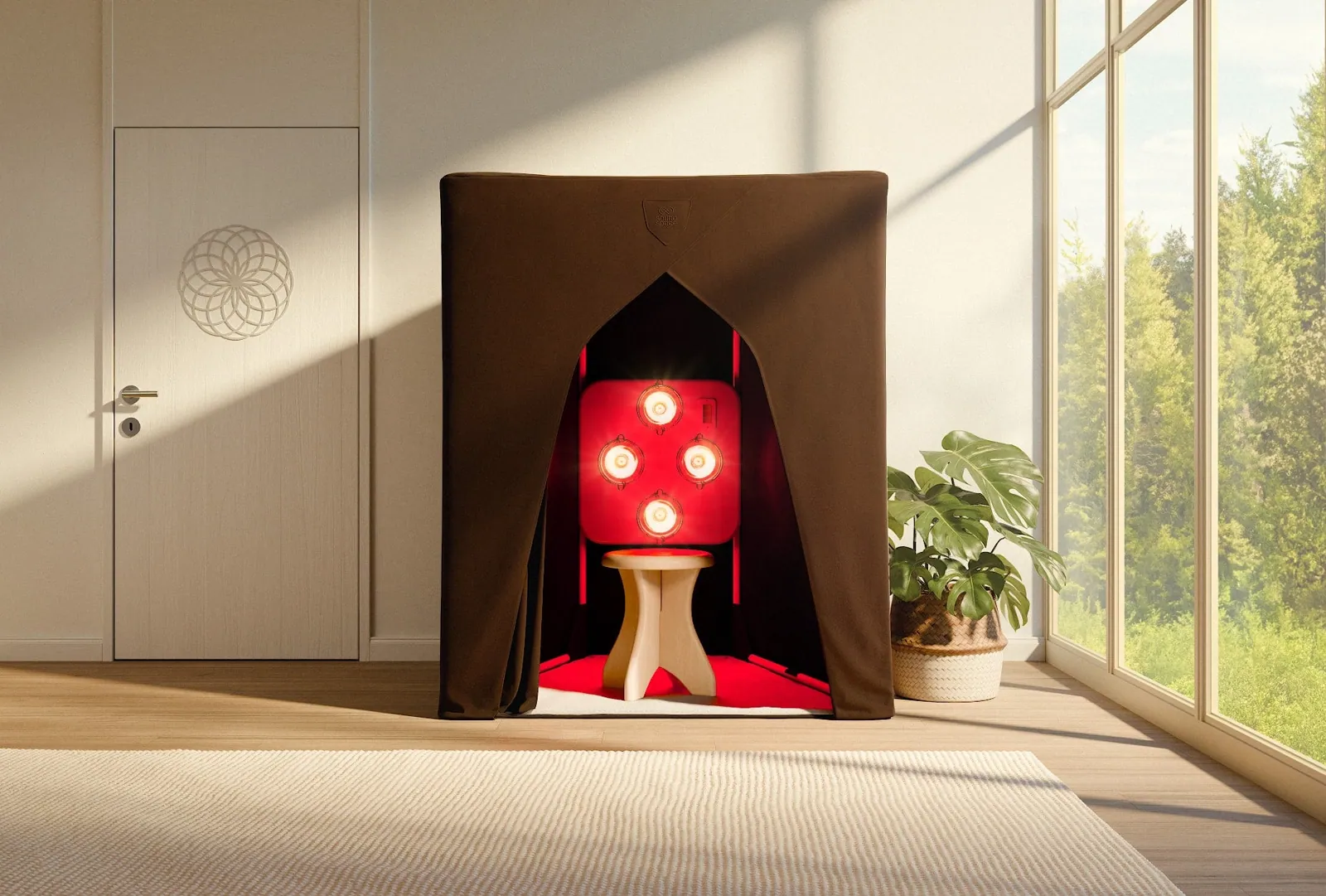
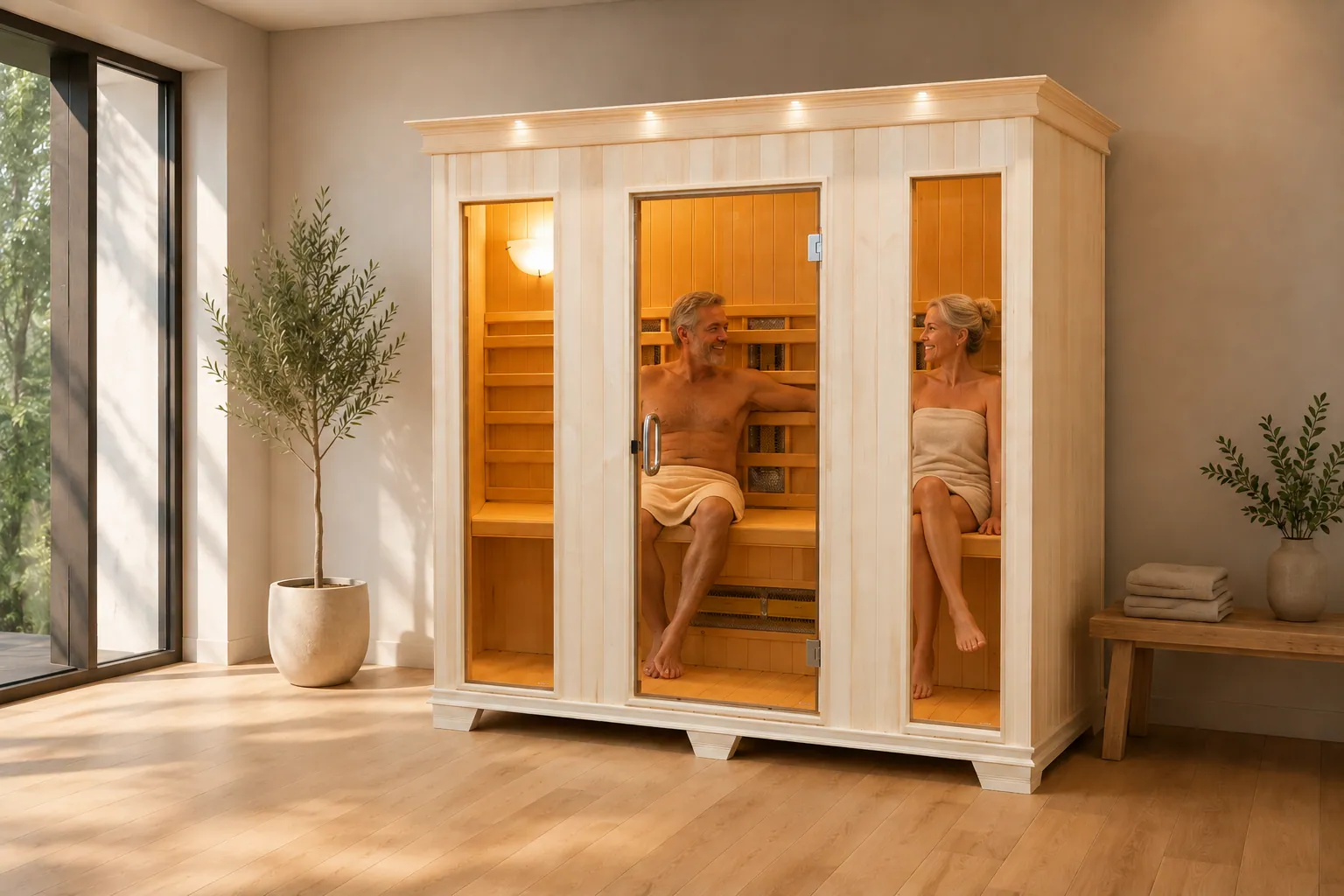
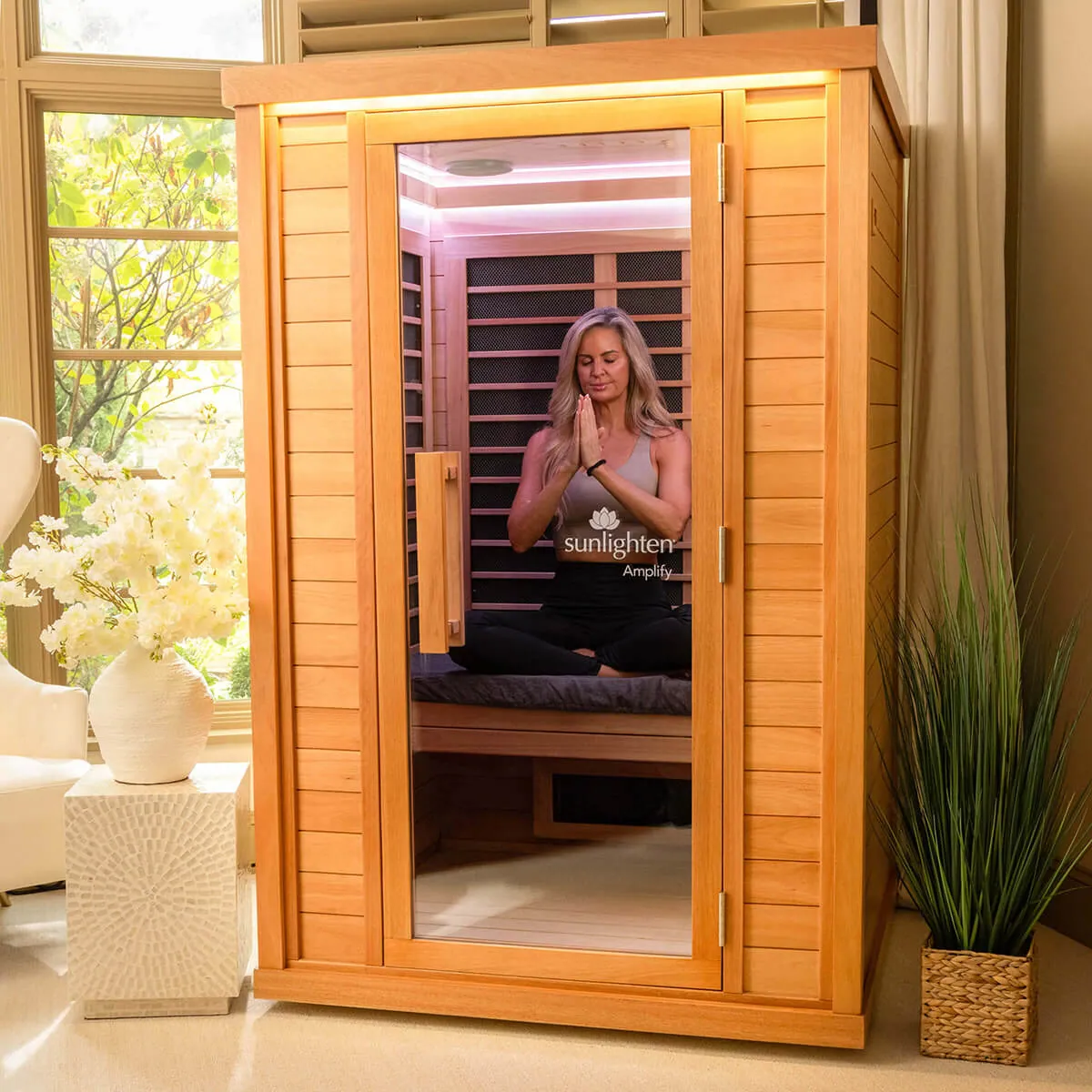
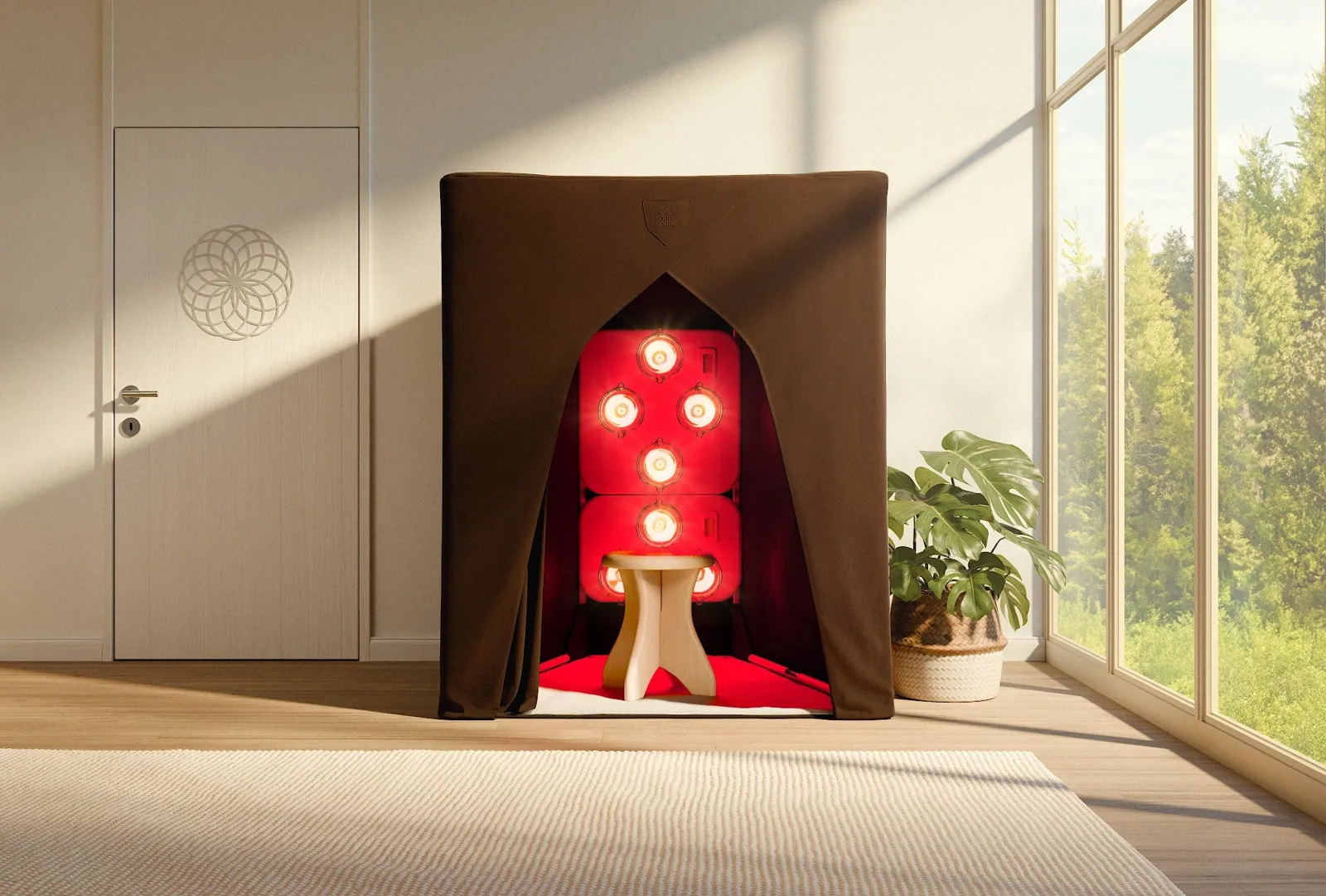
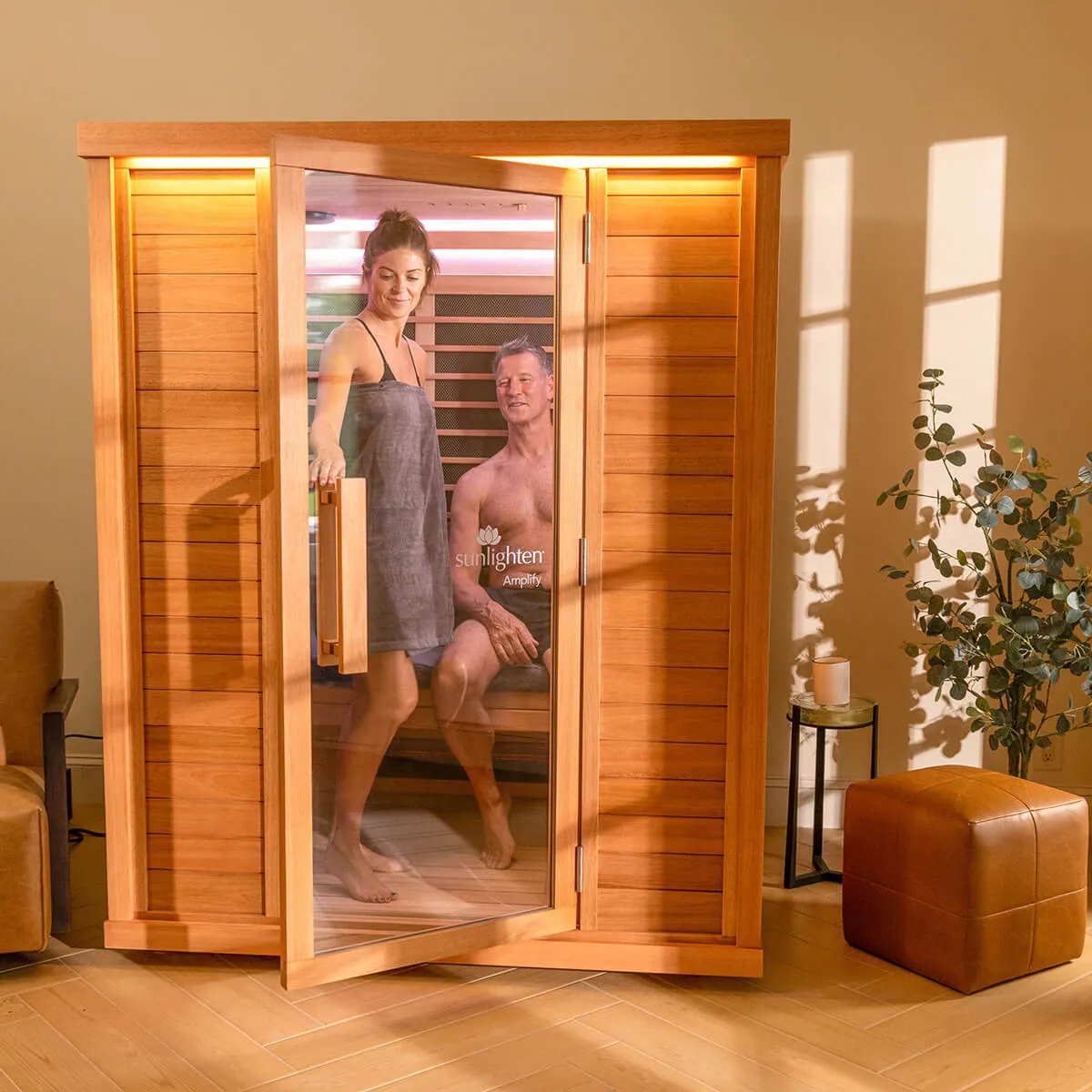
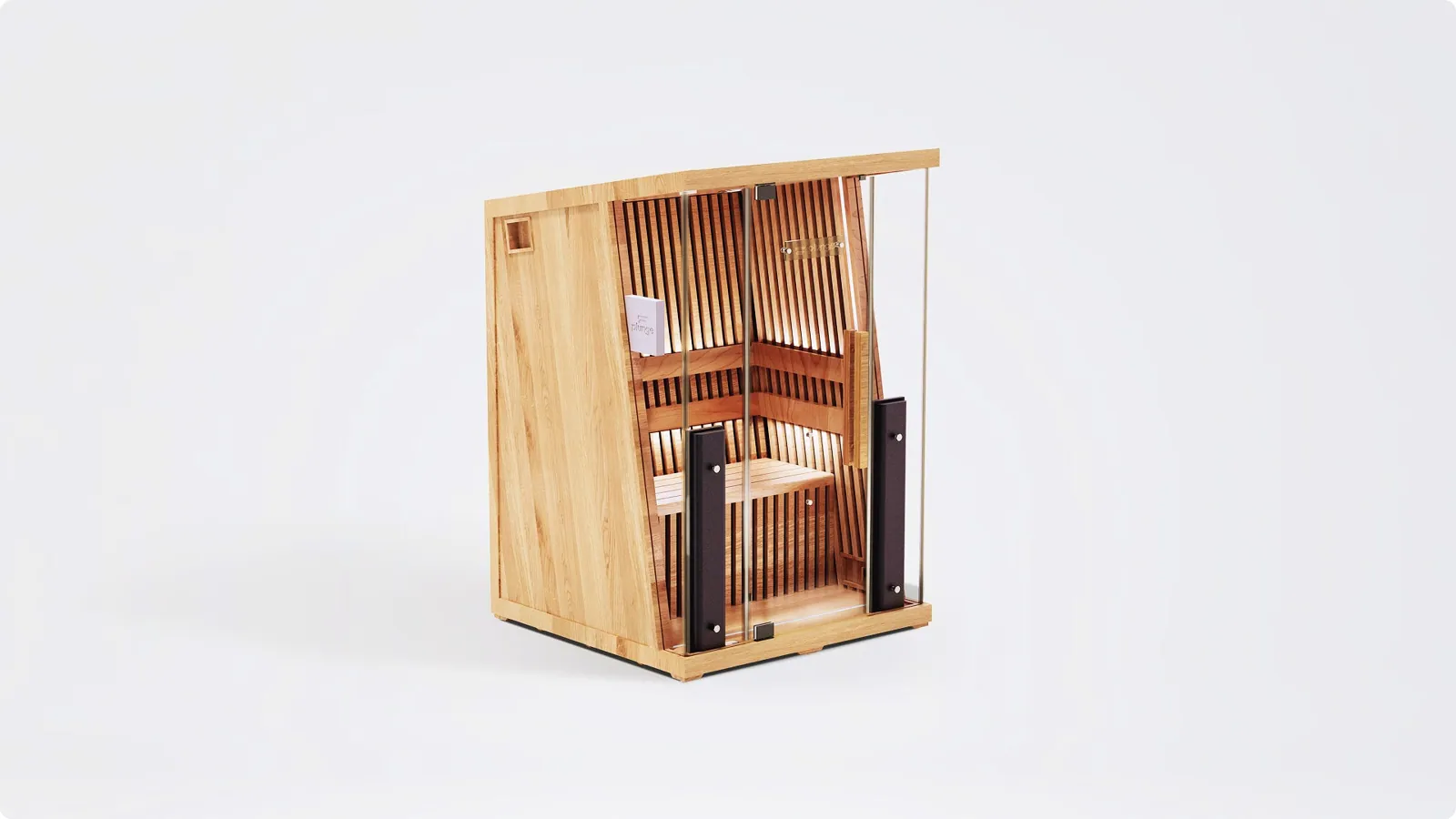
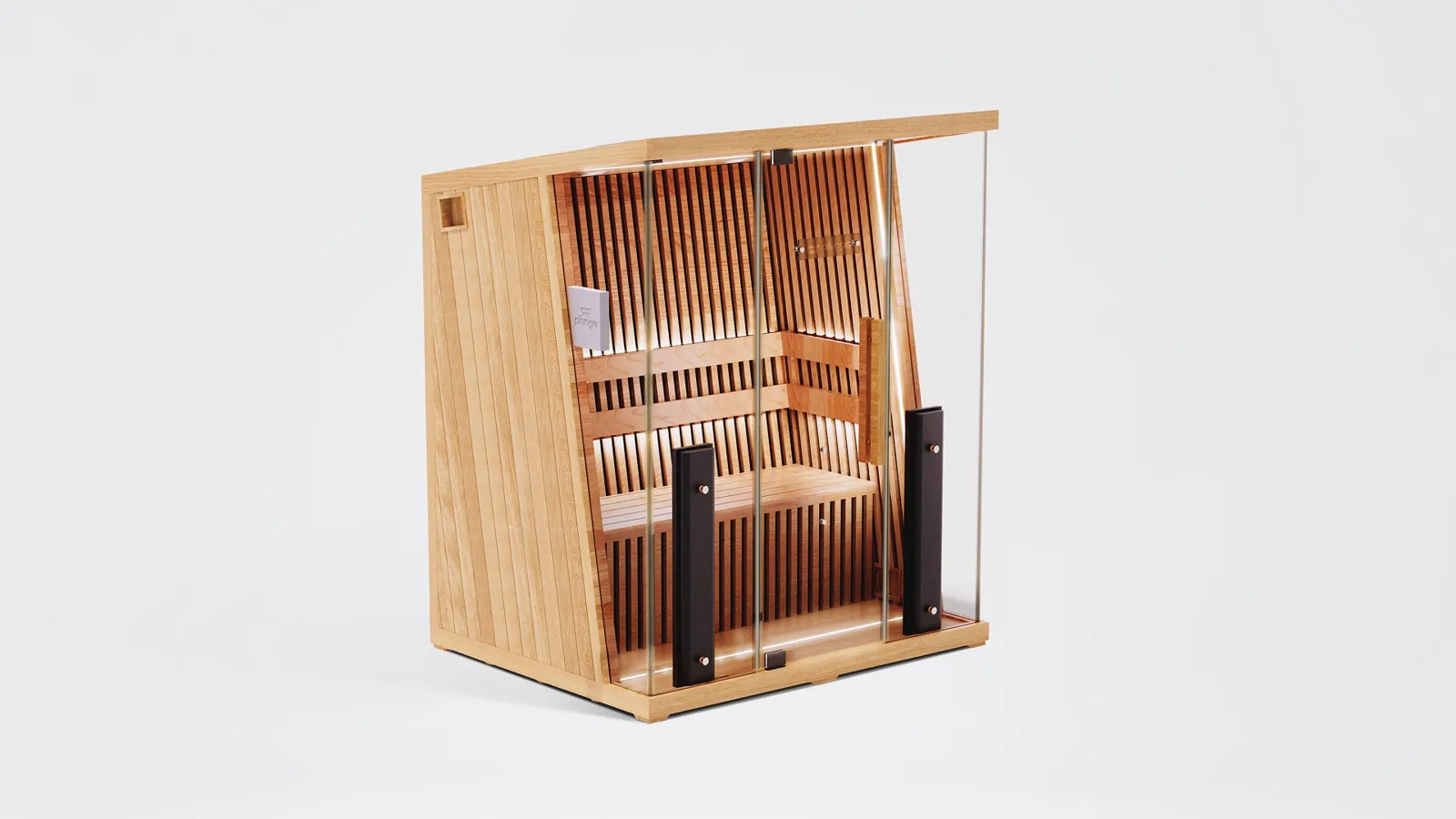
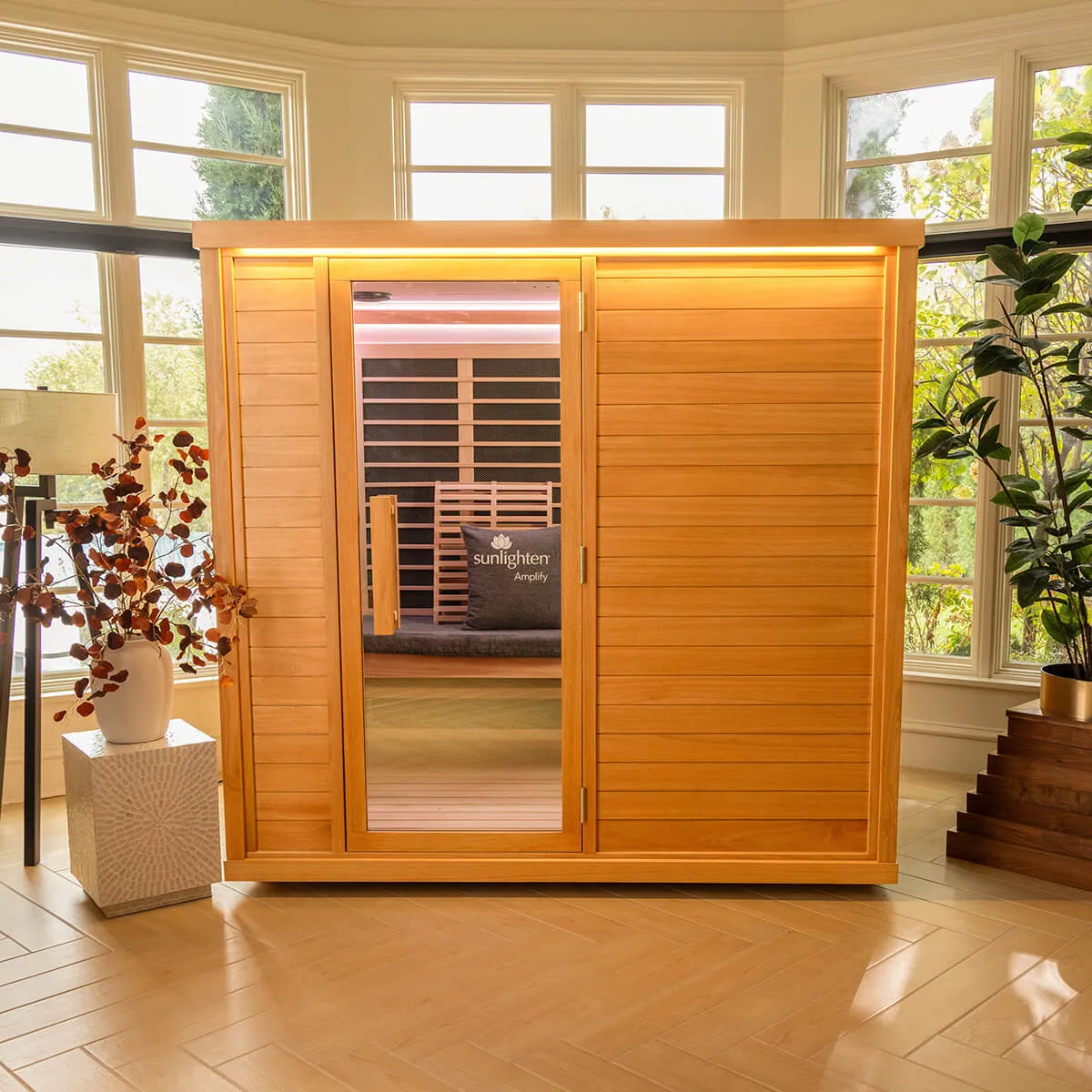
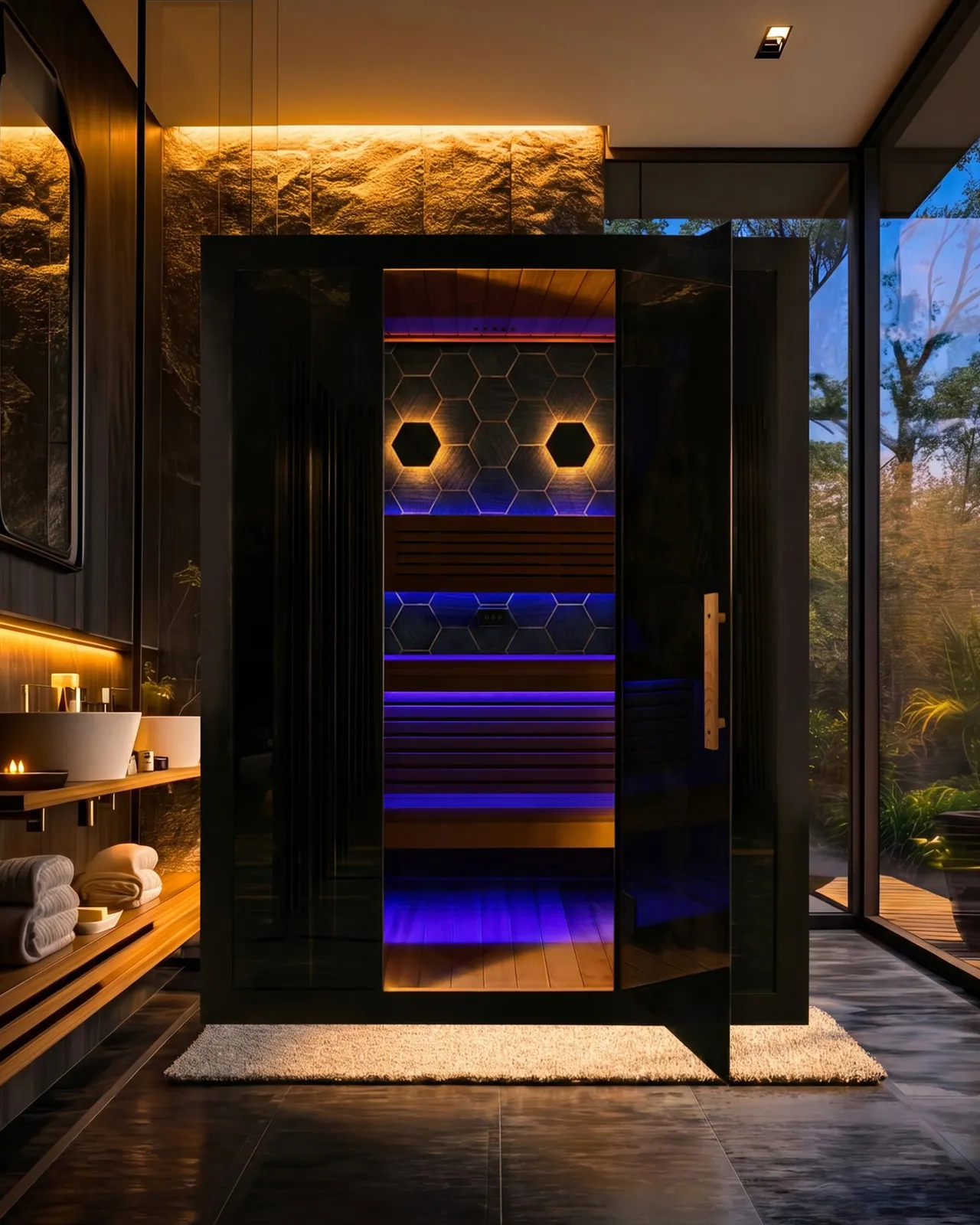
Infrared saunas warm the body with emitters instead of heating the air to a high temperature. Most run between about 120 and 150 degrees Fahrenheit, many plug into a standard or dedicated 120 volt outlet, and they are the lowest cost way into a sauna habit. You will not get steam from water on stones, which is the defining experience of a Finnish sauna for many people.
Read more: Barrel sauna vs cabin sauna · Best indoor saunas · Infrared vs traditional sauna
Heater size: match kilowatts to the room, not the price
Traditional electric heaters are rated in kilowatts, and each heater maker publishes a minimum and maximum room volume for every model. A heater that is too small for the room never reaches a proper bathing temperature, and one that is too large cycles on and off and can overheat the benches. Work out the room volume in cubic feet (length times width times height for a cabin, and the maker's stated volume for a barrel), then add volume for each square foot of glass, because glass loses heat much faster than wood.
As a rough guide, small two person rooms usually land in the 4.5 to 6 kW range, four to six person rooms in the 6 to 9 kW range, and large cabins above that. The makers we list state the heater size for every option, and you will see those numbers in the specs on each product page.
Read more: Sauna heater size by cubic feet
Power: 240 volt circuits, breakers and who can wire them
Almost every traditional electric sauna heater above about 3 kW needs a dedicated 240 volt circuit, hardwired rather than plugged in. An 8 kW heater typically needs a 40 amp breaker, and a 9 kW heater may need 45 or 50 amps depending on the model. Many outdoor saunas also have a separate 120 volt lighting circuit. Before you order, open your main panel and check that there is room for a double pole breaker and that your service can carry the added load, especially if you already run an electric range, dryer, EV charger or hot tub.
Some states and cities let a homeowner pull their own electrical permit for work on their primary residence, and many do not. Our guides cover the rules city by city, but a licensed electrician should confirm the wire size and breaker for the exact heater you choose.
Wood burning heaters skip the electrical work entirely. They need a chimney with the clearances the stove maker lists, a non combustible floor shield, and a supply of dry hardwood. Several of the barrels on this page are offered with a wood stove option at a different price, which you will see in the option list on the product page.
Read more: Sauna heater breaker and wire size · 208V vs 240V heaters · Homeowner electrical permits by state
Wood species and what they mean for you
Western red cedar is the classic sauna wood. It is light, it resists rot, it stays cooler to the touch than denser woods, and it smells the way most people expect a sauna to smell. Thermally modified spruce, pine or aspen is wood that has been baked at high temperature to drive out resins and stabilize it, which makes it darker, very stable and a good choice for outdoor walls. Spruce and hemlock are lower cost, lighter in color and common in indoor kits. Aspen and basswood are often used for benches because they are low in aroma and stay cool.
No wood is maintenance free outside. Plan to treat the exterior of an outdoor sauna with a breathable stain or oil, keep gutters and sprinklers off the walls, and re tighten barrel bands as the wood settles during the first season.
Foundation, roof and placement
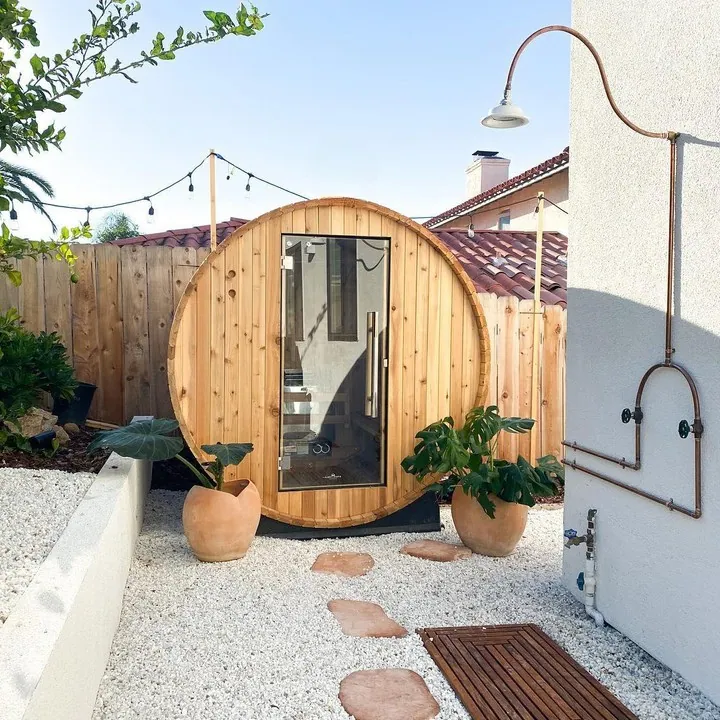
An outdoor sauna needs a flat, level, well drained base. Compacted gravel with pavers, a concrete pad, or a set of timber cradles on concrete footings all work for barrels, and the maker will say which it prefers. Keep the door side away from prevailing wind and rain if you can, and leave clearance around a wood stove chimney. Barrels shed rain, but in wet or snowy climates a roofing kit of shingles, metal or EPDM membrane adds years to the staves.
Many cities exempt small accessory structures under a set floor area, often 120 or 200 square feet, from a building permit, but an electrical permit is a separate question and setbacks from property lines still apply. Check your local rules before you pour a pad.
Read more: Barrel sauna foundations · Barrel sauna roofing · Backyard sauna permits by city
What it really costs
The sticker price is only part of the bill. For an outdoor electric sauna, budget for the base or pad, a licensed electrician to run the circuit from your panel, any permit fees, delivery to the backyard if the maker only delivers to the curb, and a day or two of assembly if you build it yourself. Indoor kits avoid the foundation and roof but still need the circuit and ventilation. Running costs are modest: a 6 to 8 kW heater used for an hour, a few times a week, usually adds a small amount to a monthly electric bill, and you can work out your own number from your utility rate and the heater's kilowatt rating.
Read more: Outdoor sauna install cost · Sauna cost to run
How we choose which saunas to list
We list saunas from makers who publish real specifications: dimensions, heater size, electrical requirements and wood species. We read each product page on the maker's site, record what it says, and date the check so you can see how fresh the information is. We show a Made in USA mark only on individual products where the maker has stated the claim in writing, never for a whole brand, and we never write or copy reviews. Where a maker has a qualified claim, such as built in the USA from imported parts, we quote it in the maker's words.
Read more: Our standards · How we handle Made in USA
Frequently asked questions
What size sauna do I need?
Count the people who will use it at the same time, then add one seat. Two person saunas suit couples and solo bathers who want to lie down, four to six person barrels suit most families, and cabins with long upper benches suit groups. Check the interior bench length on the product page if anyone wants to lie flat.
Can I plug a sauna into a regular outlet?
Most infrared saunas and a few small traditional heaters run on 120 volts. Nearly every traditional heater above about 3 kW needs a dedicated, hardwired 240 volt circuit. The power requirement for each model is listed on its product page.
Do I need a permit for a backyard sauna?
It depends on your city. Many places exempt small accessory buildings under a set size from a building permit, but almost all require an electrical permit for a new 240 volt circuit, and setback rules still apply. Our permit guides cover many US cities.
Is a barrel or a cabin sauna better?
A barrel heats a little faster and costs less per seat. A cabin gives you full standing height, straight walls and room for more people or a changing room. For tall users or groups larger than four, a cabin is usually the better fit.
How long does a sauna take to heat up?
A correctly sized electric heater usually brings a barrel or small cabin to bathing temperature in roughly 30 to 60 minutes, depending on outside temperature, glass area and insulation. Infrared rooms are usable sooner because they warm the body directly.
Who ships the sauna and who handles the warranty?
The maker. Every sauna on this page ships from the company that builds it and carries that company's own warranty. Shipping and return terms are set by each maker and noted on each product page.